 Add Row
  Add
Add 


Did you know? Over the past 50 years, Michigan has lost nearly 60% of some native bird species, a startling sign of how critical urban conservation work has become. In the heart of Detroit, dedicated wildlife conservation centers are reversing this trend—one rescued animal, restored wetland, and inspired volunteer at a time. From the iconic Detroit Zoo to oasis-like nature centers, the city is full of places where people and nature connect for a brighter urban future. If you've ever wondered how you can help protect the wild side of Detroit or make a real difference in your community, this article will show you exactly how.
Turning the Tide: How Wildlife Conservation Centers in Detroit Are Shaping the City’s Biodiversity
Wildlife conservation centers in Detroit are not just sanctuaries; they are beacons of hope and restoration for city wildlife and its people. Detroit’s conservation hubs harness a proactive approach—offering pioneering programs to rescue, rehabilitate, and reintroduce species native to southeast Michigan. These efforts help maintain biodiversity, restore fragile habitats, and teach city residents to value the wild animals that share their urban home. Practical examples abound: from the Detroit Zoo’s award-winning animal rescue operations to the Belle Isle Nature Center’s immersive children’s programs and the transformation of once-neglected urban spaces into thriving green corridors. Each of these organizations demonstrates how collaboration between scientists, educators, and everyday Detroiters is creating ripple effects of positive change for both people and animals. This vital work ensures that future generations will experience Detroit as a city alive with birdsong, pollinators, and flourishing habitats. By supporting or visiting a conservation center, you become part of a movement that not only protects wildlife but also strengthens neighborhoods—the true meaning of community stewardship.
Detroit Zoo: A Hub for Conservation Work and Education in the Heart of the City
The Detroit Zoo is more than a cherished attraction—it's a driving force behind conservation work and environmental education in Detroit. With a commitment to saving endangered species and supporting animal rescue operations, the zoo operates as a dynamic learning environment for families and visitors. Initiatives like the Polk Penguin Conservation Center and specialized habitats for native Michigan species ensure that every animal, from majestic birds to elusive amphibians, receives expert care. The Detroit Zoo also plays a pivotal role in local and global research collaborations, underscoring its status as a renowned conservation center in the Midwest.
- Programs for endangered species: captive breeding, monitoring, and reintroduction into secure wild habitats
- Animal rescue and rehabilitation: providing safe shelter and medical care for wild animals in distress
- Public education: onsite classes, wildlife talks, and immersive exhibits to foster a culture of stewardship
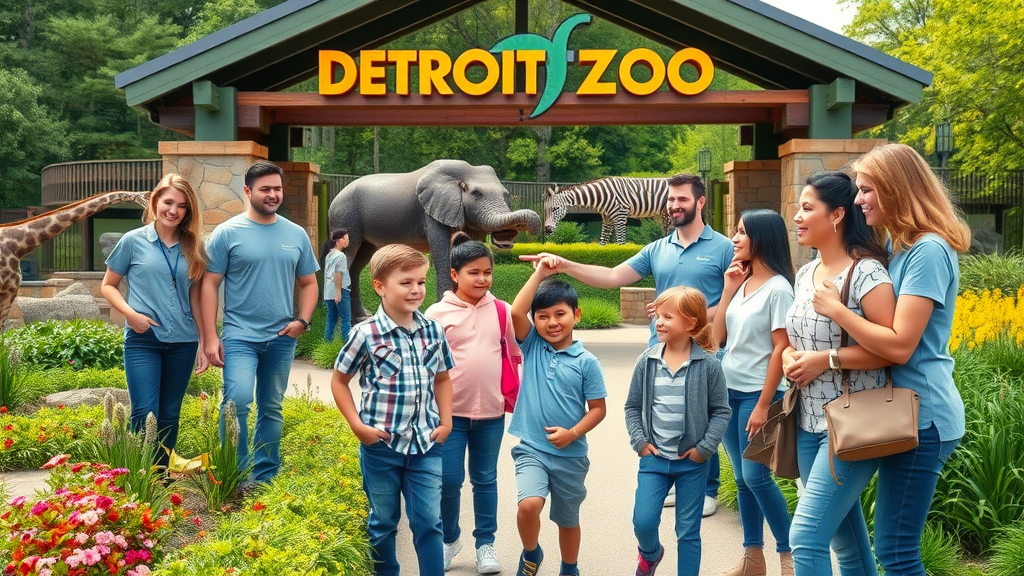
"Through tireless conservation work, the Detroit Zoo is creating meaningful connections between people and wildlife." – Dr. Ron Kagan, former Detroit Zoological Society CEO
Nature Centers: Fostering Positive Change Through Environmental Stewardship
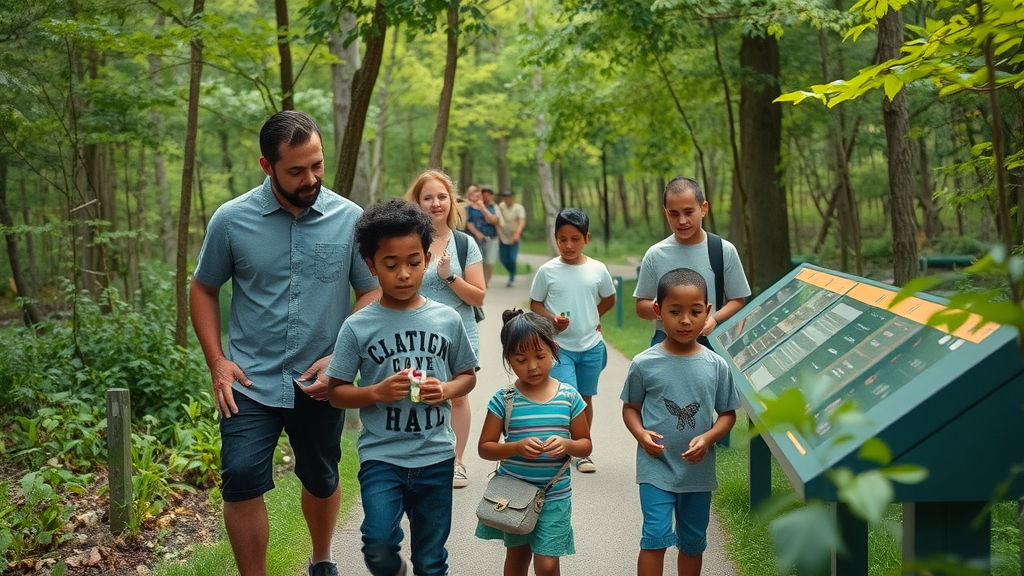
Detroit’s nature centers are vital outposts for fostering positive change within the community. These green sanctuaries offer interactive exhibits, accessible wildlife trails, and robust outreach programs that attract thousands of city residents every year. The Belle Isle Nature Center and other local gems create spaces where young and old can reconnect with wild animals and nature, igniting curiosity and empathy for the natural world. With hands-on activities like guided birdwatching, pond-dipping, and pollinator garden workshops, these centers educate patrons on the role every Detroit resident can play in environmental sustainability.
What sets these nature centers apart is their tireless focus on community engagement . Whether you’re keen on volunteering, participating in habitat restoration, or simply learning about Detroit’s wild side, you’ll find programs for all ages and backgrounds. Together, these centers catalyze change for animals and their habitats by igniting a lifelong love for the environment.
- Interactive exhibits: immersive educational displays featuring native species
- Wildlife trails: well-marked paths designed for birdwatchers, families, and naturalists of every skill level
- Community outreach: classes, workshops, and neighborhood beautification initiatives
Belle Isle: From Iconic Park to Belle Isle Nature Center—A Detroit Refuge for Urban Wildlife
Few places balance city life and wild beauty quite like Belle Isle . This storied island park has evolved into one of Detroit’s premier conservation hubs, thanks largely to the innovative programs at the Belle Isle Nature Center . Beyond being an urban refuge for native species, Belle Isle boasts hands-on learning opportunities for families, animal rescue efforts, and exciting workshops geared toward all ages.
Visitors can explore educational exhibits dedicated to local pollinators, wetland restoration, and species that call Belle Isle home. The Nature Center partners with schools and community groups to nurture young naturalists, offering a safe and welcoming gateway to environmental education right in Detroit’s backyard.
- Wildlife education: school tours, family discovery programs, and interpretive stations on local ecology
- Animal care: specialized rehabilitation for urban wildlife and monitoring of animals who call the isle home
- Family-friendly fun: seasonal events, nature hikes, and creative drop-in workshops
Detroit River Wildlife Refuge and National Wildlife Refuge: Protecting Critical Habitats
The Detroit River and adjacent National Wildlife Refuge are living laboratories for observing the impact of urban renewal on nature. These wildlife refuges have been at the forefront of restoration projects, helping to reestablish dwindling habitats and providing safe havens for countless species—including rare birds, amphibians, and migratory pollinators.
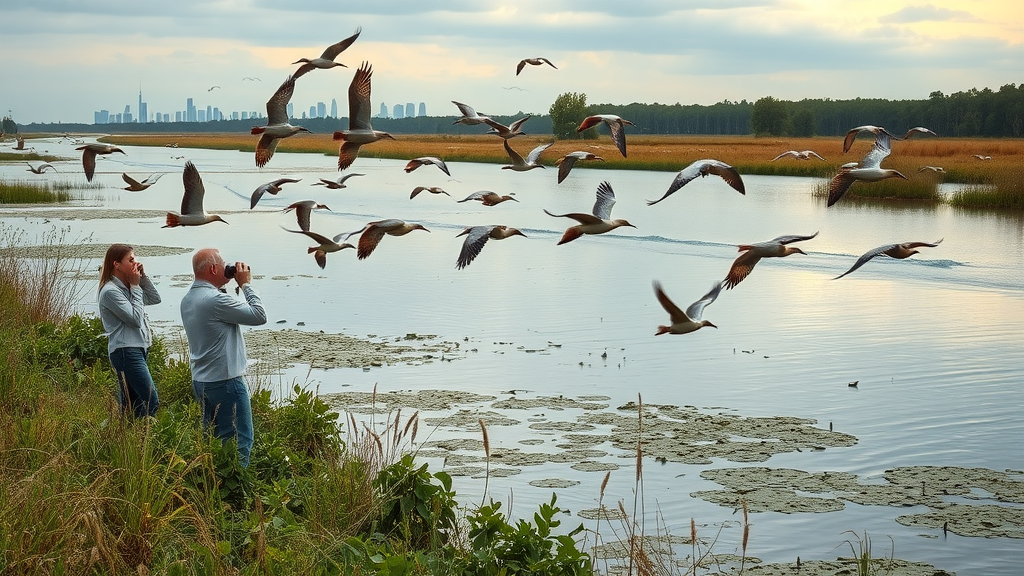
Visitors and citizen scientists alike flock to these areas for guided walks, research projects, and support of long-term conservation work. Birdwatching hotspots dot the landscape, providing unique opportunities to witness the return of key species and the results of shared stewardship. Ongoing projects include wetland rehabilitation, pollution mitigation, and education on the region’s fragile ecosystem.
- Habitat restoration: large-scale planting, shoreline cleanup, and native plant recovery
- Birdwatching hotspots: observation decks, interpretive signage, and rare species sightings
- Research: collaborative studies with universities and conservationists
Meaningful Connections Between People and Wildlife: The Essential Role of Detroit’s Conservation Leaders
How Wildlife Conservation Centers in Detroit Inspire Action and Empower Volunteers
Wildlife conservation centers in Detroit thrive because of dedicated volunteers, passionate interns, and a community eager to ignite positive change. These centers have established robust citizen science initiatives and internship opportunities for everyone from students to retirees, offering flexible ways to take part in local conservation. Whether tracking songbird migration, caring for wild animals, or guiding guests at the Detroit Zoo , volunteer involvement has a tangible impact on Detroit’s urban ecosystem.
Opportunities and flexible scheduling make it easy for anyone to get involved. Outreach projects, large-scale cleanups, and educational events offer platforms for residents to connect with like-minded people and contribute directly to conservation work. Each hour given strengthens the city’s connection to nature and empowers a new generation of urban stewards.
- Volunteer programs: animal care, education, habitat restoration
- Internships: research, animal husbandry, outreach programs
- Citizen science: monitoring local wildlife, data collection, reporting on environmental trends
"The best way for people to connect with wildlife is to get involved—Detroit’s conservation centers offer countless ways for everyone to make a difference."
Connections Between People, Nature, and Urban Spaces: Building Community Through Conservation
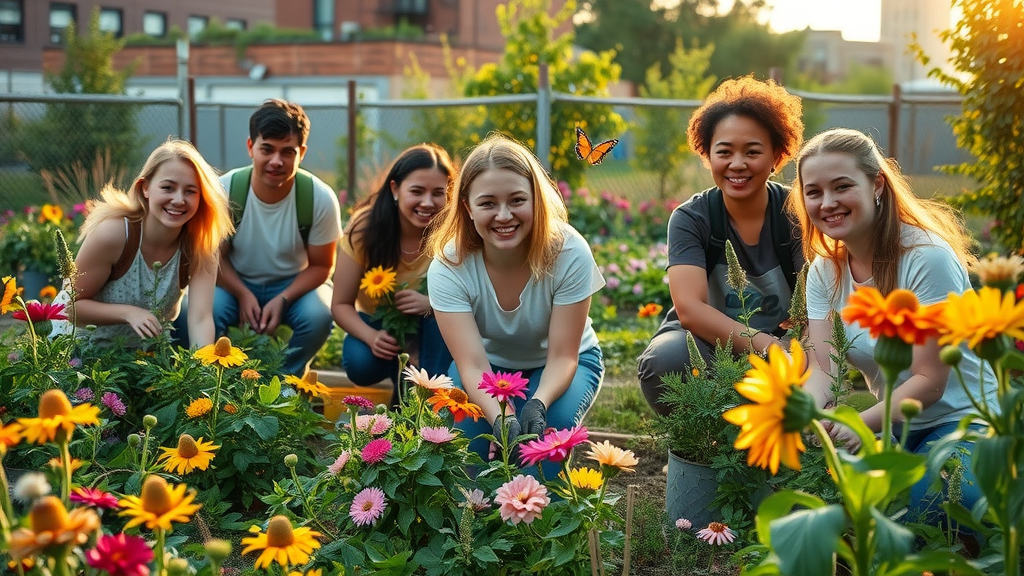
Building meaningful connections between people and their environment is a cornerstone of Detroit’s conservation ethos. Projects like community gardening , habitat restoration, and youth engagement programs transform vacant lots into vibrant ecosystems, beautifying neighborhoods and increasing biodiversity. By involving residents in hands-on projects, conservation centers empower communities to take ownership of their green spaces, fostering a sense of pride and connectedness across Detroit.
Youth engagement is especially important for long-term city health. Local organizations provide leadership training, summer camps, and mentorships for the next wave of conservationists. Activities often focus on teamwork, responsibility, and the value of supporting animals and nature, ensuring that conservation becomes embedded in Detroit’s cultural fabric.
- Community gardening days: planting native species, removing invasive plants, and learning horticulture
- Habitat restoration: rebuilding wetlands, woodlands, and pollinator corridors
- Youth leadership: eco-clubs, service learning, and green career exploration
Spotlight: Conservation Work and Success Stories in Detroit’s Isle Nature Center and Belle Isle Nature Center
Conservation Work Driven by Science: Tracking Endangered Species at the Isle Nature Center
Scientific leadership is the driving force behind the conservation work at Isle Nature Center and the Belle Isle Nature Center . Using advanced monitoring and innovative restoration techniques, local teams track and aid the recovery of endangered species—from butterflies to amphibians. Collaborative efforts involve meticulous data collection, habitat improvement, and public reports on population trends, making these centers a model for urban wildlife conservation in North America. By targeting endangered species and restoring essential habitats, the centers not only ignite positive change for animals but also elevate Detroit's profile as a city committed to global biodiversity.
| Endangered Species | Status | Population Trends | Habitat Restoration Actions |
|---|---|---|---|
| Eastern Massasauga Rattlesnake | Threatened | Stable🡑 with habitat intervention | Wetland enhancement, controlled burns |
| Karner Blue Butterfly | Endangered | Increasing slowly | Native plantings, controlled access areas |
| Lake Sturgeon | Vulnerable | Steady due to reintroduction efforts | Spawning reef construction, migration monitoring |
| Blanding’s Turtle | Special Concern | Bouncing back in managed habitats | Pond management, nest protection |
Critical Facts: Why Wildlife Conservation Centers in Detroit Matter Now More Than Ever
- Over 40% of southeast Michigan’s wildlife habitats have been impacted by urban development, but nature center restoration has reclaimed hundreds of acres.
- Local pollinator populations in areas supported by conservation centers have doubled in the past decade.
- Climate-driven shifts in migration patterns are being monitored thanks to robust citizen science at the Detroit River and National Wildlife Refuge.
- Detroit Zoo’s conservation programs have directly aided the rehabilitation and release of more than 500 wild animals in 2023 alone.
Explore, Join, and Support: How You Can Help Detroit’s Wildlife Conservation Centers
- Visit and explore: Plan a trip to the Detroit Zoo , Belle Isle Nature Center , or a city wildlife refuge for an immersive, educational family experience.
- Donate: Financial support fuels conservation milestones—from species reintroduction to new programming for Detroit’s youth.
- Volunteer: Lend a hand in habitat restoration, animal care, or guiding visitors—flexible opportunities await all skill levels.
- Advocate: Spread the word about conservation work and encourage friends, neighbors, and local decision-makers to join the movement.
Call the Zoo: Connect Directly with the Detroit Zoo to Support Their Mission
The easiest way to make an immediate impact is to call the zoo or visit online—learn about current needs, upcoming events, and targeted campaigns for new species or specialized habitats. Direct donor support makes all the difference in ensuring the Detroit Zoo remains a leader in animal welfare and environmental stewardship.
Detroit Zoo FAQ: Everything You Want to Know About Protectors of Local Wildlife
What do they do with the animals at the Detroit Zoo during winter?
During Detroit’s harsh winters, the Detroit Zoo provides specialized winter housing and uses state-of-the-art climate control systems to keep animals comfortable and healthy. Many habitats are insulated, and certain species are moved to indoor enclosures that mimic their natural environments. Animal care teams carefully monitor each animal’s needs, ensuring warmth, safety, and year-round enrichment for both cold-hardy and more sensitive species. This approach helps protect the diverse range of wild animals who call the zoo home throughout the seasons.
Is the penguin House open at the Detroit Zoo?
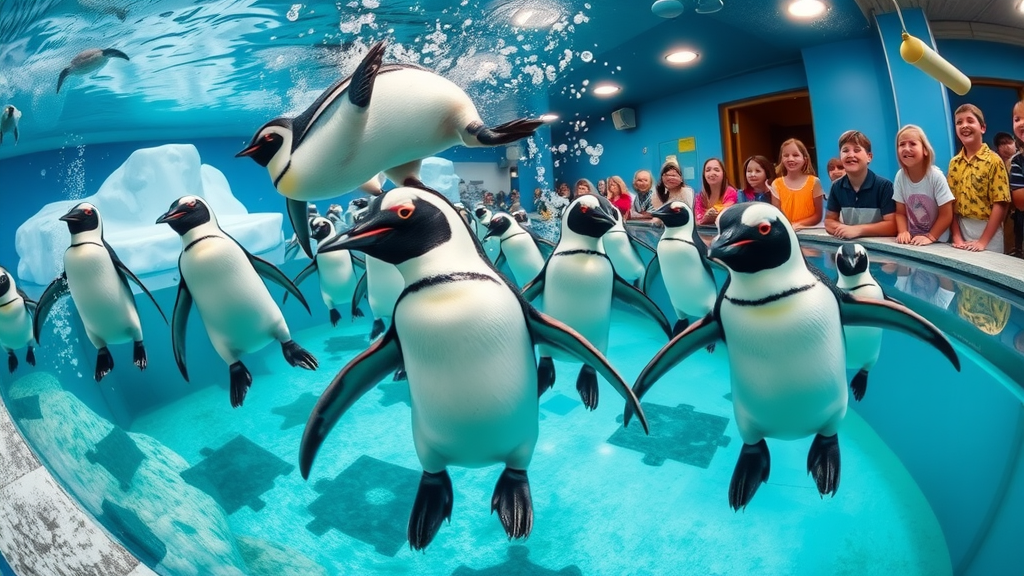
The renowned Polk Penguin Conservation Center has reopened after an innovative renovation, once again delighting guests with its shimmering underwater tunnels and closely simulated Antarctic conditions. The exhibit is open during regular hours; visitors can watch lively penguins swim, dive, and interact in an environment designed to maximize their health and encourage natural behaviors. The immersive guest experience includes educational displays and opportunities to learn more about penguin conservation efforts at the zoo.
Is the Detroit Zoo a conservation Zoo?
Absolutely. The Detroit Zoo stands as a leader in both local and global conservation initiatives, going beyond traditional exhibits to focus on real-world impacts. The zoo is actively involved in species preservation, wildlife rescue, green infrastructure, and education programs designed to inspire positive change for animals and communities alike. Its status as a conservation zoo is reflected in research-driven animal care, sustainability initiatives, and partnerships that protect endangered wild animals across the state and beyond.
What new animal is coming to the Detroit Zoo?
The Detroit Zoo frequently welcomes new arrivals as part of its commitment to biodiversity and educational enrichment. Recent updates include the anticipated introduction of rare amphibian species into recreated wetland habitats and continued expansion of the zoo's bird sanctuary. As conservation priorities evolve, the zoo strives to bring in species that highlight important ecological themes, broadening the city’s connection to global wildlife.
Frequently Asked Questions About Wildlife Conservation Centers in Detroit
How many nature centers are in Detroit?
Detroit is home to several outstanding nature centers , including the Belle Isle Nature Center, the DNR Outdoor Adventure Center, and many community-based parks offering environmental education programs. Each center specializes in ecology, urban wildlife, and hands-on learning experiences for all ages.
What programs focus on youth and education at wildlife conservation centers in Detroit?
Programs include school partnerships, spring and summer discovery camps, STEM-based workshops, and volunteer-led ecology clubs. These opportunities empower Detroit’s youth to become environmental stewards and cultivate a lifelong respect for wild animals and nature.
What is the best way to support local wildlife centers in Detroit?
The most impactful support comes from donating, volunteering your time, and participating in community events or advocacy campaigns. Spreading awareness and encouraging friends and family to get involved strengthens the network of support for each conservation center.
Inspiring Change: Detroit’s Wildlife Conservation Centers as Models for Urban Environmental Action
"Wildlife conservation centers in Detroit are laying the foundation for a brighter, more sustainable urban future for both people and animals."
Stay Informed and Make a Difference With Wildlife Conservation Centers in Detroit
- Stay on top of the latest news and events in Detroit— Click Here to Join Detroit Daily Buzz
Video Spotlight: Experience Wildlife Conservation Centers in Detroit Up Close
Conclusion: Step up, get involved, and help Detroit’s wildlife conservation centers flourish—your support makes every difference for animals, habitats, and your own community.
Detroit is home to several wildlife conservation centers dedicated to preserving native species and educating the public. Here are some notable organizations:
Detroit Zoo
The Detroit Zoo is a leader in wildlife conservation, offering programs such as the Wildlife Rescue exhibition, which features oversized, climbable sculptures and conservation stories to engage visitors in wildlife preservation efforts. ( detroitzoo.net )
Belle Isle Nature Center
Located on Belle Isle Park, the Belle Isle Nature Center provides educational experiences focusing on Michigan’s wildlife. Visitors can explore exhibits featuring native species, observe birds through a dedicated window, and participate in programs emphasizing conservation and environmental stewardship. ( belleislenaturecenter.detroitzoo.org )
Detroit River International Wildlife Refuge
As North America’s only international wildlife refuge, the Detroit River International Wildlife Refuge offers habitats supporting over 300 species of birds. The John D. Dingell Jr. Visitor Center provides educational resources and equipment lending, such as binoculars and fishing poles, to enhance visitor experiences. ( fws.gov )
Nature’s Helping Hands Wildlife Rescue
Founded in 2020, Nature’s Helping Hands Wildlife Rescue is a non-profit organization that rescues, rehabilitates, and treats orphaned and injured native wildlife in the Detroit area. They care for approximately 500 animals annually and offer educational programs featuring ambassador animals. ( natureshelpinghands.org )
Detroit Bird Alliance
The Detroit Bird Alliance focuses on fostering the appreciation and conservation of birds and the environment. They offer events for birders of all ages, provide birding tips, and maintain a Detroit Area Birding Guide to help enthusiasts explore local birding hotspots. ( detroitbirdalliance.org )
These organizations play a crucial role in protecting Detroit’s wildlife and offer various opportunities for public involvement and education.


Write A Comment