 Add Row
  Add
Add 


Did you know that more than 40% of amphibian species worldwide are threatened with extinction? Right here in Detroit, this crisis has sparked a unique blend of scientific discovery, community engagement, and conservation action. Amphibian research and education Detroit isn’t just about protecting frogs and salamanders—it’s a window into our region’s ecological heritage and a powerful catalyst for public involvement. In this article, you’ll learn how Detroit Zoo’s conservation leaders, teachers, and young scientists are creating a model that may redefine urban environmental stewardship.

Why Amphibian Research and Education Detroit is Desperately Needed
- An alarming 40% of amphibian species are threatened with extinction on a global scale—a crisis impacting Michigan's fragile ecosystems and Detroit's own wildlife diversity.
- Detroit’s local efforts , exemplified by pioneering programs in amphibian research and education Detroit, serve as both a model and a necessity for urban conservation initiatives alike.
The ongoing decline of amphibian populations is more than just an environmental issue—it's a direct threat to the health of Detroit’s wetlands, parks, and neighborhoods . Species like frogs and salamanders act as natural pest regulators and as vital indicators for environmental health, absorbing toxins and alerting us to changes in ecosystem balance. When these species begin to vanish, it signals a broader problem with water quality and biodiversity that can ripple through the entire region.
Amphibian research and education Detroit addresses this crisis head-on, mobilizing resources to study amphibian population declines, track diseases, and restore natural habitats. Programs that educate local school kids, train citizen scientists, and engage university researchers are critical. These initiatives don’t just protect frogs and toads—they safeguard Detroit’s status as an urban leader in ecological resilience and scientific innovation.
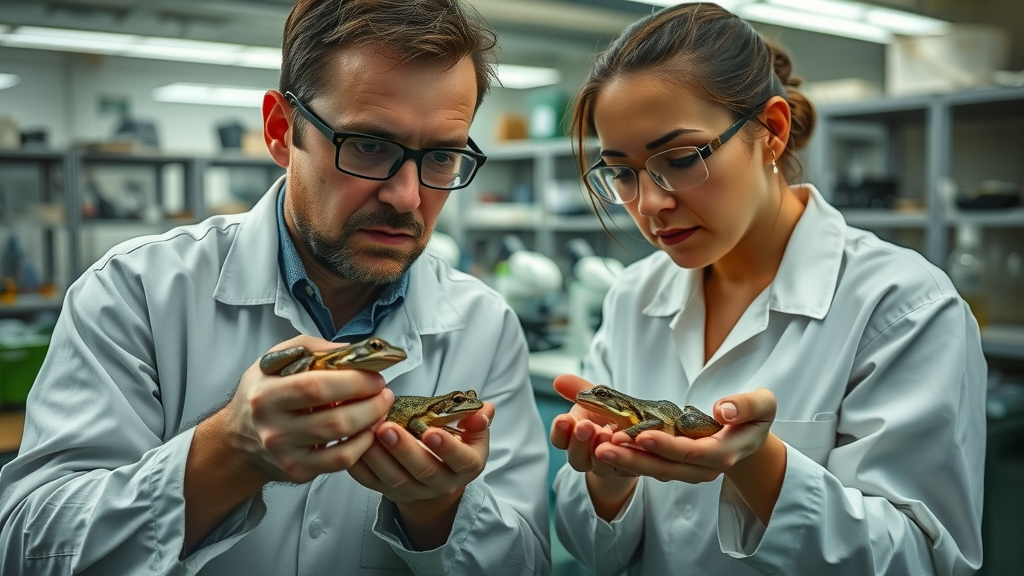
Amphibian Research and Education Detroit: Exploring Foundations for Local Conservation
The Detroit Zoo’s Leadership in Amphibian Conservation
- Home to the acclaimed National Amphibian Conservation Center, the Detroit Zoo is a beacon for amphibian research and education Detroit.
- Extensive breeding and reintroduction programs for species including the golden frog, Panamanian golden frog, and other endangered local species.
The Detroit Zoo stands at the forefront of amphibian conservation with its renowned National Amphibian Conservation Center . This world-class facility is not only a sanctuary for critically endangered species but also serves as an educational gateway for the public. Inside, you’ll find hands-on exhibits where visitors can observe rare frogs and salamanders, learn about their native habitats, and even meet the scientists working tirelessly to protect them. The Detroit Zoo’s breeding and reintroduction programs have helped revive populations of endangered amphibian species, including the charismatic Panamanian golden frog .
The center’s mission goes beyond displaying animals; it’s about actively contributing to the survival of amphibians facing extinction. Through carefully controlled environments and advanced disease prevention, the Detroit Zoo has successfully bred thousands of frogs and released them back into Detroit-area wetlands —a process vital to the recovery of native populations. Every visitor becomes a participant in the recovery story, understanding firsthand the delicate interplay between science and conservation action.
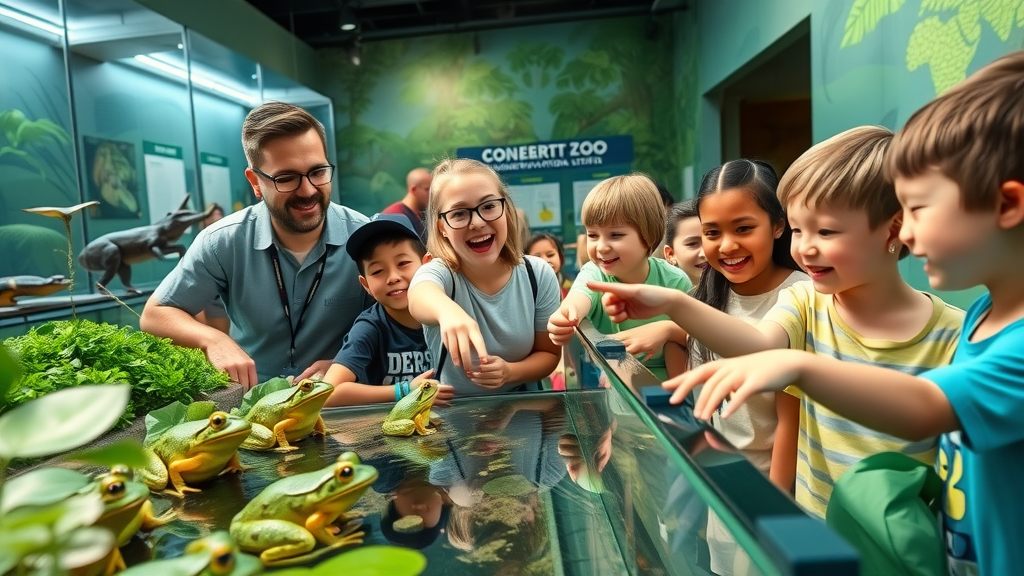
Detroit Zoological Society’s Scientific Initiatives
- The Detroit Zoological Society integrates education with hands-on research as part of amphibian research and education Detroit.
- Partnerships with K-12 schools and universities foster a new generation of conservation scientists.
The Detroit Zoological Society (DZS) believes that education and science must move forward hand in hand. Through dedicated outreach initiatives, DZS staff guide young learners as they collect data, participate in field surveys around Detroit's wetlands, and even design their own research experiments. Collaborations with universities and K-12 schools have sparked a new generation of citizen scientists, empowering students to take part in programs that monitor local frog and toad populations. This hands-on exposure provides students with real science skills and fosters a deep sense of responsibility toward local and global amphibian conservation .
Community engagement is woven into every aspect of DZS’s work. Local teachers receive training on amphibian-related curriculum and technology, while the society hosts workshops and annual “FrogWatch” field events that enlist families and community members to report amphibian sightings. The hope is that every young biologist who gets involved today could become the leader who carries Detroit’s conservation story into the future.
The Amphibian Conservation Center’s Impact: Local and Global Perspectives
National Amphibian Conservation Center: Detroit’s Global Voice
- Pioneering the protection of species such as the Panamanian golden frog and other golden frogs facing rapid population decline.
- A leader in amphibian research and education Detroit with outreach programs influencing zoos nationwide.
The National Amphibian Conservation Center , located within the Detroit Zoo, is recognized widely as one of the world’s premier hubs for amphibian research. Its groundbreaking work has positioned Detroit as an international leader, especially in safeguarding the Panamanian golden frog —an iconic species whose fate mirrors the global plight of amphibians. The Center’s innovative breeding, health assessment, and genetic management projects are a model for conservation centers across the country.
Outreach is key. The Center not only shares its findings through scientific publications but also maintains close partnerships with the Association of Zoos & Aquariums . By sharing resources and best practices, Detroit’s efforts influence national strategies to save critically endangered amphibian species—making the city’s local voice a global call for action.
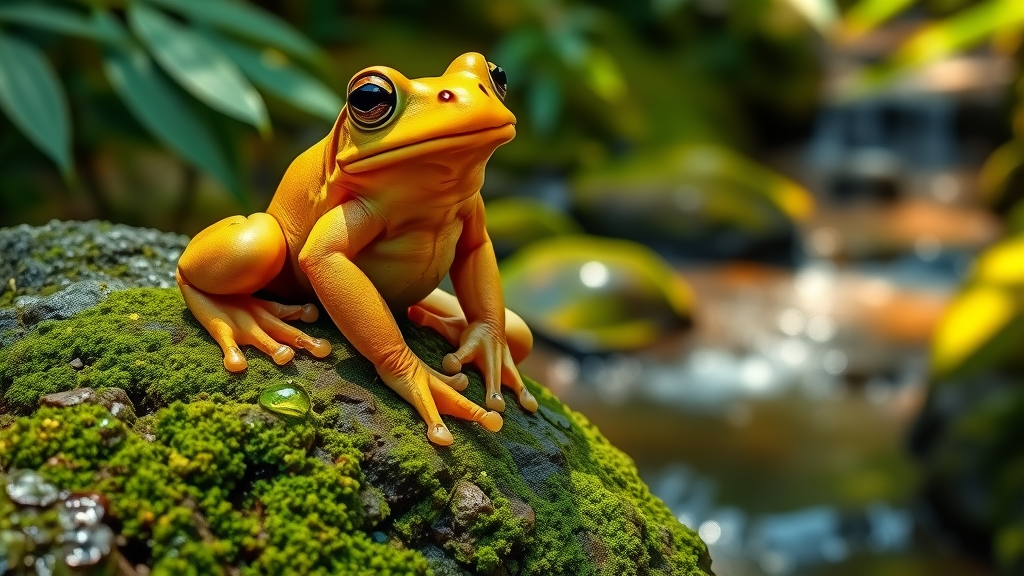
Amphibian Conservation Efforts: From Lab to Wetland
- Conservation breeding, habitat restoration, and the release of frogs into Detroit-area wetlands.
- Collaborative research linking Detroit scientists to international conservation campaigns.
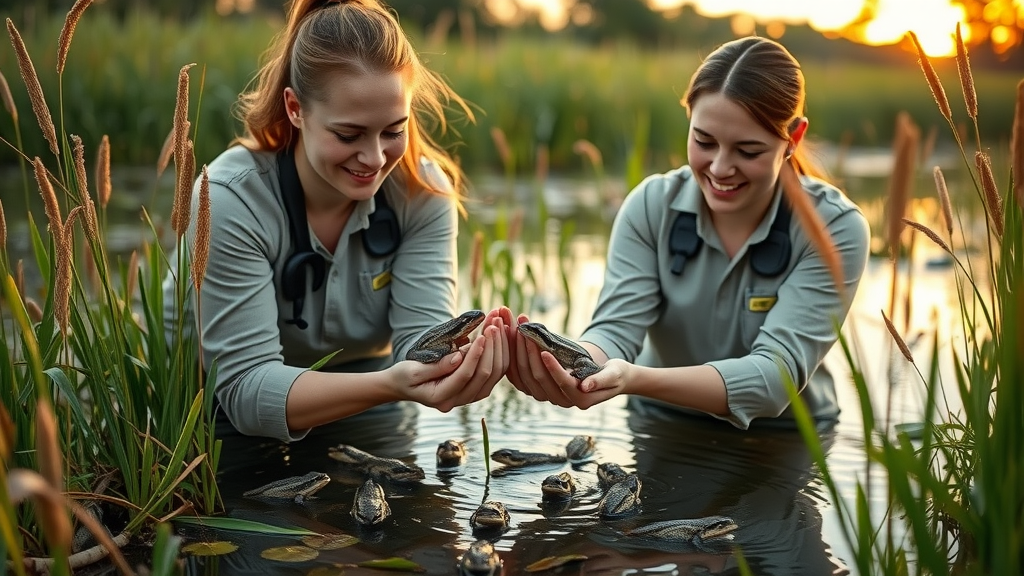
For conservation to succeed, lab discoveries must return to the wild. Amphibian conservation center staff monitor their frogs from egg to adult, then coordinate with the Michigan Department of Natural Resources to identify healthy wetlands for release. These carefully mapped efforts have brought entire populations back from the brink and contributed vital data to global organizations tracking amphibian population declines .
Partnerships with global scientists allow Detroit's team to study the effects of climate change, pollution, and disease (like chytrid fungus) on amphibians everywhere. Lessons learned in Detroit have shaped international protocols for species recovery, illustrating how local urban initiatives can drive worldwide biodiversity survival .
Golden Frog Stories: Why the Panamanian Golden Frog Matters to Detroit
Case Study: Panamanian Golden Frog and Detroit’s Role
- Detroit’s crucial involvement in the survival of the Panamanian golden frog—one of the world’s most threatened amphibians.
- How local conservation action for golden frogs brings direct ecological benefits to Southeastern Michigan.
The golden frog is more than a symbol—it’s a rallying point for the kind of cross-continental collaboration that defines modern conservation. Once abundant in Panama’s cloud forests, this critically endangered amphibian vanished rapidly due to a deadly chytrid fungus outbreak. The National Amphibian Conservation Center became a refuge, coordinating with international biologists to house, breed, and eventually prepare these animals for future reintroduction. Detroit's role in the survival of the Panamanian golden frog links our city’s commitment to endangered species with broader efforts in global conservation biology.
Protecting golden frogs bolsters Detroit’s own ecosystem as well. The same disease surveillance, habitat restoration, and captive breeding techniques developed for international frogs directly strengthen recovery strategies for local frogs and toads. It’s a perfect example of how global thinking delivers tangible benefits for local biodiversity and environmental health .
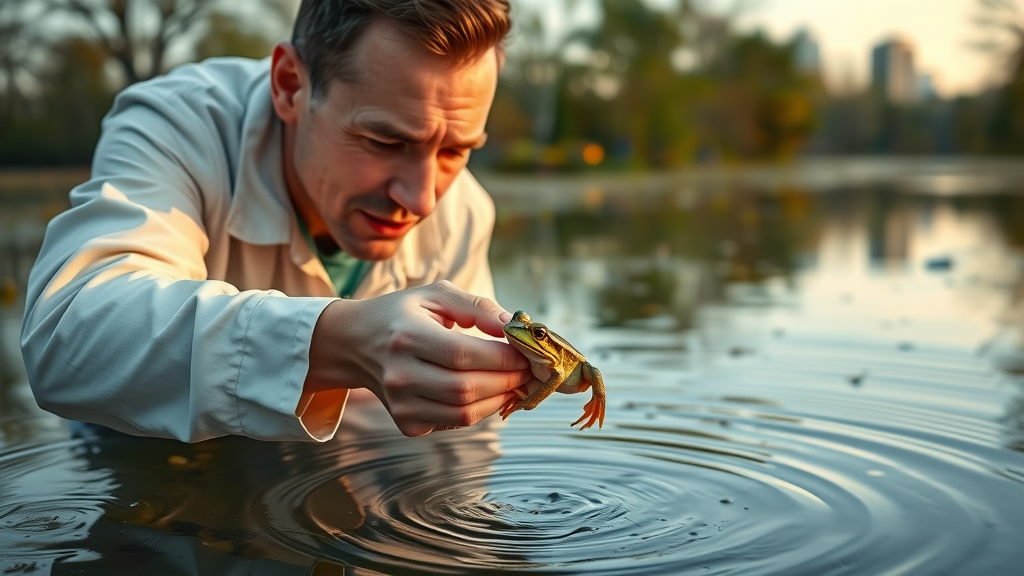
Educational Outreach: Bringing Amphibian Conservation Directly to Detroit Youth
- Amphibian research and education Detroit includes school programs, traveling exhibits, and interactive curriculum for kids.
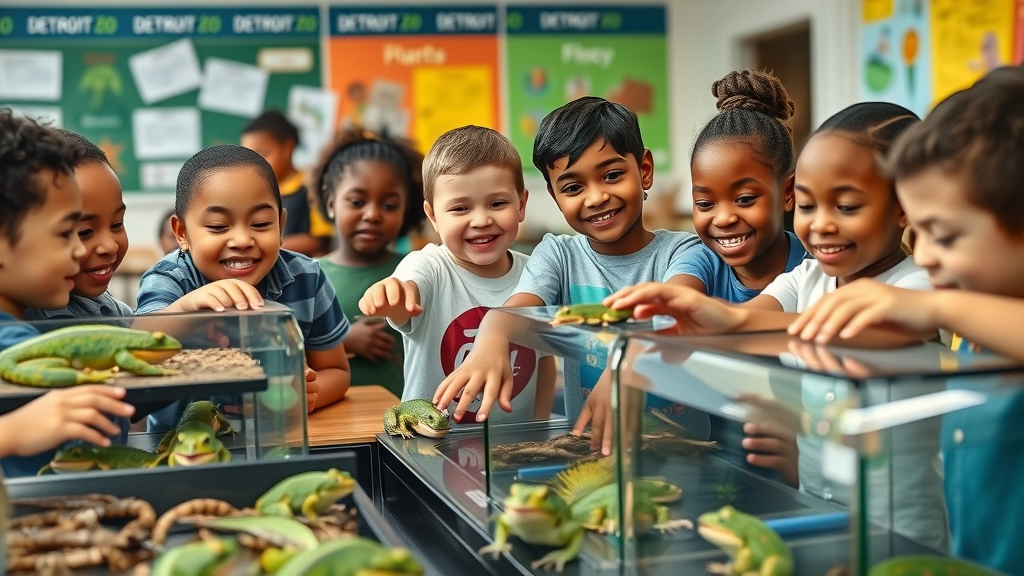
The fight to save amphibians thrives when the next generation is included. The Detroit Zoological Society runs vibrant educational programs where schoolchildren can touch model amphibians, witness live frog releases, and take part in citizen science mosquito monitoring. Traveling exhibits bring wetland magic to schools across Metro Detroit, while interactive workshops let kids learn how to spot frog species, test water quality, and even help collect data for field surveys.
Hands-on science is transformative—students not only grasp the value of amphibian research and education Detroit but also envision themselves as scientists, conservationists, or ecological stewards. By fostering personal connections with Detroit’s living heritage, these programs plant the seeds for a lifetime of environmental advocacy and stewardship.
Detroit’s Community Voices: Why Public Engagement Makes or Breaks Amphibian Conservation
"We don’t inherit Detroit’s wetlands; we borrow them from future generations." – Detroit Zoological Society Conservationist
- How the public’s attitude and participation drive amphibian research and education Detroit forward.
- Strategies for amplifying voices of youth, educators, and community scientists.
No conservation effort is sustainable without public support. Detroit's amphibian conservation successes—like the revitalization of habitats or recovery of rare frog species—are powered by citizens who care. Community forums, workshops, and citizen scientist training opportunities ensure that everyone from local teens to senior residents can play a part in healing Detroit’s wetlands. When residents understand the stakes and see the impact, they become lifelong advocates for amphibian research and education Detroit .
Strategies to elevate community voices include youth advisory panels, collaborative art projects depicting amphibian life cycles, and regular town halls for conservation planning. The more Detroiters are involved in shaping the future of their wetlands, the stronger the movement for local science, global impact, and lasting environmental change.

Op-Ed: What Detroit Must Do to Lead in Amphibian Conservation
Challenges Facing the National Amphibian Conservation Center
- Funding volatility, public awareness gaps, and hurdles in amphibian disease research impacting Detroit’s leadership role.
It’s not enough to have cutting-edge science and world-class zoos; true leadership requires overcoming serious challenges. The National Amphibian Conservation Center must navigate turbulent funding cycles, which threaten stable staffing and limit the scope of long-term recovery programs. Awareness gaps mean that even within Detroit, many residents remain unaware of the critical role frogs, toads, and salamanders play—or of the existential threats these species face.
The growing threat from emerging amphibian diseases, like chytridiomycosis and ranavirus, further complicates efforts. Disease surveillance, rapid diagnostic labs, and continual investment in cutting-edge research are vital. Strong partnerships with the Department of Natural Resources and global peer institutions are a must if Detroit is to maintain its position as a beacon for amphibian conservation and education .
Opportunities for Growth Through Education and Innovation
- Modernizing science communication to energize new supporters of amphibian research and education Detroit.
Detroit stands at a crossroads full of opportunity. The next step is to modernize how conservation stories are told —using interactive exhibits, virtual reality experiences, and social media campaigns that excite young audiences and attract fresh supporters. Expanding partnerships with tech companies could make scientific findings more accessible, building a Detroit-wide culture of science literacy and ecological stewardship.
The effort isn't only about frogs—it’s about equipping every citizen and child to be a conservationist in their own right. Innovative programs that combine art, technology, and field experience can bridge the gap between lab research and community action, amplifying Detroit’s global leadership in saving endangered species and restoring wetland health.

- Exclusive look into how the National Amphibian Conservation Center restores populations of endangered golden frogs and supports field research.
A behind-the-scenes video tour at the Detroit Zoo offers unprecedented insight into the tireless work being done to restore critically endangered amphibians. The video highlights the painstaking process of breeding golden frogs, treating them for disease, and releasing them back into wild wetlands. This journey shows how Detroit’s homegrown expertise is shaping international conservation outcomes—one frog at a time.
Viewers see the care that amphibian staff give to every egg, tadpole, and adult frog—from health checks and feeding routines to habitat design and environmental monitoring. These unseen heroes ensure that amphibian research and education Detroit delivers not just hope, but measurable results.
- Detroit high school students share firsthand experiences working with leading biologists at the Detroit Zoological Society.
In this inspiring video, Detroit high schoolers work side-by-side with detroit zoological society mentors, taking water samples, identifying frog calls, and learning to diagnose wildlife diseases. The students reflect on how these hands-on experiences opened new career pathways in ecology, veterinary medicine, and conservation science .
By highlighting the journeys of real local youth, the video makes clear that tomorrow’s leaders are made today through amphibian research and education Detroit . Science is most powerful—and most inclusive—when everyone can take part.
- Leading conservationists and educators discuss Detroit’s strategic vision for amphibian conservation through 2030.
A thought-provoking panel discussion brings together Detroit’s top amphibian conservationists, educators, and community leaders to debate the path forward. Topics include scaling up breeding programs for critically endangered species, integrating wetlands restoration into urban planning, and leveraging technology for wider youth engagement.
The consensus: Community inclusion, science innovation, and relentless education are the pillars of Detroit’s amphibian conservation, promising both ecological and cultural renewal for the city and beyond.
People Also Ask (PAA): Your Questions About Amphibian Research and Education Detroit
How is Detroit Zoo saving endangered amphibian species?
- The Detroit Zoo’s National Amphibian Conservation Center utilizes advanced breeding, cutting-edge disease intervention, and public outreach; they’ve released thousands of native amphibians back into Michigan’s wetlands.
Detroit Zoo employs a multi-pronged approach to saving amphibians : advanced breeding in controlled environments, extensive health checks for critically endangered species like the Panamanian golden frog and Wyoming toad, and public outreach to inspire action. The amphibian staff regularly partners with the department of natural resources to monitor wild populations, release healthy frogs and toads, and restore native wetland habitats. With thousands of specimens released into the wild, Detroit’s leadership sets a national standard in amphibian conservation and education.
What makes the Panamanian golden frog so important?
- The Panamanian golden frog is an emblem of global amphibian decline—by protecting it in Detroit, local scientists also help safeguard entire ecosystems and foster international collaboration.
The Panamanian golden frog holds an outsized role in conservation: it's a flagship species representing amphibian decline worldwide. Efforts to protect it at the conservation center in Detroit have inspired similar programs globally and prompted collaborative research on disease prevention and reintroduction. Saving this one species means developing protocols that help countless other frog and toad communities survive against overwhelming odds. The lessons learned extend well beyond a single animal—they drive scientific progress and policy adaptation globally.
Why does amphibian conservation matter for urban areas like Detroit?
- Urban amphibians regulate insect populations and indicate environmental health; Detroit’s conservation efforts maintain ecological balance and deliver science education benefits citywide.
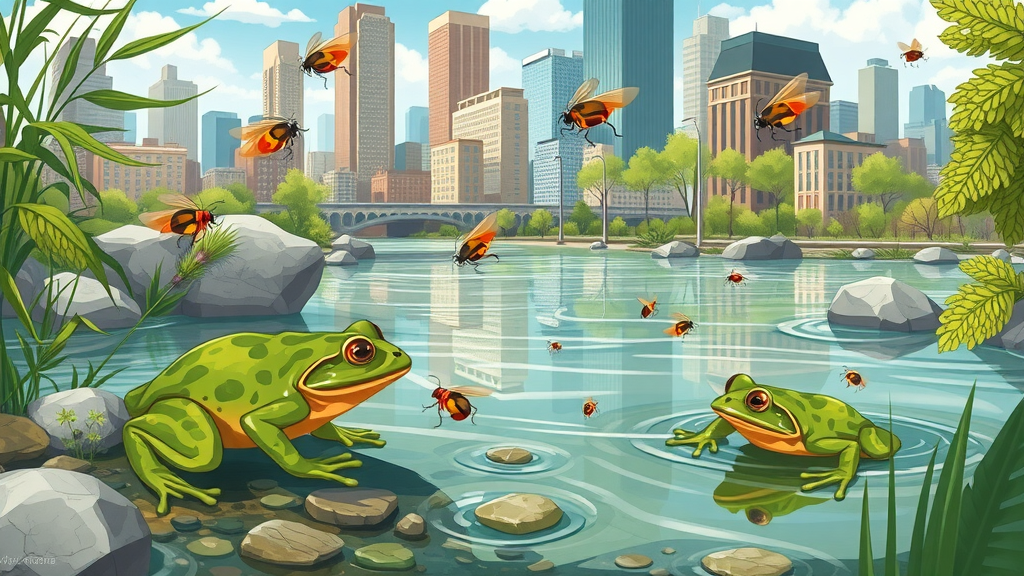
Urban amphibians are silent guardians of the city’s water quality and natural resources. By managing insect populations and indicating shifts in ecosystem health, frogs and salamanders help sustain a balanced, healthy environment for Detroiters. Amphibian research and education programs also make science accessible, nurturing curiosity and eco-literacy among both students and adults citywide. In short, amphibian conservation is foundational to both urban wellbeing and public education .
Can youth get involved in amphibian conservation in Detroit?
- Absolutely—student internships, summer camps at the Detroit Zoo, and citizen science mosquito monitoring are available for engagement in amphibian research and education Detroit.
Detroit’s youth programs are designed for genuine involvement. High school and college students can attend camps at the Detroit Zoo, participate in field research, and even serve as citizen scientists collecting data on water quality and amphibian populations. The hands-on, real-world training prepares young Detroiters for careers in ecology, biology, and conservation advocacy—ensuring the city’s leadership continues into the next generation.
What You Need to Know: Key Lessons from Detroit’s Amphibian Conservation Work
| Initiative | Impact | How to Participate |
|---|---|---|
| National Amphibian Conservation Center | Rescued 1,000+ golden frogs | Attend educational tours |
| Detroit Zoological Society Youth Programs | 50+ local schools involved | Enroll kids in workshops |
| Community Audits of Wetland Health | Improved water monitoring | Volunteer as a citizen scientist |
Essential Takeaways for Amphibian Research and Education Detroit
- Detroit is a nationally recognized leader in amphibian conservation.
- The work of the Detroit Zoo and National Amphibian Conservation Center is critical for species like the Panamanian golden frog.
- Public participation and education are cornerstones of effective amphibian research and education Detroit.
Frequently Asked Questions on Amphibian Research and Education Detroit
-
Where can I see golden frogs in Detroit?
– Visit the National Amphibian Conservation Center at the Detroit Zoo. -
What are the top threats to local amphibians?
– Habitat loss, climate change, and disease. -
How are schools in Detroit engaging with conservation?
– Through classroom projects, field trips, and partnerships organized by the Detroit Zoological Society.
Your Next Steps: Supporting Amphibian Research and Education Detroit
- Stay informed, volunteer, donate to local conservation efforts, and discover free educational resources and updates.
"Stay on top of the latest news and events in Detroit. Click here to sign up: https://detroitdailybuzz.com/signup "
Conclusion
Get involved today—Detroit’s amphibian conservation legacy depends on you. Attend local events, volunteer at the Detroit Zoo, and help foster a thriving, resilient urban ecosystem for generations to come.
The Detroit Zoological Society’s National Amphibian Conservation Center is a pioneering facility dedicated to the conservation and exhibition of amphibians. Since its opening in 2001, the center has been instrumental in breeding and reintroducing endangered species, such as the Panamanian golden frog and the Wyoming toad, into their natural habitats. Additionally, the center engages in global conservation efforts, including monitoring amphibian populations in the Peruvian Amazon and conducting local surveys of mudpuppy salamanders in the Detroit River. ( dzs.detroitzoo.org )
In 2017, the Detroit Zoo hosted the Association of Zoos & Aquariums Amphibian Management School, providing training to international animal care staff on amphibian behavior, ecology, and welfare. This initiative underscores the zoo’s commitment to advancing amphibian conservation knowledge and practices. ( dzs.detroitzoo.org )
Furthermore, the Michigan Amphibian and Reptile Conservancy (MARC) is dedicated to the conservation and management of the state’s amphibians and reptiles. MARC focuses on education, habitat protection, biological research, and the development of headstarting projects to restore ecosystem functions. ( miarc.org )
These resources provide comprehensive insights into the ongoing efforts in amphibian research and education in Detroit, highlighting the collaborative endeavors to preserve these vital species.


Write A Comment