 Add Row
  Add
Add 


Did you know that over 40% of amphibian species worldwide are threatened with extinction, making them the most endangered group of vertebrates on Earth? That’s what makes the national amphibian conservation center detroit such a global game-changer—a place that quietly shapes the survival of many rare frogs, toads, and salamanders. Whether you’re a curious local or just discovering the Detroit Zoo , this center’s secret influence on global biodiversity and animal welfare will surprise you. Let’s dive into what makes the Detroit Zoological Society’s conservation center an essential—and inspiring—destination, one you’ll want to explore from every angle.

A Surprising Statistic: Why the National Amphibian Conservation Center Detroit is a Global Game-Changer
Here’s an eye-opening fact: The National Amphibian Conservation Center Detroit is home to more than 60 amphibian species, including some of the rarest on the planet, and leads more collaborative rescue programs than any other U.S. zoo and aquarium facility of its kind. Led by the Detroit Zoological Society , the center actively participates in international efforts to bring amphibians back from the brink—like the critically endangered Panamanian golden frog and even lesser-known species like the Puerto Rican crested toad and Wyoming toad .
The role of this bold amphibian conservation center extends well beyond public exhibits—it’s a nerve center for breeding, research, and hands-on rescue missions, some involving real-time responses to foreign habitats. Thanks to the Detroit Zoo ’s partnerships with organizations like the Association of Zoos and Aquariums and the Department of Natural Resources , the center is able to harness global innovation and coordinate effective conservation efforts on multiple continents.
What You'll Uncover About the National Amphibian Conservation Center Detroit
- Key insights on amphibian conservation in Detroit
- Behind-the-scenes of the Detroit Zoological Society efforts
- Rare species and advanced facilities at the conservation center
- Opinion on the future of amphibian conservation
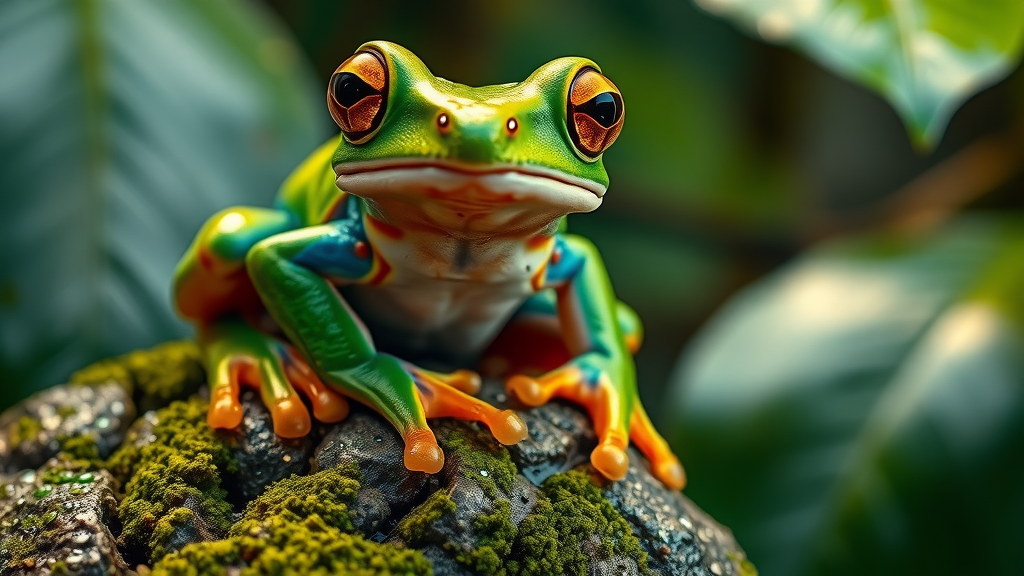
The National Amphibian Conservation Center Detroit: Blending Conservation and Innovation
Detroit Zoological Society's Vision for the Conservation Center
The Detroit Zoological Society had more than a simple exhibit in mind when they launched the national amphibian conservation center detroit . Their ambition was to create a space where amphibian conservation could thrive—where experts and the public could witness firsthand the complexities and triumphs of rescuing wildlife. The creation of this conservation center represented a pledge to safeguard at-risk species, blending public education with scientific breakthroughs.
Ruth Marcec, a herpetology specialist closely associated with national amphibian conservation, often describes this center as a “living classroom.” Visitors are immersed in the world of frogs and toads, learning about their natural habitat and the innovative strategies that keep them alive. This vision extends beyond the beautiful aquariums and terrariums, directly fueling pioneering research and inspiring activism that ripples throughout the community and the scientific world.
Innovations Shaping Amphibian Conservation at the Detroit Zoo
Technology and research are at the heart of the amphibian conservation center . The breeding programs use carefully controlled environments to mimic the amphibians’ natural habitats, supporting species like the Panamanian golden frog and Wyoming toad , which are currently extinct or near-extinct in the wild. The Detroit Zoo ’s scientists have pioneered protocols for disease management—combating the deadly chytrid fungus that decimated amphibian populations globally—and collaborate on genetics studies, animal welfare advancements, and reintroduction strategies.
Interactive displays and behind-the-scenes tours provide visitors a rare glimpse into these cutting-edge efforts. The center's staff, often seen teaming up with the Department of Natural Resources and international partners, makes Michigan a true epicenter for amphibian conservation . As the official quote from the herpetology team proclaims:
"The National Amphibian Conservation Center is often called the ‘jewel of the Detroit Zoo’ for a reason—its impact is quietly revolutionary." – Detroit Zoo herpetology staff
An Opinion-Based Dive: My First Impressions Inside the National Amphibian Conservation Center Detroit
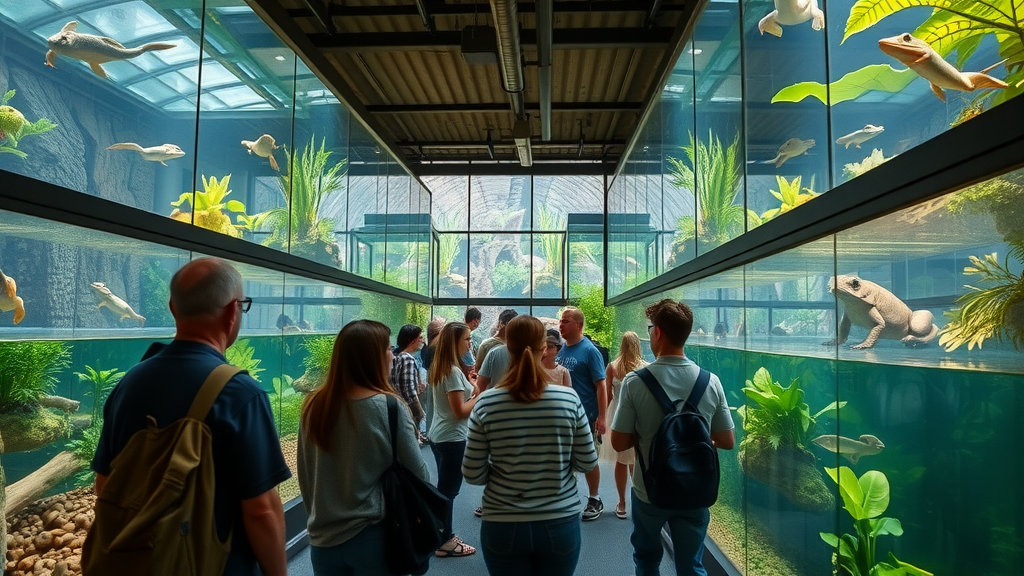
The Sensory Experience: Sights, Sounds, and Surprising Details at the Amphibian Conservation Center
Stepping inside the national amphibian conservation center detroit is nothing like your typical zoo visit. The rooms hum with the sound of trickling water, the croaks and chirps of frogs, and the gentle rustling of tropical leaves. Sunlight and soft LED lights combine to showcase aquariums and terrariums filled with vibrant moss, glistening stones, and, of course, stunning amphibians—from bright green tree frogs to elusive salamanders.
What truly strikes any visitor, though, is the palpable sense of wonder—both in children pressing their noses to the glass and adults who linger to read about rescue successes or global partnerships. Highly detailed signage and friendly staff make complex topics like genetics and animal welfare accessible, emphasizing the importance of every species—even the ones many people have never heard of. It’s an adventure for the senses, and for the mind.
From Belle Isle to the National Amphibian Conservation Center: Detroit’s Ongoing Legacy
Detroit’s passion for wildlife protection predates the creation of the current conservation center . The city’s storied history includes the original zoo on Belle Isle , an institution that brought exotic animal care into the American mainstream. With the opening of the Detroit Zoological Society’s flagship location in Royal Oak, the ethos shifted from entertainment to education and urgent conservation.
Today, this commitment is on full display in the national amphibian conservation center detroit . Initiatives such as partnerships with the department of natural resources and programs at the adjoining nature center underscore Detroit’s enduring leadership. From river to rainforest, Detroit is a touchpoint for all who care about amphibians’ survival—and it all began on the shores of the Detroit River.
Rare Species, Global Partnerships: The Panamanian Golden Frog and More
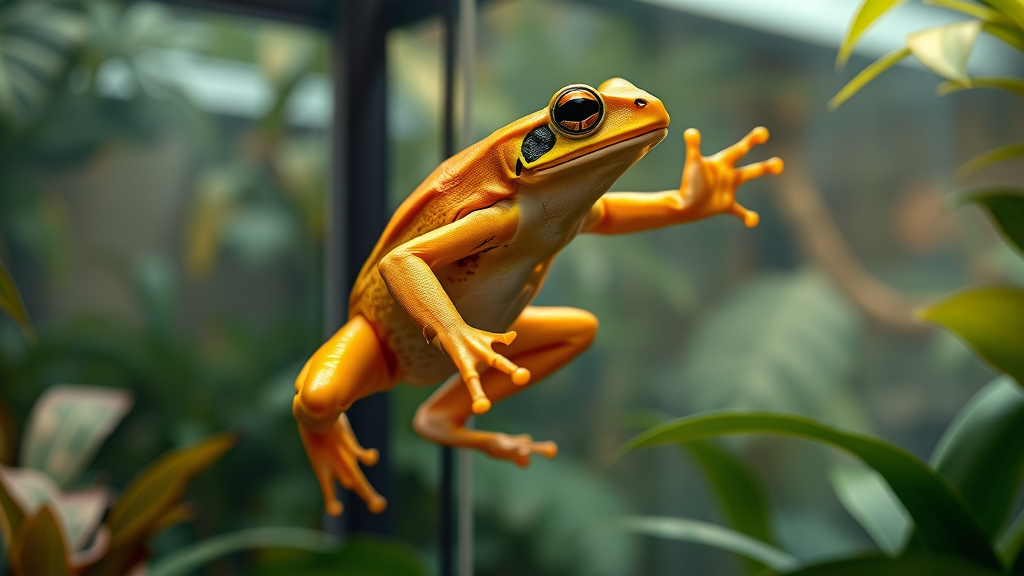
Why the National Amphibian Conservation Center Detroit is Essential in Saving Endangered Amphibians
The national amphibian conservation center detroit is first and foremost a rescue lifeline for critically endangered amphibians. Whether it’s the dazzling Panamanian golden frog —whose distinct waves signal a hopeful future—or the seldom-seen Puerto Rican crested toad and Wyoming toads , every animal has a story of survival connected to the center’s tireless work. These species don’t just depend on advanced breeding techniques, but also on rapid disease response, close monitoring, and international data sharing.
The center’s reputation for rescuing frogs and toads is echoed in its ability to return some of these rare species to secure wild habitats, often in collaboration with global conservation agencies. For instance, lessons learned here have influenced rescue projects as close as Michigan’s wetlands and as far away as Panamanian rainforests. Their efforts show why amphibians are keystone species—helping regulate natural resources, pest populations, and water systems.
Collaborations Beyond Detroit: The Role of the Zoological Society and International Conservation
What makes the Detroit Zoological Society stand out isn’t just its collection—it’s the powerful network built through alliances with the association of zoos and aquariums , the department of natural resources , and organizations as diverse as Amphibian Ark and universities worldwide. These cross-border partnerships enrich the amphibian conservation center , providing vital new techniques for husbandry, rescue, and public engagement.
From the crested toad ’s Puerto Rican roots to the Panamanian golden frog’s tropical home, the stories told here are global in scope. Each collaboration develops new protocols and helps standardize care, empowering smaller nature center teams and larger zoos alike. What happens at the Detroit Zoo matters thousands of miles away, making its conservation reputation more important than ever.
Interactive Experiences at the National Amphibian Conservation Center Detroit Everyone Should Try

Learning Labs, Nature Center Programs, and Expert Talks
The national amphibian conservation center detroit goes well beyond static displays to immerse guests in hands-on science. Regular learning labs give young people, families, and school groups the chance to handle frog models, test water samples, and shadow keepers in the daily care of amphibians. Programs at the connected nature center bring local natural resources into sharper focus, teaching the power of grassroots conservation and the role every visitor can play.
Expert talks add another layer of depth. Scientists from the Detroit Zoological Society and Department of Natural Resources share pioneering research, while guest speakers offer global perspectives. These sessions are a springboard for budding conservationists, sparking lifelong curiosity and advocacy in animal welfare, ecosystem protection, and amphibian survival.
Virtual Adventures: Detroit Zoological Society’s New Digital Initiatives
Not everyone is local, but every digital visitor can connect with the national amphibian conservation center detroit thanks to newly launched virtual field trips and live animal webcams. These immersive digital programs allow classrooms and families worldwide to shadow keepers, witness rare species like the Panamanian golden frog, and engage directly with zoological society experts. The power of digital outreach is creating a new wave of advocates who may never set foot in Michigan—but are transformed by the center’s mission.
Social media, interactive Q&As, and downloadable learning materials make sure amphibian conservation is just a click away. The online arm of the Detroit Zoo is extending the reach of animal welfare and conservation stories like never before.
Tables: Comparing National Amphibian Conservation Centers in the U.S.
| Center | Location | Number of Species | Award-Winning Programs |
|---|---|---|---|
| National Amphibian Conservation Center | Detroit, MI | 60+ | Yes |
| Amphibian Ark | Portland, OR | 40+ | Yes |
| Bronx Zoo Amphibian Center | New York, NY | 50+ | No |
Unique Amphibian Conservation Efforts at the Detroit Zoo
- Conservation breeding of critically endangered species
- Hands-on amphibian care workshops
- Youth outreach through the nature center
- Rescue and rehabilitation partnerships
- Public engagement in amphibian monitoring

FAQs about the National Amphibian Conservation Center Detroit
How much does it cost to go to the Detroit Zoo Penguin exhibit?
The Detroit Zoo Penguin exhibit is included with general admission. General Zoo admission ranges from $14 to $19 depending on age and season, and members of the Detroit Zoological Society often enjoy discounted or free access.
Did the Detroit Zoo have pandas?
The Detroit Zoo has never permanently housed giant pandas, focusing instead on unique conservation work, such as at the national amphibian conservation center detroit .
Does the Detroit Zoo have frogs?
Absolutely. The national amphibian conservation center detroit includes a diverse collection of rare and endangered frogs from around the world.
How big is the Detroit Zoo?
The Detroit Zoo spans over 125 acres, with the national amphibian conservation center detroit as one of its signature attractions.
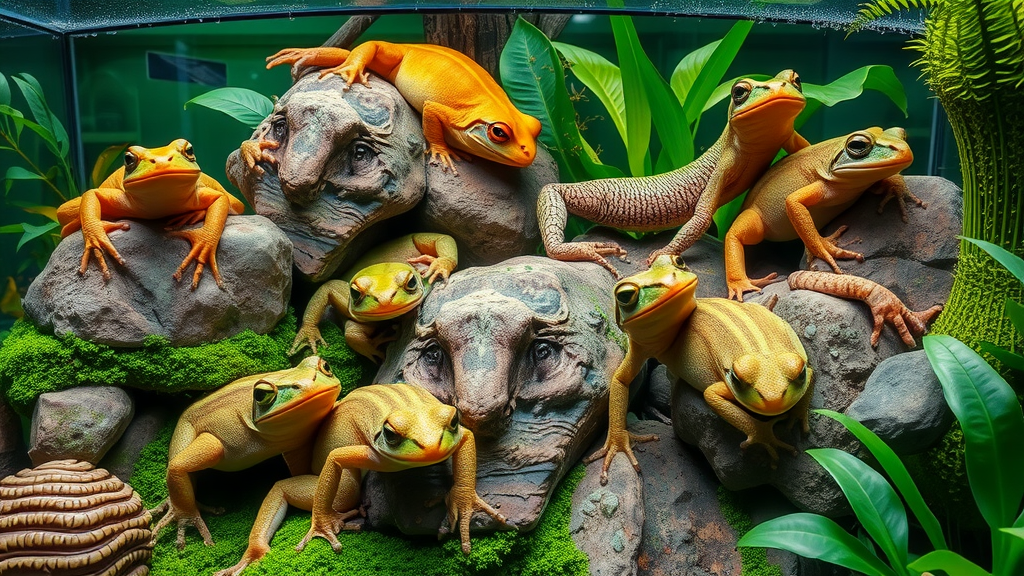
My Perspective: The Critical Role of the National Amphibian Conservation Center Detroit in Global Biodiversity
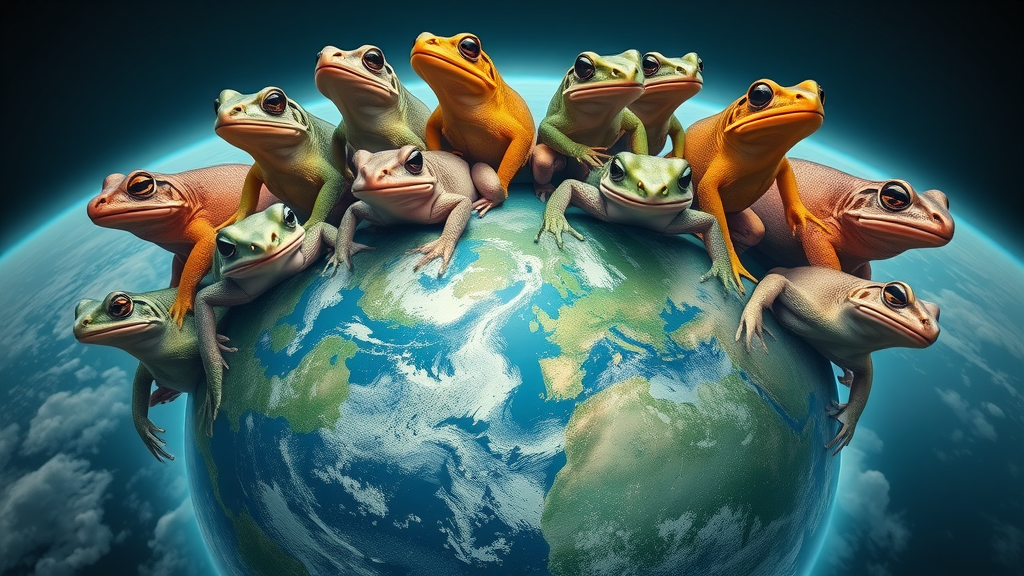
"Conservation is not just about saving species—it’s about preserving the intricate tapestry of life that keeps our world vibrant and resilient."
After multiple visits and hours spent listening to experts, I’m certain: the national amphibian conservation center detroit is a vital thread in the global tapestry of life. Its influence extends far past zoo walls, setting a gold standard for amphibian conservation, environmental education, and animal welfare. With each animal rescued, each public program delivered, and each species reintroduced, the Detroit Zoological Society demonstrates that urgent, science-driven collaboration is the only way forward.
Let this conservation center inspire you, as it has inspired me—to keep learning, supporting ethical zoos and aquariums, and advocating for the survival of creatures who need our hands and hearts now more than ever.
Stay Updated on All Things Detroit: News, Events, and More

Stay On Top Of The Latest News And Events In Detroit Click Here - https://detroitdailybuzz.com/signup
Take your next step—experience the Detroit Zoo in person or online, advocate for amphibian conservation, and sign up to stay informed about what’s happening in Detroit’s wildlife scene. The future of global biodiversity just might depend on what you learn and do next.
The National Amphibian Conservation Center (NACC) at the Detroit Zoo is a pioneering facility dedicated to the preservation and study of amphibians. Since its opening in 2000, the NACC has been instrumental in breeding and reintroducing critically endangered species, such as the Puerto Rican crested toad and the Wyoming toad, into their natural habitats. ( detroitzoo.net ) The center also engages in global conservation efforts, including monitoring amphibian populations in the Peruvian Amazon and combating diseases like chytridiomycosis. ( dzs.detroitzoo.org ) Visitors to the NACC can explore a diverse array of frogs, toads, salamanders, and newts in naturalistic exhibits, gaining insight into the vital role these creatures play in our ecosystems. ( detroitzoo.net )


Write A Comment