 Add Row
  Add
Add 


Did you know that amphibian populations worldwide have plummeted by over 40% in recent decades ? This alarming decline threatens entire ecosystems. Yet, in the heart of Michigan, the national amphibian conservation center in Detroit stands as a vibrant beacon of hope. Unlike any ordinary exhibit, this center is a driving force for global amphibian conservation, biodiversity, and public engagement. Whether you’re a lifelong wildlife enthusiast or a family on a weekend adventure, what you’ll discover here will surprise and inspire you.
Why the National Amphibian Conservation Center in Detroit Matters: A Look at the Startling Decline in Global Amphibian Populations
- Amphibian populations worldwide have declined by over 40% in recent decades, making the national amphibian conservation center in Detroit a beacon of hope for species preservation.
- Opinion: The National Amphibian Conservation Center in Detroit isn’t just an exhibit—it’s a vital force for global biodiversity.
The detroit zoo is home to the acclaimed national amphibian conservation center in Detroit —a facility that stands at the intersection of science, education, and hope. Our planet’s amphibians, including frogs and toads, salamanders, and caecilians, face an unprecedented crisis. Habitat destruction, climate change, pollution, and lethal fungal diseases threaten their survival. The center responds with urgency and innovation, safeguarding species on the brink such as the panamanian golden frog and the eastern hellbender salamander.
Where many see only animals behind glass, the conservation center staff see “living indicators” of Earth’s health. Their cutting-edge research, collaborative partnerships—both local and international—and immersive educational programs make this facility an irreplaceable hub. By prioritizing amphibian conservation , the detroit zoological society is shaping the future of animal welfare and natural resource integrity for generations to come.

What You'll Gain from Visiting the National Amphibian Conservation Center in Detroit
- Insight into global amphibian conservation efforts
- An understanding of the Detroit Zoological Society’s role in preserving biodiversity
- First-hand exposure to innovative conservation science
A visit to the national amphibian conservation center in Detroit offers more than just an afternoon away from the city. It grants you a window into the global struggle for amphibian survival and provides a hands-on look at solutions that could shape our planet’s future. Whether you’re observing the panamanian golden frog or learning about community-based restoration efforts, you’ll walk away empowered, enlightened, and inspired to make your own mark on conservation. And unlike many attractions, your visit is a direct investment in wildlife preservation through your admission and participation.
Detroit Zoo's National Amphibian Conservation Center: An Unmatched Educational Experience
- Interactive displays at the Detroit Zoological Society reveal critical amphibian conservation facts
- Personal reflection: Detailing a family visit and the impact on children’s appreciation of wildlife
The detroit zoo shines as a leader in environmental education through its national amphibian conservation center . Interactive exhibits, touchscreens, and hands-on stations demystify the complexities of habitat loss, climate change, and species recovery. During a recent family visit, I watched my own children eagerly explore digital maps showing amphibian migration and play games that simulated wetland restoration—sparking conversations about biodiversity long after we left.
For young learners and adults alike, the center transforms abstract concepts into tangible experiences. Children marvel at life-sized amphibian models or watch real-life researchers at work, while parents are encouraged to join in. These shared moments are what turn curiosity into a lifelong commitment to wildlife—laying the foundation for the next generation of stewards.

A Behind-the-Scenes Glimpse: Conservation Center Innovations at the Detroit Zoological Society
Groundbreaking Initiatives and Collaborative Research on Amphibian Conservation
- Partnerships with international zoological societies
- Research on combating fungal diseases threatening amphibians
The scientific work of the detroit zoological society at the amphibian conservation center is truly pioneering. In collaboration with international partners—from the Association of Zoos and Aquariums to European herpetology institutes—the center participates in global research initiatives. Scientists here investigate deadly threats like chytridiomycosis, a fungal disease decimating amphibian populations worldwide. Through genetic studies, habitat simulations, and biosecure enclosures, the center is developing solutions that are rapidly adopted by conservation institutions across the globe.
Success is measured both in breakthroughs and in lives saved. The amphibian conservation center is a critical part of field-based rescue missions, disease monitoring, and repopulation efforts. Their discoveries often inform natural resource managers and policymakers, amplifying Detroit’s impact far beyond Michigan—benefiting indigenous species from the detroit river to the tropical forests of Panama.
Unique Breeding Programs at the National Amphibian Conservation Center
- Showcase: Panamanian golden frogs and their captive breeding success
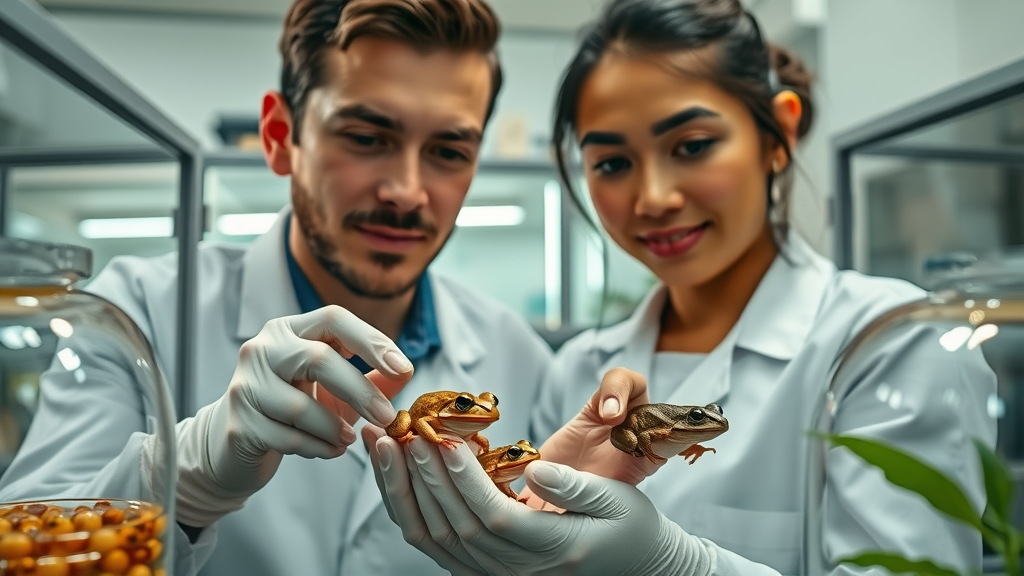
A true highlight of the center is its highly specialized breeding program for critically endangered amphibians. The panamanian golden frog conservation project is a shining example: once thought extinct in the wild due to habitat loss and disease, this species now thrives under the attentive care of Detroit’s conservationists. With biosecure habitats replicating the frogs’ delicate natural conditions, scientists overseen by Dr. Ruth Marcec painstakingly nurture eggs, tadpoles, and adults.
Such success stories aren’t limited to golden frogs. The center also supports the breeding and reintroduction of other at-risk amphibians, including the wyoming toad , puerto rican crested toad , and a range of Michigan natives. Every hatchling is a triumph—a living testament to hope, dedication, and the power of science.
The Amphibian Conservation Center’s Design: Immersive Exploration Meets Conservation Science
Exhibit Design Highlights from the Detroit Zoological Society
- Life-like habitats and immersive visitor journeys
- Accessible educational materials for all ages
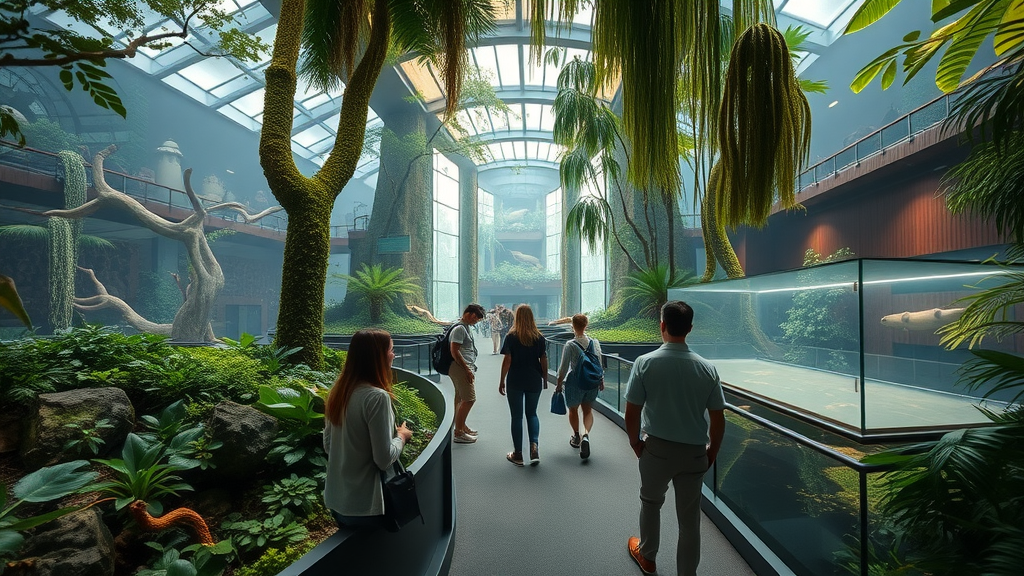
As you step into the national amphibian conservation center in Detroit , you’re transported into a series of stunning, immersive habitats. Dense greenery, cascading water features, and naturalistic terrariums mimic the frogs’ and salamanders’ home environments. These life-like displays let visitors witness amphibian behaviors usually hidden in the wild—from nocturnal activity to intricate courtship rituals. Even the educational signage is accessible, with kid-friendly explanations and multi-language support ensuring everyone leaves informed.
Guided tours and interactive learning stations invite visitors of all ages to explore conservation science hands-on. For school groups, workshops provide direct access to live research and stewardship activities—bridging the gap between classroom learning and real-world impact. It’s an environment where knowledge becomes action.
Environmental Control for Sensitive Species
- Precision climate regulation for endangered amphibian species
Behind each exhibit’s glass is a marvel of engineering—precision temperature, humidity, and light systems designed to support some of the world’s most sensitive amphibians. For creatures like the wyoming toad or the panamanian golden frog , these meticulously regulated settings are the difference between survival and extinction. The detroit zoological society staff are adept at simulating rainy seasons, mimicking forest floor temperatures, and preventing the spread of pathogens, all while ensuring animal welfare and public safety.
This technological mastery supports ongoing research and breeding, making the amphibian conservation center a living laboratory as much as an educational destination. For visitors, it offers a stunning demonstration of how science and compassion intersect to save endangered species—setting a gold standard in animal care.
Signature Species at the National Amphibian Conservation Center in Detroit
- Panamanian golden frogs
- Eastern hellbender salamanders
- Michigan native amphibians
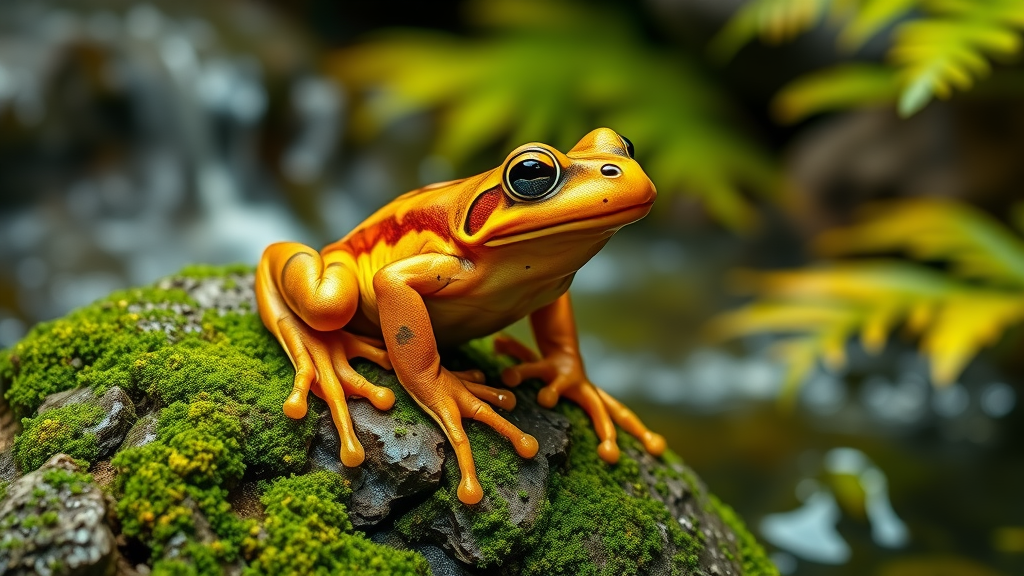
While each resident of the national amphibian conservation center in Detroit plays a vital role in biodiversity, several species stand out. The panamanian golden frog , once a symbol of hope for Central American conservationists, showcases Detroit’s international reach and expertise. Meanwhile, the eastern hellbender—North America’s largest salamander—reminds us that Michigan’s natural treasures are equally imperiled and deserving of protection.
The center also shines a light on Michigan’s indigenous amphibians, many of which have suffered from pollution, invasive species, and wetland loss. From leopard frogs to blue-spotted salamanders, the exhibits empower visitors to recognize the rich natural heritage of the Great Lakes region—and inspire them to protect these species in their own backyards.
The Detroit Zoo’s Role: Fostering Hope for Amphibian Conservation
Detroit Zoological Society Commitment
- Financial support for global amphibian conservation
Behind the scenes, the detroit zoological society provides critical financial and strategic support for amphibian conservation worldwide. Grants fund research, habitat restoration, and the training of conservation professionals both at home and abroad. This commitment extends far beyond Detroit—impacting global policy through partnerships with the department of natural resources and international non-profits.
Their leadership is an example for other zoos and aquariums to follow, with results visible not just in species numbers but in greater public awareness, community engagement, and scientific innovation.
Education and Community Outreach
- Workshops for local schools and educators
Connecting with the community is central to the national amphibian conservation center in Detroit . Workshops provide students, teachers, and local families with hands-on learning experiences, while education officers regularly visit nearby schools. Outreach isn’t limited to classrooms—public lectures, citizen science initiatives, and summer camps bring the wider community into Detroit’s mission. Every project, from field surveys to frog monitoring in the detroit river , exemplifies how conservation is both a local and global responsibility.
Local partnerships, whether with Royal Oak schools or Michigan wildlife networks, multiply the center’s impact—ensuring that biodiversity protection is woven into the cultural fabric of the region.
Community Connections: How Royal Oak and Detroit Benefit from the National Amphibian Conservation Center
- Local economic impact in Royal Oak
- Conservation-driven tourism and educational programs
The presence of the national amphibian conservation center in Detroit doesn’t just benefit wildlife—it boosts the local economy and shapes community identity. Increased tourism delivers steady traffic to Royal Oak’s restaurants, shops, and hotels. Conservation-themed events, school trips, and volunteer opportunities provide meaningful connections for residents and inspire civic pride.
Far from being a passive exhibit, the center is a hub for education, advocacy, and environmental stewardship. From hosting conferences to leading local wetland cleanups, its ripple effect can be felt throughout Detroit and beyond. It stands as a symbol of what can happen when a community comes together to protect its natural resources.
Spotlight: Visiting the Detroit Zoo’s Amphibian Conservation Center—A Personal Perspective
- First impressions and the emotional impact of seeing rare amphibians
- How the amphitheater engages both skeptics and enthusiasts
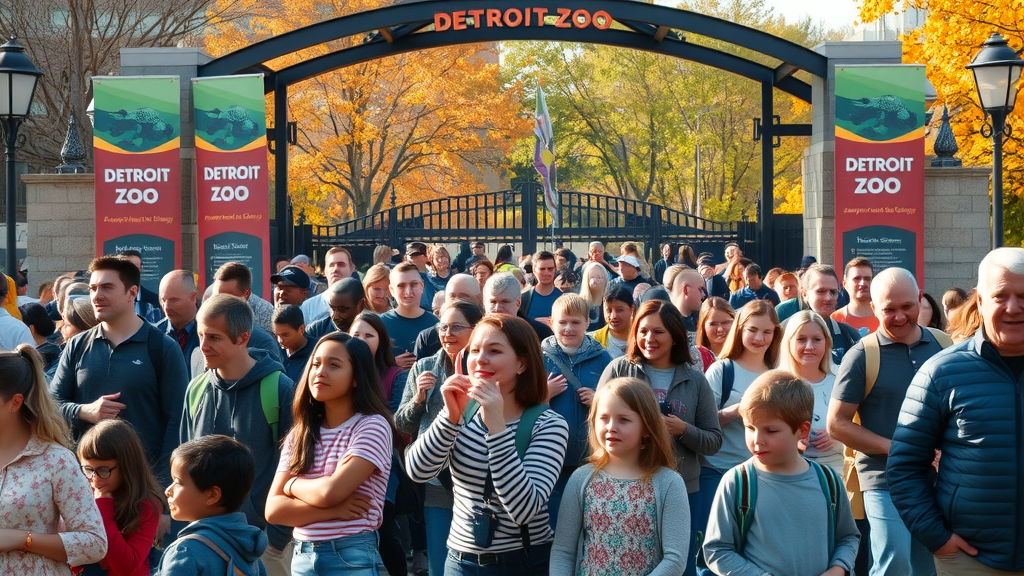
Entering the national amphibian conservation center in Detroit for the first time, I was struck by the immediate sense of wonder. To stand inches from a panamanian golden frog or watch a hellbender glide through its watery domain is to witness resilience in action. Whether you arrive as a skeptic or a lifelong amphibian fan, the amphitheater’s immersive exhibits and expert-led presentations inevitably shift your perspective.
For many, myself included, the take-away is more than just facts—it’s a changed sense of responsibility. Seeing rare species flourishing against the odds inspires hope and action, affirming that everyone can contribute to conservation, no matter their background or expertise.
Detroit Zoological Society and National Amphibian Conservation: A Model for Future Conservation Centers
Lessons Learned and Global Influence
- Institutions inspired by Detroit’s pioneering conservation model
The national amphibian conservation center in Detroit is frequently referenced by zoological societies and conservation organizations worldwide as a template for success. Its balance of science, public education, and active species management has inspired new initiatives from South America to Asia. The detroit zoological society regularly shares its best practices, ensuring that lessons learned in Detroit ripple across continents and boost amphibian survival rates everywhere.
It’s a model of collaboration among zoos and aquariums, local governments, and international partners. Institutions like the National Zoo in Washington, D.C., and the San Diego Zoo have adopted similar models, affirming Detroit’s global influence on conservation design.
My View: Why Every City Should Have an Amphibian Conservation Center
Conservation is not a luxury—it’s a necessity. As more species become critically endangered and climate change accelerates, the need for local hubs like the amphibian conservation center grows. Detroit’s success proves that every city, no matter its size, can make a difference by bringing science, community, and action under one roof. Such centers inspire stewardship, foster education, and secure a future for both endangered species and humans alike.
What is the new exhibit at the Detroit Zoo?
Answer: The Detroit Zoo’s latest exhibit—within the national amphibian conservation center in Detroit—features interactive technology that allows guests to simulate amphibian research in the field, enhancing public understanding of amphibian conservation challenges and successes.

How much does it cost to go to the Detroit Zoo Penguin exhibit?
Answer: Access to the Penguin exhibit at the Detroit Zoo, including the national amphibian conservation center in Detroit, is included in standard zoo admission. However, special behind-the-scenes tours may require an additional fee, typically ranging from $15 to $25 per person.
How long does it take to walk through Detroit Zoo?
Answer: Walking through the entire Detroit Zoo, including a dedicated visit to the national amphibian conservation center in Detroit, generally takes 3 to 4 hours, allowing time to fully experience each exhibit and conservation center.
Does the Detroit Zoo have alligators or crocodiles?
Answer: The Detroit Zoo does not currently house alligators or crocodiles. Instead, its national amphibian conservation center in Detroit highlights lesser-known amphibian species receiving vital conservation support.
Comparing Amphibian Conservation Centers: What Sets Detroit Apart
| Conservation Center | Signature Species | Innovative Features | Community Outreach |
|---|---|---|---|
| National Amphibian Conservation Center (Detroit) | Panamanian golden frog, Eastern hellbender, Michigan natives | Immersive habitats, real-time research, interactive education | Strong local/school programs, global partnerships |
| National Zoo (Washington D.C.) | Puerto Rican crested toad, Eastern tiger salamander | Field research, genetic banking | Extensive volunteer/education programs |
| San Diego Zoo | Wyoming toad, Mountain yellow-legged frog | Rewilding/restoration projects, climate-controlled labs | Conservation festivals, citizen science |
Voices from the Field: Quotes from Zoologists, Conservationists, and Visitors
"The national amphibian conservation center in Detroit is an inspiring model for the world. Its commitment to science and public engagement is truly remarkable."
– Lead Herpetologist, Detroit Zoological Society
"Visiting the Detroit Zoo’s conservation center was eye-opening—not just for the animals, but for the future of the planet."
– Local Teacher
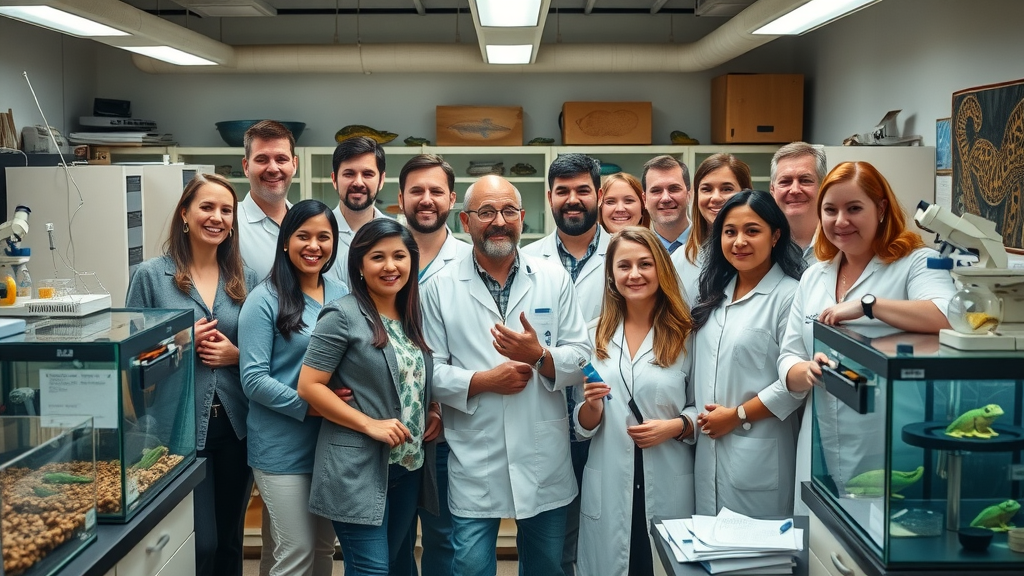
Top Reasons to Make the National Amphibian Conservation Center in Detroit Your Next Stop
- See critically endangered amphibians up close
- Support essential conservation research
- Inspire a new generation of environmental stewards
Practical Tips for Your Visit to the National Amphibian Conservation Center in Detroit
- Best days/hours for smaller crowds
- Recommended exhibits for families and researchers
- Accessibility and visitor services
For a rewarding experience at the national amphibian conservation center in Detroit , plan your visit during weekday mornings or late afternoons to avoid busy weekends. Don’t miss the panamanian golden frog and eastern hellbender habitats, where you can observe conservation in action. Family visitors will enjoy kid-focused workshops, while researchers may find behind-the-scenes tours especially valuable. The center is fully accessible, offers audio guides, and features comfortable seating throughout—ensuring an enriching visit for all.
Frequently Asked Questions about the National Amphibian Conservation Center in Detroit
-
What conservation projects can I support as a visitor?
Your admission, purchases, and donations help fund species recovery, habitat restoration, and research initiatives both locally and worldwide. Special campaigns presented at the center allow you to contribute directly to featured programs, such as the panamanian golden frog project. -
Can I volunteer at the amphibian conservation center?
Yes! The Detroit Zoological Society offers a range of volunteer opportunities—from education and guest services to assisting with conservation projects. Contact the center’s outreach team or check the zoo’s website for openings and training sessions. -
How are rescued amphibians cared for on site?
Rescued amphibians receive individualized care in state-of-the-art biosecure enclosures. Veterinary staff monitor health, nutrition, and environmental needs, working tirelessly to rehabilitate animals for re-release or integration into breeding programs. -
What is the Detroit Zoological Society’s broader mission?
The detroit zoological society is dedicated to animal welfare, conservation, and public education. Through the national amphibian conservation center and other projects, it advances science, fosters global partnerships, and promotes sustainable living for all species.
Experience the National Amphibian Conservation Center in Detroit: Video Tours
Walkthrough of the latest exhibits at the conservation center
Behind-the-scenes interview with Detroit Zoological Society staff

Making a Difference: The Future of Amphibian Conservation in Detroit
- Upcoming projects at the national amphibian conservation center in Detroit
- How Detroiter engagement is shaping worldwide conservation
The future of amphibian conservation in Detroit looks bright. Upcoming projects include studying the effects of climate change on local amphibian populations, expanding wetland restoration programs, and launching educational initiatives with Royal Oak and Belle Isle schools. Detroiters’ passion and support will continue to influence global conservation efforts—proving that a dedicated community can change the world.
Stay Informed: Connect with Detroit’s Conservation Community
- Stay on top of the latest news and events in Detroit. Click here – https://detroitdailybuzz.com/signup
Take the next step and join Detroit’s conservation movement today—your visit and your voice matter more than ever.
The National Amphibian Conservation Center (NACC) at the Detroit Zoo is a pioneering facility dedicated to the conservation and exhibition of amphibians. Opened in 2000, this 12,000-square-foot center is situated within a two-acre wetland area known as “Amphibiville,” providing naturalistic habitats for a diverse array of frogs, toads, salamanders, newts, and caecilians. The Wall Street Journal aptly described it as “Disneyland for toads.” ( en.wikipedia.org )
The NACC is renowned for its significant contributions to amphibian conservation. It has successfully bred critically endangered species such as the Puerto Rican crested toad, with nearly 84,000 tadpoles released into the wild since 2008. Additionally, the center maintains assurance populations of species like the dusky gopher frog and the Panamanian golden frog, serving as a safeguard against extinction. ( detroitzoo.net )
Visitors to the NACC can explore immersive exhibits that highlight the critical role amphibians play in ecosystems and the challenges they face. The center’s design integrates educational messaging with engaging displays, offering insights into amphibian ecology, evolution, and conservation efforts. ( detroitzoo.net )
The Detroit Zoological Society (DZS) oversees the NACC and has been instrumental in advancing amphibian conservation both locally and globally. The DZS has been involved in assessing amphibian populations in the Peruvian Amazon since 2010, conducting field surveys and testing for diseases like chytridiomycosis, which has been devastating amphibian populations worldwide. ( dzs.detroitzoo.org )
In 2017, the DZS appointed Dr. Ruth Marcec as the Director of the NACC. With her expertise in veterinary medicine and reproductive physiology, Dr. Marcec leads the center’s efforts in amphibian care, breeding, conservation, and research programs. ( dzs.detroitzoo.org )
The NACC also engages in local conservation initiatives, such as monitoring mudpuppy populations in the Detroit River since 2006. These efforts provide valuable data on the health of local amphibian species and their habitats. ( detroitzoo.net )
For those interested in supporting amphibian conservation, the NACC offers various opportunities, including educational programs and volunteer initiatives like FrogWatch USA, a citizen science program that trains individuals to monitor local frog and toad populations. ( detroitzoo.net )
In summary, the National Amphibian Conservation Center in Detroit stands as a beacon of hope for amphibian conservation, combining scientific research, education, and community engagement to address the global amphibian crisis.



Write A Comment