 Add Row
  Add
Add 


Startling fact: Since 1970, Detroit's amphibian populations have declined by over 60%—a silent crisis hiding in our own backyard. Wetlands are disappearing fast, and with them, the frogs, toads, and salamanders vital to our city’s health. If you care about clean water, healthy neighborhoods, and the future of Detroit, the fate of our amphibians is your concern too. Read on to learn why urgent action is needed for amphibian habitat preservation in Detroit, and how you can make a real difference—before these incredible creatures vanish for good.
Unveiling the Crisis: The Sobering Reality of Amphibian Habitat Preservation in Detroit
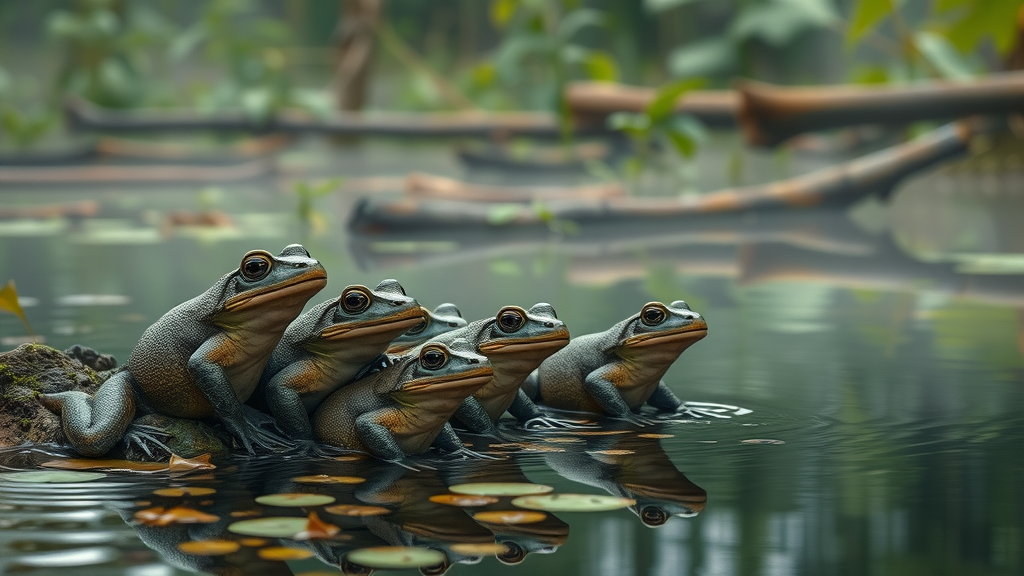
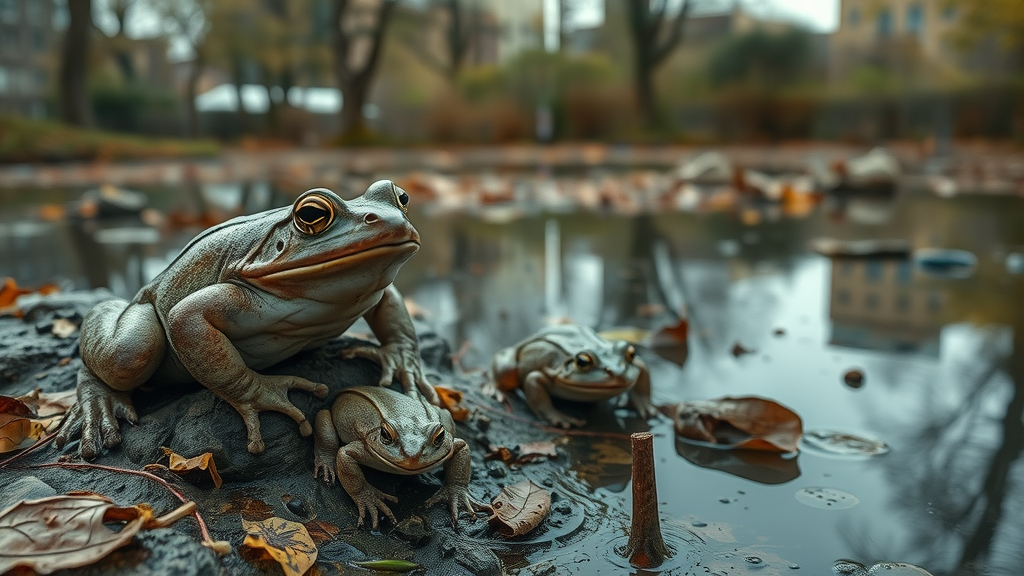
Amphibian habitat preservation in Detroit is at a crossroads. Urban expansion, pollution, and changing climate patterns are eroding the wetlands that local amphibians call home. Each year, critical habitat shrinks as roads, buildings, and industrial developments encroach on once-continuous wetland corridors. The Detroit River , Great Lakes , and inner-city parks are home to a surprisingly diverse array of frogs, toads, and salamanders—including species now labeled as vulnerable or even critically endangered by conservation groups and the Michigan Department of Natural Resources . Detroit RI areas, once vibrant with croaking and buzzing summer nights, have fallen eerily silent in many neighborhoods.
Local conservationists, scientists at the Detroit Zoo , and volunteers from the Detroit Zoological Society warn that this is not merely about animals; it’s about the overall health and resilience of Detroit’s natural resources, waterways, and communities. Without an urgent push for habitat restoration , future generations may not experience the unique symphony of native amphibians along their neighborhood ponds and city parks. The question is clear: will Detroit stand by as its amphibian heritage slips away, or act quickly to secure a healthier, wilder future?
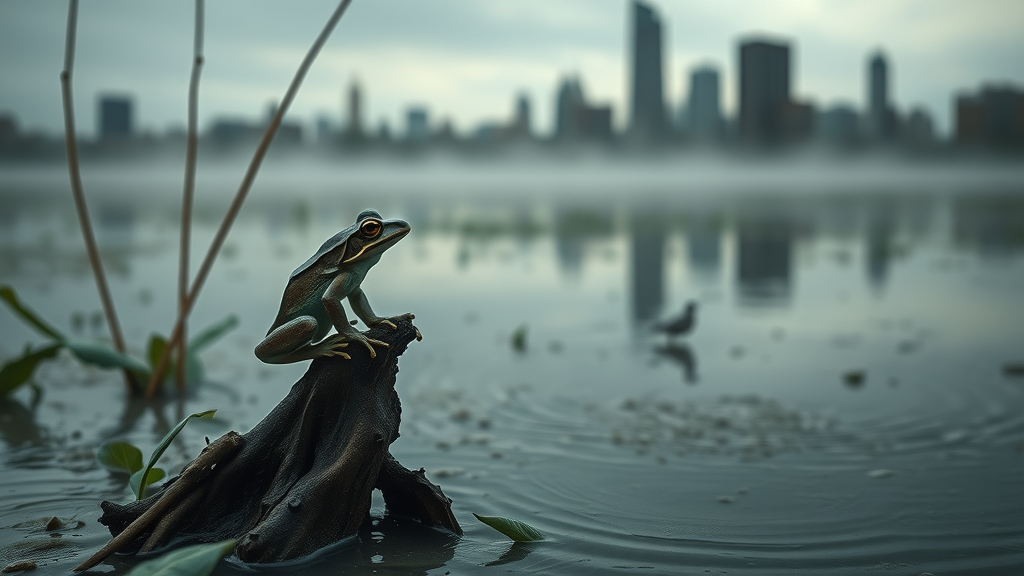
"Since 1970, Detroit's amphibian populations have declined by over 60%—a silent crisis hiding in our own backyard."
Why Detroit's Amphibians Matter: Ecological Impact and Broader Significance
Amphibians do more for Detroit than most residents realize. They are bioindicators , meaning their presence—or absence—signals the quality of our environment and water. Healthy amphibian populations reflect clean water, balanced ecosystems, and a thriving network of living organisms. Their sensitivity makes them the first to warn us about pollution or ecosystem imbalance, a service crucial to our own well-being as Detroit residents.
Beyond their role as environmental sentinels, amphibians are also vital players within Detroit’s food web. From controlling pest insect populations to nourishing birds and fish throughout the Detroit River and the Great Lakes basin, their impacts ripple outward. The loss of these creatures affects not just local wildlife, but the safety of our recreational waters and even local agriculture. When amphibians are protected, Detroit benefits in ways most people never see.
- Essential pollinators and pest controllers
- Vital food sources in Detroit River and Great Lakes ecosystems
- Bioindicators for environmental health
The Role of Detroit Zoo and Zoological Society in Amphibian Habitat Preservation in Detroit
The Detroit Zoo and Detroit Zoological Society are at the forefront of preserving amphibian habitats within city limits and beyond. Their mission extends far beyond entertaining families: these organizations serve as crucial conservation powerhouses, working with local, national, and even international partners. Through science-led research and hands-on environmental stewardship, they help reverse the tide of habitat loss, joining forces with government bodies, such as the Michigan Department of Natural Resources and various nonprofits.
Through innovative programs such as captive breeding, wetland restoration, and educational outreach, the zoo and society aim to save hundreds of native frog and salamander species. The Amphibian Conservation Center at the Detroit Zoo is a prime example—a state-of-the-art facility dedicated to the survival of native and global amphibians alike. By reinforcing the natural habitats and raising awareness across Detroit, these organizations are demonstrating that comprehensive amphibian habitat preservation in Detroit is possible—with enough community will and targeted resources.
Detroit Zoological Society’s Commitment to Local Amphibian Conservation
The Detroit Zoological Society (DZS) doesn’t just talk about conservation—it puts boots in city wetlands and science into practice. Their expert staff includes amphibian biologists, environmental educators, and restoration specialists. Initiatives led by DZS ensure that amphibian habitat preservation in Detroit is grounded in research, community engagement, and real-world results. Partnerships with schools and neighborhood groups turn local residents into citizen scientists, further multiplying their impact.
DZS staff use cutting-edge monitoring (including acoustic surveys and DNA sampling) to track amphibian populations at Belle Isle and along critical sections of the Detroit River . Their restoration projects span everything from eradicating invasive species to replanting native vegetation. This intensive, locally rooted approach is helping to build resilience into Detroit’s urban biodiversity—one pond, marsh, and creek at a time.

Inside the Amphibian Conservation Center: A Detroit River Biodiversity Stronghold
The Amphibian Conservation Center housed at the Detroit Zoo is one of North America's largest and most advanced facilities dedicated to amphibian conservation. Far more than an attraction, it functions as a lifeline for locally endangered species, and for global amphibians fighting extinction. The center provides expertly managed breeding programs for native species like the Eastern Tiger Salamander , employing staff who meticulously replicate Detroit’s unique wetland environments within secure terrariums.
Public engagement is a cornerstone of the Center’s philosophy. Families and school groups join outreach programs, witnessing firsthand the fragile beauty of native amphibians and learning ways to support amphibian habitat preservation in Detroit. By partnering with global organizations, the center also amplifies Detroit’s influence on international conservation, supporting projects from Panama’s Golden Frog to the critically endangered Wyoming Toad . Detroit’s Amphibian Conservation Center proves that one city’s commitment can reverberate worldwide.
"Our mission is to save species and habitats one frog at a time," — Amphibian Conservation Center Curator
Detroit River and Great Lakes: Critical Frontiers for Amphibian Habitat Preservation in Detroit
The Detroit River and Great Lakes corridor form a vast, interconnected landscape crucial to the health of Detroit’s amphibians. Wetlands flanking the Detroit River serve as migration routes, breeding grounds, and feeding sites for frogs and salamanders, connecting rural Michigan habitats with the urban heart of Detroit. However, these aquatic corridors now face pressures from every direction: water pollution, invasive species, and intense shoreline development all threaten to unravel the fabric of amphibian life.
Multi-stakeholder efforts, from city agencies to the Detroit Riverfront Conservancy, are now mobilizing to protect remaining habitats. These collaborative restoration projects focus on shoreline buffer plantings, stormwater management, and reconnecting fragmented wetland patches. This work is more than a feel-good gesture; it’s a strategic effort to bolster amphibian populations that, in turn, support the rich tapestry of the Detroit RI corridor and the Great Lakes basin ecosystem.
Detroit River Restoration Projects Supporting Amphibian Habitat
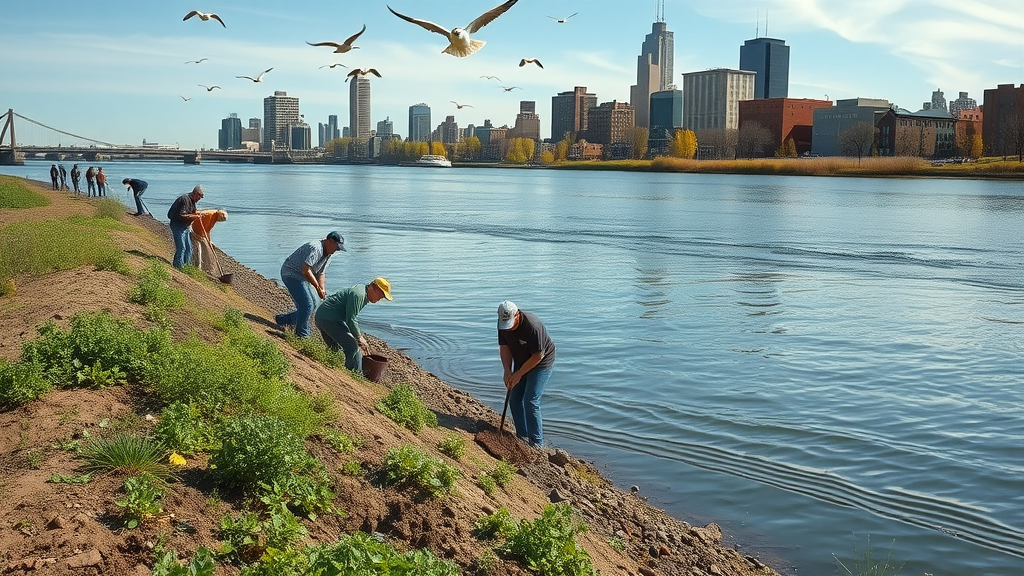
By restoring the banks of the Detroit River , local initiatives are creating critical refuges for amphibians. Hand-in-hand with ecologists, volunteers plant water-loving grasses and native wildflowers, replacing invasive species along degraded shorelines. These efforts help stabilize stream banks, filter runoff pollution, and provide hiding spots for frogs, toads, and salamanders—effectively reversing decades of wetland loss in some of Detroit’s busiest neighborhoods.
Projects like these lean on lessons from the Michigan Department of Natural Resources and university research teams. Volunteers working at Belle Isle and nearby parks have transformed once-polluted swaths into amphibian havens, marking an uptick in detroit river biodiversity. By supporting ongoing wetland management and community events, everyone from school children to seasoned conservationists can play a role in Detroit's renewal.
The Great Lakes Amphibian Corridor: Challenges and Opportunities
The grand sweep of the Great Lakes offers irreplaceable connectivity for amphibian species, with Detroit at a vital crossroads. Yet, urbanization and fragmented green spaces have funneled many species into ecological bottlenecks, hindering migration and ultimately isolating populations. The loss of shoreline wetlands, especially in the face of industrial expansion, increases the risk for vulnerable species like the Fowler’s Toad and Eastern Tiger Salamander. These amphibians now depend on a patchwork of protected zones and restored wetlands to survive.
Despite these challenges, Detroit’s riverside and lakeshore habitats offer hope. Extensive habitat restoration, coupled with changing land-use policies, can turn these corridors into thriving lifelines instead of extinction traps. New projects are integrating green infrastructure techniques with conservation priorities, giving amphibians a clear path—literally and figuratively—back to resilience.
| Species | Habitat | Conservation Status | Key Threats |
|---|---|---|---|
| Eastern Tiger Salamander | Wetlands/Detroit River | Vulnerable | Habitat loss, pollution |
| Spring Peeper | Wooded areas near water | Stable | Urbanization |
| Fowler's Toad | Great Lakes shoreline | Near Threatened | Invasive species |
Obstacles to Effective Amphibian Habitat Preservation in Detroit
Despite growing awareness, multiple roadblocks hamper amphibian habitat preservation in Detroit . Rapid urban development fragments wetlands into small, isolated patches that are unable to sustain healthy populations. The expansion of highways and residential zones cuts off amphibian migration routes, making it near-impossible for frogs and salamanders to breed and disperse naturally. Without large, connected habitats, local populations become genetic islands, more susceptible to disease and environmental change.
Pollution compounds the crisis. Urban run-off routinely deposits pesticides, heavy metals, and oil into waterways, poisoning amphibian eggs and disrupting their delicate skin-based respiration. Even small increases in water contaminants can devastate frog and salamander communities, serving as a warning for the wider health of Detroit’s natural resources. The presence of litter and chemicals has become all too common in formerly pristine wetland sanctuaries like Belle Isle and the Detroit River mouth, signaling the urgent need for stronger pollution control measures.
Urban Development and Habitat Fragmentation
As Detroit reinvents itself, the resulting building boom comes at a cost: shrinking green spaces and divided wetlands. New construction without eco-friendly planning can bisect critical amphibian breeding grounds, leaving the city’s native frogs and toads stranded amid concrete. Upward trends in property development are especially problematic along the detroit ri corridor and near the Great Lakes waterfront, regions historically teeming with amphibian life.
Conservation-minded city planners are stepping in, pushing for smart urban design that includes wildlife corridors, green roofs, and protected buffer zones. Still, effective implementation requires public support, ongoing funding, and vigilant enforcement. The battle for amphibian habitat preservation in Detroit won't be won in boardrooms alone—it needs passionate citizens demanding a balance between growth and green space.
Pollution Impacts on the Detroit River’s Biodiversity
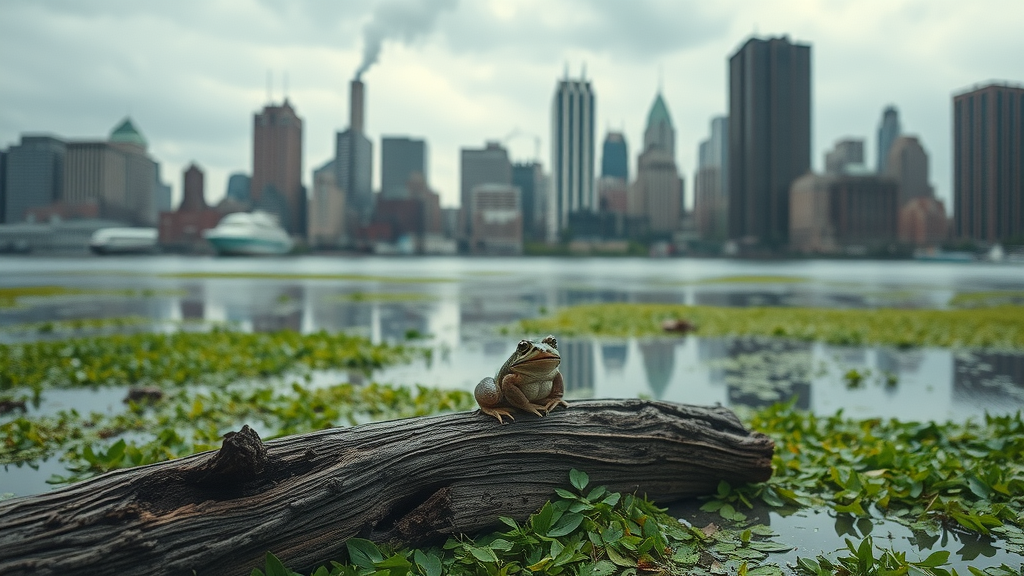
The Detroit River bears the scars of Detroit’s industrial legacy. Heavy metals, chemical pesticides, and microplastics routinely find their way into amphibian breeding pools. The unique biology of amphibians—absorbing substances directly through their skin—renders them highly vulnerable to toxins, resulting in deformities, population crashes, and increased susceptibility to disease.
Community-driven cleanups and water quality monitoring programs are beginning to pay off, but significant challenges remain. The coordination between local government, nonprofits, and the Detroit Zoological Society amplifies the impact, but only sustained, city-wide efforts can close the pollution loophole that threatens amphibian survival along the detroit ri and throughout southeast Michigan.
The Threat of Invasive Species to Detroit's Native Amphibians
Another challenge imperiling amphibian habitat preservation in Detroit is the encroachment of invasive species. Bullfrogs, aggressive fish, and non-native plants outcompete native amphibians for resources or directly consume their eggs and larvae. The destabilization caused by these invaders has already pushed species like the Fowler's Toad to the edge in parts of the Great Lakes coastline.
The Detroit Zoological Society collaborates with the Michigan Department of Natural Resources and local universities on invasive species monitoring and response. Through public education, early detection, and rapid response, they hope to slow or stop the spread of these damaging species before it’s too late. Long-term amphibian survival hinges on keeping Detroit’s wetlands as free from invasives as possible.
Amphibian Conservation Innovations: Detroit Zoo, Conservation Center, and More
Despite daunting odds, Detroit leads the way in innovative solutions for amphibian protection. The National Amphibian Conservation Center at the Detroit Zoo is reshaping what local and global conservation can achieve. Utilizing advanced breeding techniques, rigorous disease screening, and genetic monitoring, the staff here set a standard for science-based recovery programs. The Center works in tandem with national and global partners, tackling emergencies from the Panamanian Golden Frog crisis to the ongoing battle to save wyoming toads and puerto rican crested toad populations.
Zoos and conservation centers across the Detroit RI region share research findings, best practices, and training opportunities, forming a collaborative network. Bio-secure amphibian rescue facilities now serve as “ark sites” for species on the brink, while innovations in wetland restoration are restoring amphibian-friendly habitats right here at home. The convergence of high technology and community engagement is Detroit’s best hope for ensuring future generations are able to hear the call of the spring peeper or spot a salamander beneath a log.
Cutting-Edge Initiatives at the National Amphibian Conservation Center
The National Amphibian Conservation Center , simply called “The Amphibiville” by many, is pioneering several conservation strategies unique to Detroit. From environmental DNA testing to climate-controlled rearing of globally endangered species, this facility is a beacon for amphibian research across the U.S. Conservationists and biologists from around the world consult DZS staff for expertise in disease management, habitat design, and captive breeding.
Community involvement sets this Center apart; public tours, citizen science events, and school partnerships help demystify the work and rally support for ongoing initiatives. Detroit’s own amphibian heroes, including the Eastern Tiger Salamander and rare frogs, enjoy near-celebrity status during events that combine entertainment with hands-on scientific discovery. It’s a blueprint for combining local relevance with international influence.

Panamanian Golden Frog: An International Conservation Tale in Detroit
The fate of the Panamanian Golden Frog , a species nearly lost in the wild, is intertwined with Detroit’s conservation legacy. At the Detroit Zoo, the Amphibian Conservation Center manages rescue populations in bio-secure enclosures, sharing husbandry and disease-prevention insights worldwide. These efforts ripple outwards: knowledge gained here informs the care of other critically endangered amphibians, from the Wyoming Toad to the Puerto Rican Crested Toad .
But success depends on a holistic approach, combining scientific rigor with public participation. Ongoing citizen science programs enlist residents to monitor amphibian populations in the Detroit RI region, turning every backyard pond or rain garden into a conservation stronghold. Wetland creation and restoration, fueled by local advocacy, bring hope not just to golden frogs, but to the entire web of amphibian life in and around Detroit.
- Bio-secure amphibian rescue facilities
- Citizen science and community monitoring
- Wetland creation and restoration in the Detroit RI corridor
How Local Citizens Can Champion Amphibian Habitat Preservation in Detroit
Every Detroiter has a meaningful role to play in saving amphibian habitats. You don’t need to be a professional scientist or policy leader to make a difference. Supporting the Detroit Zoological Society by visiting the zoo, volunteering for river cleanups, or planting native flowers at home boosts the city’s ecological resilience. Even the simple act of reporting amphibian sightings—frogs, toads, or salamanders—helps scientists monitor and protect populations through open-access databases.
Advocacy is equally crucial. Join local campaigns that call for sustainable urban planning, or urge city leaders to fund more green spaces and enforce pollution controls. Engage your neighborhood with educational events about amphibians. In an interconnected city like Detroit, one small action—a new backyard pond, a single rebuilt wetland, a school field trip to the conservation center—can tip the scales toward a healthier urban ecosystem.

- Support Detroit Zoological Society initiatives
- Participate in Detroit River cleanup efforts
- Report amphibian sightings to conservation databases
- Advocate for stronger urban planning policies
"It only takes a single backyard pond to make a difference in Detroit’s amphibian future." — Local Conservationist
Policy, Funding, and the Future of Amphibian Habitat Preservation in Detroit
Without robust policy and sustained funding, even the best ideas for amphibian habitat preservation in Detroit will flounder. Laws protecting wetlands, regulating industrial runoff, and limiting urban sprawl must be strengthened and enforced. The Michigan Department of Natural Resources, along with local government bodies, needs continued resident input to prioritize amphibian needs in planning decisions.
Financial support is the bedrock of recovery programs. The Detroit Zoological Society, as well as key partners such as the National Amphibian Conservation Center and local conservation centers, depend on grants, donations, and municipal funding. Investment in these institutions pays dividends not just in biodiversity, but in community pride and neighborhood stability—making Detroit a national model for urban conservation.
Legislative Trends Impacting the Detroit River and Great Lakes Amphibians
Recent legislative moves on both state and city levels have focused on safeguarding the Detroit River and surrounding wetland habitats. Policies curbing wetland drainage, restricting chemical use near waterways, and incentivizing green infrastructure offer hope for amphibian populations. However, rollbacks in environmental protections at the federal level, or shifting political agendas, threaten to undermine local progress.
Staying informed and encouraging neighbors to vote for conservation-friendly leaders is vital. As legislative and funding priorities shift, public support ensures amphibian priorities remain on the city’s agenda. Detroit’s amphibian heritage can thrive—but only with political will rooted in public enthusiasm and watchdog activism.
Securing Sustainable Funding for Urban Amphibian Conservation Centers
Public-private partnerships are emerging as a lifeline for urban conservation initiatives. Sustained investment allows amphibian breeding programs, community science efforts, and education outreach to expand, directly benefiting amphibian habitat preservation in Detroit . Donor-funded endowments and city grants enable rapid response teams to tackle pollution, invasive species, or disease outbreaks.
The long-term success of institutions like the Detroit Zoological Society or the Amphibian Conservation Center hinges on the generosity of Detroit’s civic-minded residents and businesses. By supporting conservation fundraising events, or even sponsoring individual wetland sites, locals can guarantee a vibrant amphibian future for the city.

Media and Community Spotlight: Raising Voices for Amphibian Habitat Preservation in Detroit
Detroit’s news outlets and local nonprofits wield immense power in spreading the amphibian preservation message. Positive media coverage highlights local success stories and exposes ongoing threats, keeping conservation on the civic radar. Nonprofits galvanize volunteers, run citizen science projects, and hold leaders accountable for action, providing a bridge between the scientific community and everyday Detroiters.
By spotlighting amphibian conservation efforts, groups like Friends of the Detroit River and coverage from outlets such as Detroit Free Press create a groundswell of support. These community voices encourage corporate sponsors to invest in habitat restoration, recruit new generations of conservationists, and keep amphibian preservation a visible, shared city goal. The momentum is unmistakable—Detroiters are ready to be champions for the wild right outside their windows.
How Detroit’s News Outlets and Nonprofits Shape the Conservation Narrative
When the media lifts stories of amphibian loss, habitat restoration, and urban nature access into the spotlight, empathy grows citywide. Local news amplifies the hard work of the Detroit Zoological Society , features citizen scientist success stories, and demystifies complex environmental issues for the general public. Nonprofits use this exposure to recruit eco-volunteers and rally resources. This synergy—between journalism, activism, and science—is transforming how Detroit values every patch of green, every surviving frog or salamander, and every inch of restored wetland.
People Also Ask
What are the most endangered amphibians in Detroit?
Some of the most endangered amphibians in Detroit include the Eastern Tiger Salamander , which relies on healthy wetlands near the Detroit River for survival, and Fowler's Toads found along the Great Lakes shoreline. These species are under significant threat due to habitat loss, pollution, and the incursion of invasive species. Conservation efforts led by the Detroit Zoo and local organizations are crucial to halting their decline.
How can Detroit residents help preserve amphibian habitats?
Detroiters can support amphibian habitat preservation by volunteering for river cleanups, planting native species, building backyard ponds, and participating in citizen science amphibian monitoring. Advocacy for local wetland-friendly policies and supporting the Detroit Zoological Society also make a direct, tangible impact. Reporting amphibian sightings helps scientists track population trends and better protect vital habitats.
What initiatives are led by Detroit Zoo for amphibian conservation?
The Detroit Zoo leads critical amphibian conservation initiatives, such as captive breeding programs for local and global endangered species, scientific monitoring of Detroit RI wetlands, educational outreach, and public exhibits at the Amphibian Conservation Center . Their partnerships extend internationally, supporting programs for species like the Panamanian Golden Frog and the Wyoming Toad , while strengthening habitats within Detroit itself.
Why is amphibian habitat preservation in Detroit important for human health?
Healthy amphibian populations signify clean water and uncontaminated environments—factors directly linked to public health. Amphibians also control insect pests, reducing the spread of diseases, and contribute to functional urban ecosystems. Their decline serves as an early warning for environmental hazards that can ultimately harm Detroit residents, making their protection a matter of community well-being and long-term health security.
Frequently Asked Questions
How does the Detroit Zoological Society contribute to amphibian habitat preservation in Detroit?
The Detroit Zoological Society contributes through science-driven conservation, habitat restoration, captive breeding, education, and citizen science partnerships. Their integrated approach not only helps amphibian habitat preservation in Detroit , but also nurtures a citywide conservation ethic and set an example for urban wildlife stewardship nationwide.
What role does the Great Lakes ecosystem play in amphibian survival?
The Great Lakes ecosystem offers extensive breeding, feeding, and migration opportunities for Detroit’s native amphibians. These interconnected waterways buffer against urbanization and climate change, supporting complex food webs that amphibians rely on. By keeping these corridors healthy, Detroit secures amphibian populations crucial for regional ecological health.
Are there any school programs about Detroit river amphibians?
Yes—multiple Detroit Zoo and local nonprofit programs bring amphibian conservation into classrooms throughout the region. These school initiatives include field trips, classroom workshops, and student-led monitoring projects at sites like Belle Isle and the Detroit River’s edge, embedding environmental awareness in future generations of Detroiters.
"Protecting amphibians today shields Detroit’s biodiversity tomorrow."
Take Action for Amphibian Habitat Preservation in Detroit
Ready to make a real difference? Stay on top of the latest news and events in Detroit— Click Here to sign up and become part of the movement to preserve our city's amphibian habitats.
The Detroit Zoological Society (DZS) is deeply involved in amphibian conservation efforts both locally and globally. Their initiatives include monitoring mudpuppy populations in the Detroit River to assess ecosystem health, and participating in Species Survival Plans (SSPs) for critically endangered species such as the Wyoming toad and Puerto Rican crested toad. These programs involve breeding and releasing thousands of tadpoles into their native habitats to bolster wild populations. ( dzs.detroitzoo.org )
Additionally, the DZS’s National Amphibian Conservation Center has successfully bred vulnerable species like the Tokyo salamander, contributing to the establishment of assurance colonies that may help prevent extinction. ( amphibians.org )
In collaboration with partners like the Friends of the Detroit River, the DZS has also been involved in habitat restoration projects along the Detroit River. These efforts aim to restore and protect critical wetland habitats, benefiting amphibians and other wildlife. ( canr.msu.edu )
For those interested in supporting these conservation efforts, the DZS offers programs like FrogWatch USA, a citizen science initiative that trains volunteers to monitor local frog and toad populations. Participating in such programs can provide valuable data for conservation research and help raise awareness about the importance of amphibian habitats. ( dzs.detroitzoo.org )


Write A Comment