 Add Row
  Add
Add 


Did you know that over one-third of global amphibian species face extinction ? The world is in the midst of a silent crisis, and right in Detroit, experts are battling to rewrite this fate. Amphibian breeding programs in Detroit are far more than fascinating science—they are the last line of defense for species standing at the edge of oblivion. In this opinion piece, we’ll pull back the curtain on Detroit Zoo's groundbreaking efforts, share on-the-ground insights, highlight conservation victories, and show why every Detroiter should care. If you ever wondered what it takes to save a species, or how global amphibian conservation hinges on local action, keep reading—these stories of resilience, teamwork, and hope may inspire you to join the cause.
Why Amphibian Breeding Programs Detroit Matter More Than Ever
Amphibians are some of the planet’s oldest living creatures, yet they are also among the most vulnerable. The amphibian breeding programs Detroit leads at the Detroit Zoo and through the Detroit Zoological Society are becoming increasingly essential. Today, amphibians like frogs and toads , newts, and salamanders are not only facing natural threats but also human-induced dangers—ranging from deadly diseases like the chytrid fungus to widespread habitat destruction and climate change. With pressures mounting, the careful science and innovative approaches behind breeding programs become indispensable tools in global species recovery.
The urgency is stark: “ More than one-third of the world’s amphibian species are threatened with extinction—making local efforts, like those in Detroit, critically important. ” The Detroit Zoo, home to the National Amphibian Conservation Center , has emerged as a beacon in the fight. Programs here don’t just foster “assurance populations” to prevent species decline—they build hope. From the Panamanian golden frog to the Wyoming toad , the breadth of expertise in Detroit’s amphibian conservation program often means the difference between survival and extinction. This makes the city a vital player in safeguarding global amphibian biodiversity.
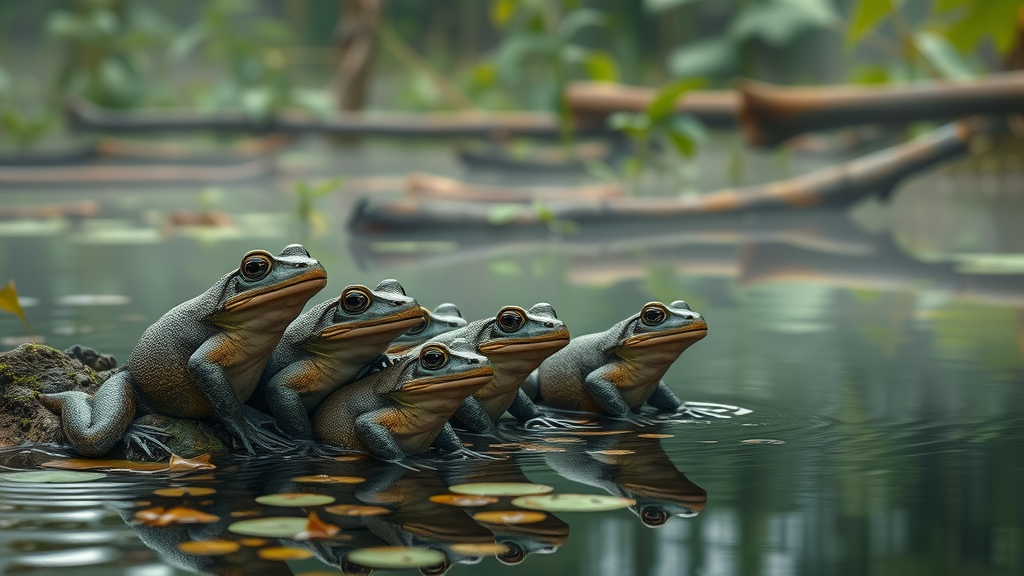
- Compelling Statistic: Since 1980, nearly 200 amphibian species have become extinct worldwide. Conservation programs like those at the Detroit Zoo and Detroit Zoological Society are among the last refuges for hundreds more.
"More than one-third of the world’s amphibian species are threatened with extinction—making local efforts, like those in Detroit, critically important."
What Readers Will Understand About Amphibian Breeding Programs Detroit
In diving into the inner workings of amphibian breeding programs Detroit , readers will develop a clear understanding of why these initiatives are so crucial. You’ll learn how the Detroit Zoological Society and the National Amphibian Conservation Center blend cutting-edge science with international and community collaboration. Real-world examples—like the rescue of the endangered Panamanian golden frog or the recovery efforts for the Pueblo Rican Crested Toad —showcase what innovation and passion can achieve.
Beyond breeding, you’ll discover how Detroit’s efforts inform global conservation strategies, supporting species from the Striped newt to the Wyoming toad . The article highlights why community involvement, research partnerships, and ongoing education are fundamental to these programs' success stories. By the end, you’ll not only be equipped to support local conservation, but also understand its significance for the future of amphibians worldwide.
- Gain insight into how amphibian conservation and breeding efforts are structured and run
- See firsthand how Detroit collaborates with other institutions and society for maximum impact
- Celebrate the survival stories from species like the Panamanian golden frog and Striped newt
- Understand how these local efforts help shape global conservation outcomes
A Personal Perspective: Witnessing Amphibian Conservation at the Detroit Zoo
My first visit to the Detroit Zoo ’s National Amphibian Conservation Center left a lasting impression that was equal parts inspiration and urgency. Walking among the carefully curated habitats, terrariums, and the soft chorus of frogs and toads, the importance of these amphibian breeding programs Detroit suddenly felt vibrantly real. Here, one can witness endangered species, such as the golden frogs and Puerto Rican crested toad , up close—each one a living testament to the dedication of the zoo’s amphibian staff.
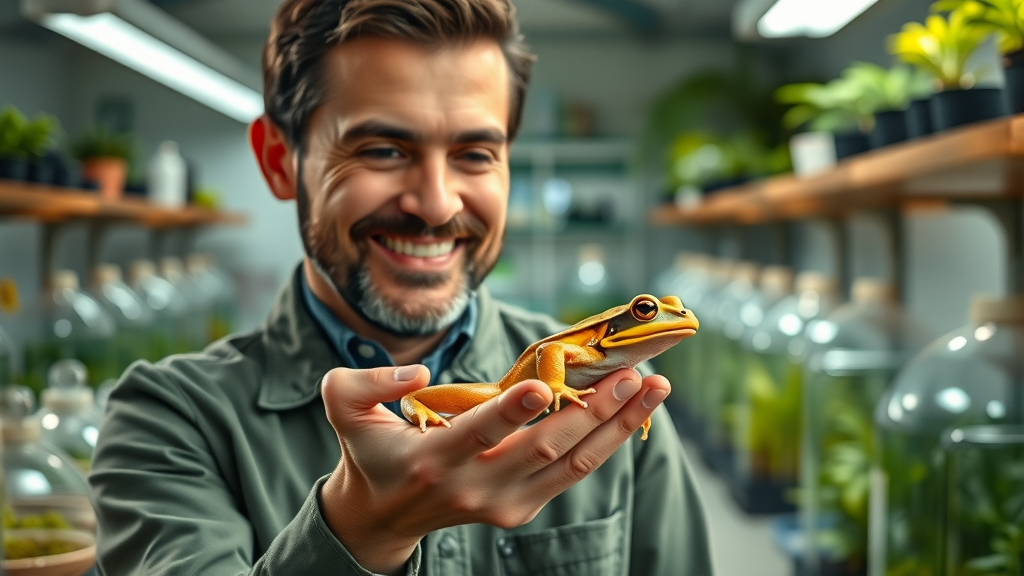
Engaging with the passionate conservationists at the center, I was struck by how their work blends hands-on care with meticulous scientific rigor. They’re not just breeding amphibians; they’re fighting daily for survival against extraordinary odds—whether it’s monitoring for disease or constructing “mini-ecosystems” to mimic native habitats. The sense of resolve is palpable. Observing endangered species like the Panamanian golden frog mere inches away was a deeply emotional experience—a clear reminder of the fragile thread connecting human actions and species survival.
- Personal reflections on zoo visits and up-close encounters with some of the most endangered amphibian species
- Direct observation of detailed work carried out by conservation specialists
- Emotional response to understanding and observing the critical importance of amphibian conservation
"Standing before the Panamanian golden frog, I realized the fragile thread connecting human action and species survival."
Inside the Detroit Zoological Society's Approach to Amphibian Conservation
The Detroit Zoological Society takes a holistic, science-driven approach to amphibian conservation , leveraging a spectrum of expertise, outreach, and collaboration. Their efforts encompass mobilizing volunteer support, training scientists, and engaging the Detroit community in the fight to save amphibians. At the heart of these efforts are unique facilities—the celebrated National Amphibian Conservation Center and the wider Detroit Zoological campus—where amphibian staff replicate native ecosystems and conduct critical research.
These facilities are globally recognized for their innovative husbandry solutions, like advanced disease control, climate-controlled breeding environments, and their role as a conservation hub for species rescue. It isn’t just about maintaining amphibians—the centers support international partnerships, coordinating with similar institutions worldwide to leverage resources and know-how. As a result, Detroit has helped set the gold standard for amphibian program management and reptile and amphibian conservation science.
- Mobilizing support through donor networks and public education
- Training and scientific expertise to address emerging threats like infectious diseases
- Community engagement through volunteer opportunities and citizen science
- Global partnerships for best practices in captive breeding and reintroduction
- Habitat simulation
- Disease management
- Captive breeding best practices
- Reintroduction protocols

Success Stories: Striped Newt, Panamanian Golden Frog, and Puerto Rican Crested Toad
Striped Newt Recovery Efforts at the Amphibian Conservation Center
The striped newt , once abundant in wetlands of the southeastern United States, has faced drastic declines due to habitat loss and disease. At Detroit’s Amphibian Conservation Center , specialists have forged collaborative ties with peers in southeastern states, uniting their expertise to meticulously monitor and bolster captive-breeding efforts for these delicate newts. These partnerships help ensure not only genetic diversity but also the long-term stability and health of the assurance populations managed at the Detroit Zoo.
Breeding and rearing programs for striped newts serve more than just preservation—they also drive ecosystem restoration. By successfully reintroducing captive-bred individuals into protected wetland habitats, Detroit’s team helps reestablish natural population structures, supporting a broader set of native species and correcting the delicate ecological balance. The ripple effect benefits entire ecosystems, far beyond amphibians alone.
- Detroit works hand-in-hand with conservationists from Florida and Georgia for striped newt recovery
- Monitoring population health, breeding rates, and survivorship in controlled and wild environments
- Direct ecosystem restoration benefits through amphibian reintroduction
Panamanian Golden Frog: Rescuing a National Treasure
The Panamanian golden frog is one of Central America’s most beloved and most endangered amphibians. At the National Amphibian Conservation Center , Detroit’s amphibian staff lead a flagship program that partners with international zoos and aquariums as part of a broad rescue effort. This initiative is grounded in the creation of assurance populations—safeguarding the species while wild habitats are restored and studied for future reintroduction.
Through advanced breeding techniques and biosecure laboratory environments, Detroit’s team has reported multiple breakthroughs, significantly increasing survival rates and enabling the careful study of disease resistance. Notably, the program also fuels public awareness campaigns throughout Michigan and Panama, teaching visitors how keystone species like the golden frog are pivotal to the health of entire ecosystems. Habitat restoration, ongoing monitoring, and close international collaboration remain central pillars of the effort.
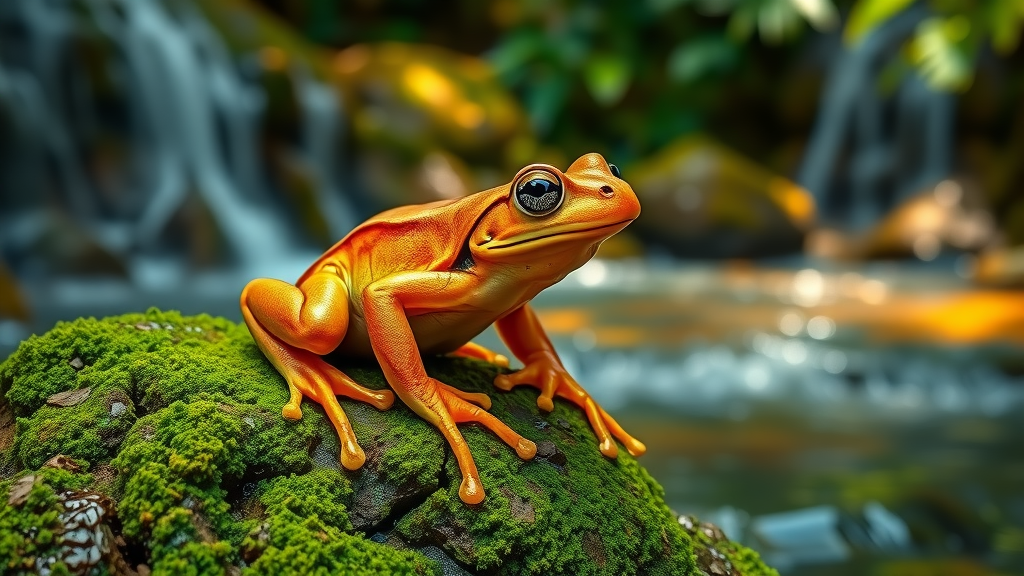
- International partnership with Panama’s conservation agencies and global zoos
- Groundbreaking breeding and husbandry achievements at the National Amphibian Conservation Center
- High-impact visual displays and educational outreach highlighting the golden frog’s plight and promise
Puerto Rican Crested Toad: From Crisis to Comeback
The Puerto Rican crested toad teetered on the brink of extinction just a decade ago. Through a network of breeding collaborations between Detroit, the Association of Zoos and Aquariums, and partners on the island, critical genetic diversity has been preserved and reintroduced. The Detroit Zoological Society’s dedication to breeding for robust toads and supporting international rescue teams has led not only to population rebounds but also to a new model for global amphibian partnerships.
The success relies on rigorous genetic management; scientists at Detroit’s Amphibian Conservation Center meticulously monitor and pair breeding stock, ensuring every generation maintains the highest genetic diversity. Released toads are tracked and studied, linking the success of captive breeding programs to ongoing wild population monitoring. This vital balance safeguards the species against unforeseen threats and promotes resilience in an ever-changing climate.
- Detroit is a core partner in the recovery of the Puerto Rican crested toad
- Breeding focuses on maintaining genetic diversity crucial for resilience in wild populations
- International monitoring and long-term collaboration with Puerto Rican conservation agencies
Saving the Wyoming Toad: Last-Chance Conservation
The Wyoming toad is one of North America’s most critically endangered amphibians, with only a handful remaining in the wild before rescue efforts began. Detroit’s amphibian breeding program plays a crucial role in its ongoing rescue, with captive-rearing facilities simulating natural cycles and closely monitoring health against fatal diseases like chytrid fungus. This labor-intensive science has led to the successful release of thousands of toads back into protected habitats in Wyoming—one of the conservation field’s most challenging “last-chance” stories.
Field monitoring teams track released Wyoming toads , providing vital data on survival and adaptation and sharing this information through conservation networks globally. Detroit’s meticulous approach to breeding, health management, and scientific exchange has helped restore hope for the species and provides a tested blueprint for similar endangered amphibian programs worldwide.
- Detroit contributes to captive breeding, disease control, and reintroduction programs for the Wyoming toad
- Robust field monitoring ensures released toads are safe, adapt successfully, and reproduce naturally
- Lessons learned inform global amphibian conservation science
How Amphibian Breeding Programs Detroit Shape Global Conservation
The reach of amphibian breeding programs Detroit extends far beyond Michigan. The Detroit Zoological Society is a leader in global partnerships, sharing technology and expertise with conservation programs worldwide. Through the National Amphibian Conservation Center, Detroit provides critical knowledge transfer—helping other regions implement advanced disease management, climate adaptation, and habitat restoration efforts using Detroit-developed best practices.
Public advocacy is another essential pillar. By involving local schools, hosting public events, and leveraging citizen science, Detroit ensures the next generation values and defends amphibians. This commitment to education, capacity-building, and advocacy creates a global ripple effect—demonstrating how a city’s dedication can drive lasting change for biodiversity, ecosystem services, and future scientific breakthroughs.
- Leadership in global amphibian conservation networks and technology transfer for best practices
- Training and resource-sharing with conservation scientists and zoos internationally
- Powerful public education and engagement campaigns, reaching thousands annually

| Species | IUCN Status | Years Active | Success Indicators |
|---|---|---|---|
| Striped Newt | Vulnerable | 2010–Present | Reintroductions, increased wild populations |
| Panamanian Golden Frog | Critically Endangered | 2005–Present | Captive breeding, educational programs |
| Puerto Rican Crested Toad | Critically Endangered | 2004–Present | Genetic diversity maintained, wild recovery |
| Wyoming Toad | Extinct in Wild / Critically Endangered | 2008–Present | Thousands released, monitored populations |
Challenges Facing Amphibian Conservation at the Detroit Zoological Society
Despite its successes, the amphibian conservation work at the Detroit Zoo is not without significant hurdles. Persistent threats like habitat loss, water pollution, and climate-driven environmental changes continue to endanger populations, both in captivity and the wild. Diseases such as the notorious chytrid fungus force ongoing research and monitoring, stretching the limits of resources even further for programs at the Amphibian Conservation Center .
Funding is another major challenge. Maintaining specialized facilities, running long-term population monitoring, and investing in public education demand significant financial and volunteer support. The dedication from Detroit’s team is unwavering, but securing sustainable resources remains a continuous battle. Community investment—and global awareness—remain the lifeblood of this lifesaving science.
- Disease risks and the ongoing battle against chytrid fungus and pathogens
- Unpredictable impacts of habitat loss and climate change
- Revenue and funding shortfalls for sustaining staff and research facilities
How to Support Amphibian Breeding Programs Detroit
Saving amphibians is a collective responsibility, and you don’t need to be a herpetologist to help. Anyone can get involved with the Detroit Zoological Society’s citizen science opportunities—such as volunteering for amphibian monitoring nights, leading classroom activities, or simply attending local conservation events. Even a modest donation can support food, medicine, or outreach programs for the Detroit Zoo’s amphibian conservation work, including endangered species breeding and ecosystem restoration.
- Participate in Detroit Zoological Society public events and restoration projects
- Join citizen science efforts by collecting amphibian data in local parks and wetlands
- Support with direct donations or by enrolling in educational programs at the National Amphibian Conservation Center
Every visitor, volunteer, or donor helps safeguard the future of amphibians—and strengthens Detroit’s global reputation as a conservation leader.
Frequently Asked Questions About Amphibian Breeding Programs Detroit
How to reproduce amphibians?
Amphibian breeding involves closely simulating the conditions of natural environments. Specialists control humidity, temperature, and photoperiods to trigger cues for mating. Aquatic habitats may be altered with wet/dry cycles to replicate seasonal variations that encourage breeding. Some species, such as the Panamanian golden frog or striped newt , require highly specialized setups. Techniques and environments are tailored to each amphibian’s needs for the best chance at successful reproduction.
Does the Detroit Zoo have frogs?
Absolutely. The Detroit Zoo is home to a vibrant array of frogs, including rare and endangered species. Notably, visitors can see the brilliant and critically endangered Panamanian golden frog at the National Amphibian Conservation Center. The zoo’s collection also supports education, research, and the preservation of global frog diversity.
Key Insights and the Future of Amphibian Conservation in Detroit
Detroit’s amphibian breeding programs have built real momentum, not just for local species but for conservationists everywhere. The road ahead requires expanded community support, government prioritization, and relentless scientific curiosity. Lasting amphibian recovery will demand broad habitat restoration and enduring international collaboration. We must recognize the value of these efforts and join the voices amplifying their importance—our planet needs amphibians, and their fate, in many ways, now rests in our hands.
- Ongoing progress made by amphibian breeding programs Detroit is proof that local action leads to global change.
- Now is the time for citizens and leaders alike to make amphibian conservation a public priority.
- The work ahead will require cooperation that keeps both science and natural habitats alive.
- Opinion: Every Detroiter—and global citizen—should rally to ensure amphibians don’t just survive, but thrive.
Stay Connected to Detroit's Conservation Efforts
- Stay on top of the latest news and events in Detroit: Click here - https://detroitdailybuzz.com/signup
Visual Tour: See Detroit's Amphibian Conservation Efforts in Action
-
Walk-through of the Amphibian Conservation Center, featuring the Panamanian golden frog and more.
Inspiring Documentaries on Amphibian Conservation
-
Selected clips and resources for further viewing on global and Detroit-specific amphibian breeding programs.
Stay On Top Of The Latest News And Events In Detroit : Click Here
Conclusion
Act now—support, volunteer, or spread the word about Detroit’s amphibian breeding programs. Your involvement is crucial for sustaining species and biodiversity well into the future.
The Detroit Zoological Society (DZS) has been at the forefront of amphibian conservation, implementing successful breeding programs for critically endangered species. Their efforts have led to significant milestones, such as the release of over 11,000 Puerto Rican crested toad tadpoles into the wild in 2018, contributing to the species’ recovery. ( dzs.detroitzoo.org ) Additionally, the DZS’s National Amphibian Conservation Center has played a pivotal role in breeding and releasing Wyoming toad tadpoles, with more than 8,000 released since the program’s inception in 1995. ( dzs.detroitzoo.org ) These initiatives underscore the critical role of local conservation programs in addressing the global amphibian crisis.


Write A Comment