 Add Row
  Add
Add 


Nearly one-third of the world's amphibian species are threatened with extinction—a crisis echoing right here in Detroit’s own backyards. The lush wetlands, urban parks, and rippling creeks that once teemed with frogs, salamanders, and toads are fading fast. Our local amphibians are not just charming reminders of Michigan's natural beauty—they are essential to healthy, balanced ecosystems. Yet, few realize how dire their situation has become, or how every Detroiter has a role to play in their survival. This article dives deep into the crisis, spotlights Detroit Zoo’s and Detroit Zoological Society’s powerful efforts, and offers direct, practical steps you can take to make a difference for amphibian conservation Detroit—starting today.
- Understanding the crisis facing amphibians in Detroit
- How major players like Detroit Zoo and the Detroit Zoological Society support amphibian conservation Detroit
- Practical ways you can participate in amphibian conservation Detroit right now
"Nearly one-third of amphibian species are threatened with extinction worldwide—a crisis echoed in Detroit’s backyards."
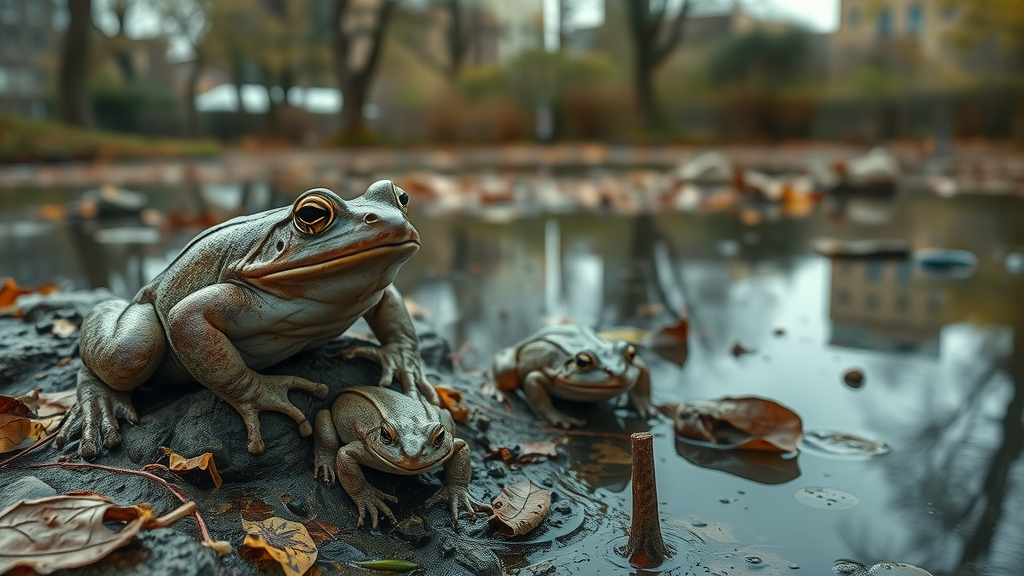
Amphibian Conservation Detroit: The Stark Reality—Why Should We Care?
Every spring in Detroit, the familiar trills and croaks of tree frogs and toads once filled the air, marking the return of warm weather and renewal. Today, those sounds are growing ominously faint. Amphibian conservation Detroit is no longer just about saving rare creatures out of pure love—it's about maintaining vital links in our city’s natural chain. Amphibians like the striped newt, tree frog, and even the resilient Wyoming toad play a crucial role as both predators and prey—keeping insect populations in check and serving as early indicators of environmental distress.
But the threats are multiplying. Pollution, urban sprawl, habitat fragmentation, and novel diseases have created a toxic environment for Detroit’s native amphibians. The Detroit Zoo, Detroit Zoological Society, and the highly praised National Amphibian Conservation Center are sounding the alarm: if we lose our amphibians, we risk a domino effect—losing birds, mammals, and the clean water we rely on. The urgency is clear: local action in Detroit could be the difference between extinction and recovery for species teetering on the brink. By understanding why amphibian conservation matters, Detroit residents can take meaningful steps to reverse the crisis before it’s too late.
Detroit Zoo and Amphibian Conservation Detroit: Champions for Endangered Species
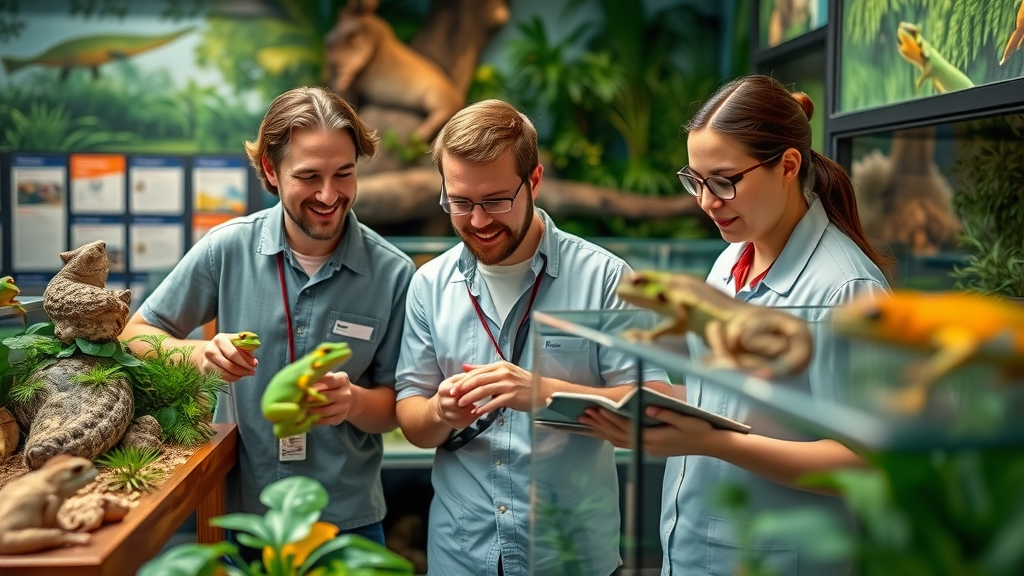
In the heart of Metro Detroit stands a beacon for global amphibian conservation: the Detroit Zoo . Behind the scenes and on public display, the Detroit Zoological Society (DZS) and their dedicated Amphibian Conservation Center work tirelessly to protect endangered amphibians for Detroit and beyond. With a state-of-the-art facility recognized as the National Amphibian Conservation Center , Detroit leads the way, from the breeding of rare species like the striped newt and tree frog to vital public education efforts.
Visitors to the Detroit Zoo are treated not only to amazing views of frogs, salamanders, and axolotls but also to inspired stories of local and international recovery projects. The DZS staff collaborates with the Department of Natural Resources and other conservation organizations to monitor populations, reintroduce amphibians to restored habitats, and study diseases threatening amphibian survival. Their work with Puerto Rican crested toads , Wyoming toads, and rican crested toad species underscores Detroit’s outsized role on the national and global stage.
How the Detroit Zoological Society Leads Amphibian Conservation Detroit
The Detroit Zoological Society uses a multifaceted approach to amphibian conservation Detroit. Breeding and release programs are a core part of their mission, focusing on critically endangered amphibians like the Puerto Rican crested toad and striped newt. The staff at the Amphibian Conservation Center are not just animal caretakers—they are conservation scientists, educators, and advocates. Their work includes partnering on national surveys, lending expertise to field conservation in the United States and abroad, and maintaining genetically diverse “backup” populations.
Public outreach ranks just as high. The Detroit Zoo’s interactive exhibits, citizen scientist programs, and school partnerships help educate children and adults about the urgent need to support amphibian populations. DZS staff guide tours, lead hands-on workshops, and support special conservation events designed to nurture eco-leadership among Detroit youth. With every frog call survey and tadpole release, they are building the next generation of stewards for amphibian conservation Detroit.
The Amphibian Conservation Center and Detroit’s Role in National Amphibian Conservation
Detroit’s Amphibian Conservation Center is renowned internationally, recognized as the National Amphibian Conservation Center . This 12,000-square-foot facility is home to over 100 species—many critically endangered or extinct in the wild. Ruth Marcec and her team have become a hub for cutting-edge research, conservation breeding, and disease monitoring. The Center’s work on chytrid fungus and habitat restoration has influenced major conservation policy in Michigan and across the United States.
What sets Detroit apart is the center’s integration of science, public engagement, and hands-on intervention. Partnerships span from the Detroit River clean-up campaigns to reintroduction programs for the rican crested toad and the hardy Wyoming toad. Their efforts extend beyond local woodlands; Detroit’s Amphibian Conservation Center is a blueprint for similar programs worldwide, reinforcing that strong local action forms the backbone of global amphibian conservation.
Threats Facing Amphibian Conservation Detroit Today
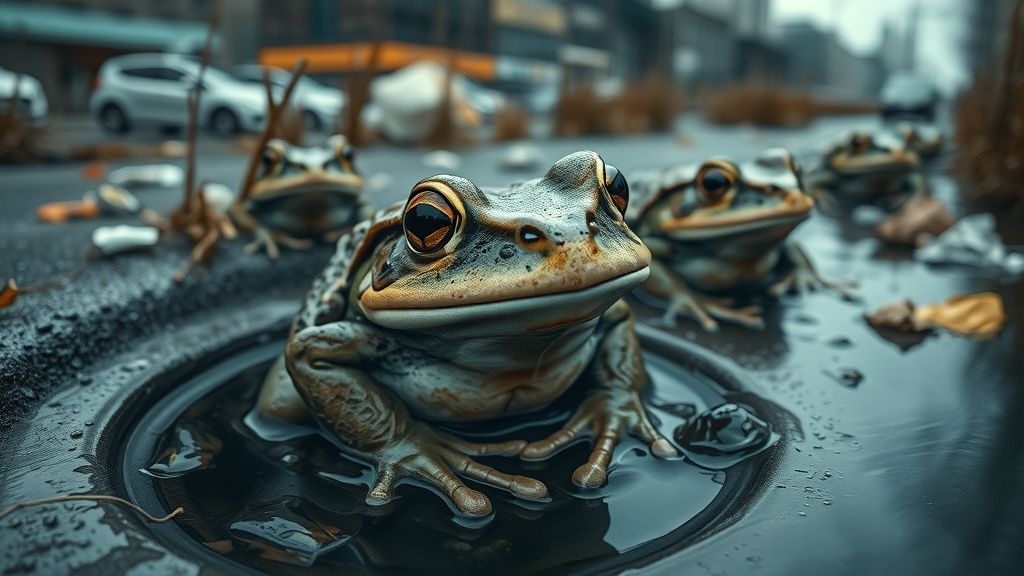
Habitat Loss, Pollution, and Disease: Detroit's Amphibians in Peril
Frogs and toads aren’t just vanishing—they’re under relentless assault. Detroit’s expansion over the past decades has shredded once-vast wetlands into isolated fragments, cutting off migration routes and breeding grounds. Heavy rain events now sweep fertilizers, pesticides, and litter directly into amphibian habitats, further poisoning fragile populations. In addition, the city’s stormwater management struggles mean amphibians emerge from drains into polluted waters rife with environmental debris—making survival more difficult each year.
Disease remains a silent killer in Detroit’s amphibian crisis . The spread of fungal infections like chytrid fungus is especially severe in fragmented and contaminated environments. These outbreaks decimate species such as tree frogs, striped newts, and crested toads. Without urgent habitat restoration and pollution control, even the best captive breeding programs face an uphill battle—because there won’t be any safe spaces left for release or wild recovery.
Why Species Like the Striped Newt and Tree Frog Need Our Attention
The striped newt and several tree frog species are emblematic of Detroit’s amphibian plight and the importance of focused conservation. Striped newts, once common, are now critically endangered and largely disappear from their historic range. The delicate tree frogs—living signals of water purity—vanish first when conditions deteriorate. Their loss is felt acutely across the food web: birds, mammals, and even aquatic insects all depend on healthy amphibian populations.
The Detroit Zoo, Detroit Zoological Society, and local natural resources experts have mobilized to target these species through habitat enhancements, captive breeding, and public education. Helping a single species can have ripple effects, as restoration of ponds and breeding pools benefits many others. These targeted efforts illustrate why amphibian conservation Detroit must remain a community-wide priority—before these unique animals slip out of our lives forever.
| Species | Conservation Status | Primary Threats |
|---|---|---|
| Tree Frog | Vulnerable | Habitat loss, water pollution, disease |
| Striped Newt | Critically Endangered | Habitat fragmentation, drought, disease |
| Wyoming Toad | Critically Endangered | Fungal diseases, environmental toxins, loss of wetlands |
| American Bullfrog | Stable (but declining locally) | Pollution, invasive species |
| Salamander (various) | Threatened | Urban development, water management changes |
How You Can Support Amphibian Conservation Detroit: Practical Steps for Community Action
Get Involved with the Detroit Zoological Society and Local Conservation Efforts
Supporting amphibian conservation Detroit goes beyond admiring frogs in a terrarium—it means rolling up your sleeves and joining a movement. The Detroit Zoological Society organizes hands-on volunteer programs, restoration events, and citizen science surveys that welcome locals of all ages. Participating can be as simple as helping at an amphibian breeding project, joining a wetland cleanup, or assisting with research led by DZS staff. These collective efforts don’t just help amphibians—they foster a sense of stewardship and purpose within the community.
Detroiters can also amplify their impact by advocating for biodiversity-supportive policies at the municipal level. From demanding sustainable water management to promoting nature-friendly urban planning, your voice can directly shape the future for amphibian populations. Every letter, petition signature, and conversation counts in building momentum for a city that honors its ecological roots.
At-Home Actions: From Garden Ponds to Citizen Science
You don’t need a biology degree or massive plot of land to make a real difference for amphibian conservation Detroit. Simple at-home projects—like installing a backyard pond, planting native grasses, or eliminating pesticide use—create crucial microhabitats for frogs, salamanders, and toads. These “mini-refuges” are lifelines in urban and suburban landscapes, providing safe breeding spots, shelter, and access to clean water. Families can get involved by monitoring local amphibians, submitting sightings to citizen science initiatives, and learning to identify different calls and species.
Joining a neighborhood or school group around these causes not only supports Detroit’s amphibians but strengthens community ties. The National Amphibian Conservation Center and DZS offer resources and activity kits to guide home-based conservation. Remember, every restored wetland, cleaned-up creek, and pesticide-free garden brings amphibian conservation Detroit closer to restoring nature’s chorus in our backyards.
- Attend Detroit Zoo’s conservation events
- Create amphibian-friendly habitats
- Support the national amphibian conservation center
- Participate in local cleanups
- Advocate for biodiversity-friendly policies
"Saving amphibians saves ecosystems. Every Detroit neighbor can be part of that rescue mission."
People Also Ask: Amphibian Conservation Detroit Questions Answered
How to help endangered amphibians?
Detroit residents can help endangered amphibians through a variety of direct and indirect actions. Preserve and restore natural wetland habitats, eliminate the use of harmful chemicals in gardens, ensure pets such as frogs and salamanders are cared for responsibly, and participate in local projects organized by the Detroit Zoological Society. Volunteering for events at the Detroit Zoo or simply supporting their national amphibian conservation center makes a meaningful difference for species like the tree frog and striped newt.
Detroit residents can help endangered amphibians through habitat preservation, responsible pet ownership, eliminating pesticide use, volunteering at the Detroit Zoo, and supporting local conservation projects.
Does the Detroit Zoo have axolotls?
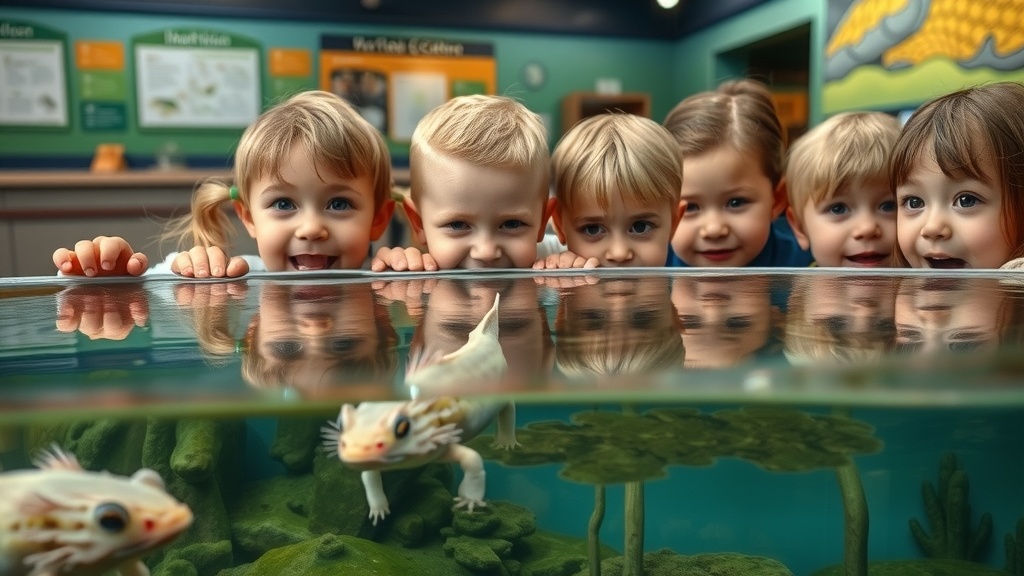
Yes, the Detroit Zoo’s amphibian conservation center is home to axolotls and features a range of endangered species as part of their education and breeding programs. Visitors can marvel at these charming creatures—known for their feathery gills and remarkable regenerative abilities—while learning about ongoing efforts to preserve their populations both in captivity and in the wild.
What are 90% of amphibians?
Approximately 90% of all amphibian species belong to the group comprising frogs and toads. In Detroit, these species play an outsized ecological role but are especially vulnerable to habitat destruction and pollution—making their survival a core priority for amphibian conservation Detroit initiatives.
Is the Detroit Zoo a conservation zoo?
Absolutely. The Detroit Zoological Society has established itself as a leader in conservation, running acclaimed programs ranging from the national amphibian conservation center to on-the-ground restoration of local habitats. These initiatives are a testament to Detroit Zoo’s transformation into a model conservation institution, both educational and action-driven.
The Future of Amphibian Conservation Detroit: Local Voices and National Impact
"The mayor of Amphibiville isn’t the only one with a say—Detroit’s citizens shape the future for amphibians."
- Stay informed about amphibian conservation Detroit news
- Support Detroit Zoological Society campaigns
- Vote for biodiversity-focused local policies
- Share your knowledge in your community
Frequently Asked Questions about Amphibian Conservation Detroit
What species are currently protected through the Detroit Zoo's amphibian programs?
Species including the striped newt , various tree frogs , and the celebrated axolotls are actively part of the Detroit Zoo’s conservation, breeding, and reintroduction programs. These efforts also include work with the critically endangered Wyoming toad, helping build paths to recovery for some of North America’s rarest amphibians.
How can schools participate in amphibian conservation Detroit initiatives?
Detroit-area schools can take part through field trips to the Detroit Zoological Society’s National Amphibian Conservation Center, engaging in hands-on learning experiences and citizen science days. Partnerships with biologists and conservation staff enable students to explore native habitats, learn about the threats facing local amphibians, and participate in restoration and monitoring projects, turning learning into real-world conservation action.
Your Role in Amphibian Conservation Detroit Starts Now
- The Detroit Zoo and Detroit Zoological Society are leaders in amphibian conservation Detroit
- Community action is crucial for the survival of Michigan’s amphibians
- Local engagement can set a nationwide example
Take initiative today—your support is the missing piece in Detroit’s amphibian conservation story.
Stay Connected to Amphibian Conservation Detroit
Stay On Top Of The Latest News And Events In Detroit Click Here
The Detroit Zoological Society (DZS) is at the forefront of amphibian conservation efforts in the region. Their National Amphibian Conservation Center (NACC) is a state-of-the-art facility dedicated to the care, breeding, and research of various amphibian species. The NACC has been instrumental in breeding programs for critically endangered species such as the Wyoming toad and the Puerto Rican crested toad, contributing significantly to their conservation. ( dzs.detroitzoo.org )
In addition to breeding programs, the DZS actively engages the community through initiatives like FrogWatch USA. This citizen science program trains volunteers to monitor local frog and toad populations by identifying their calls, thereby contributing valuable data for conservation efforts. Training sessions are typically held from late January through mid-March, offering residents an opportunity to participate directly in amphibian conservation. ( romi.gov )
Furthermore, the DZS collaborates with international organizations such as the Amphibian Survival Alliance to address the global amphibian crisis. This partnership focuses on protecting amphibians and their habitats worldwide, emphasizing the importance of coordinated conservation actions. ( dzs.detroitzoo.org )
By supporting the DZS’s initiatives, participating in citizen science programs, and advocating for amphibian-friendly policies, Detroit residents can play a crucial role in preserving these vital species and their habitats.


Write A Comment