Add Row
Add Element

Add Element
cropper
update

{COMPANY_NAME}

update
Add Element
  • Home
  • Categories
    • How We Living
    • The Fan Zone
    • Go & Do
    • The 313 Report
    • Detroit Dish
    • Culture City
  • All Posts
  • The 313 Report
  • The Fan Zone
  • Go & Do
  • Detroit Dish
  • Culture City
  • How We Living
July 18.2025
1 Minute Read

Conservation Efforts In Michigan Detroit: The Urgent Truth

Did you know that nearly 40% of Detroit land remains vacant, yet the Metro Detroit area is rapidly becoming a national model for urban environmental renewal? With thriving green spaces, proactive wildlife protection, and an engaged community, conservation efforts in Michigan Detroit demand our immediate attention and action. Discover how the city’s urgent conservation initiatives are reshaping Detroit’s landscape, protecting rare habitats, and empowering residents to safeguard their environmental legacy—while revealing how you can play a direct role in this transformation.

In this article, you’ll learn about Detroit’s most impactful conservation successes, the allies powering these movements, the ongoing challenges facing city neighborhoods, and practical actions you can take right now. From the iconic Detroit River to bustling community tree-planting drives, prepare to see Metro Detroit’s green revolution through a new lens.
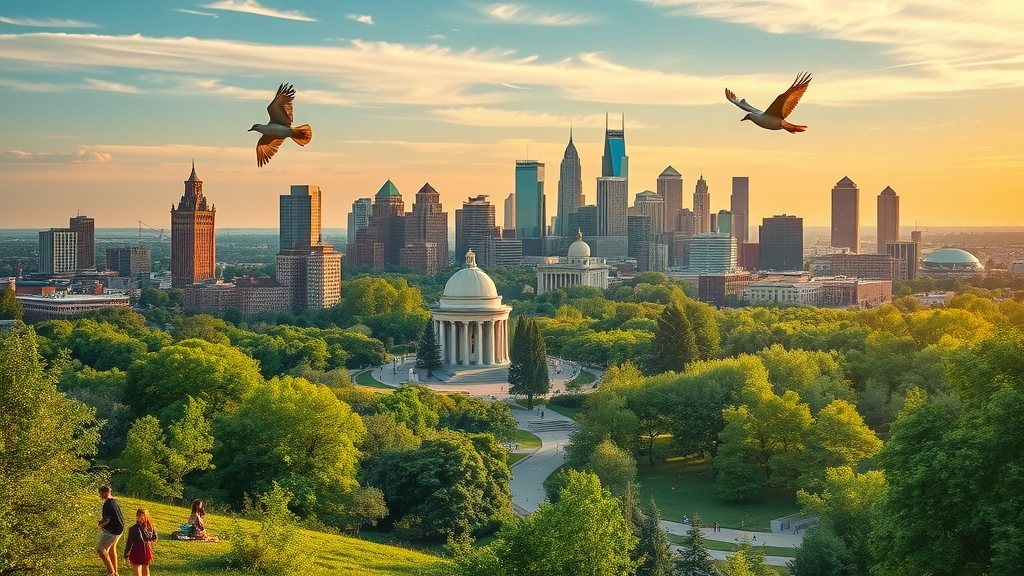
Vibrant Detroit cityscape with flourishing green spaces and community members, conservation efforts in Michigan Detroit, metro detroit skyline, lush parks and birds, golden hour sunlight, highly detailed

The Critical State of Conservation Efforts in Michigan Detroit: Eye-Opening Data You Need to Know

The critical need for conservation efforts in Michigan Detroit becomes clear when you review the data. Urban sprawl, aging infrastructure, lingering pollution, and climate pressures threaten significant portions of Detroit’s greenspace. Despite Detroit’s historic reputation as the “Motor City,” the city is quickly emerging as an advocate for restoring its natural resources for both wildlife and people. With vast swathes of vacant land and public parks averaging higher per capita than most major U.S. cities, there is both a challenge and an immense opportunity to restore balance between urban development and nature, especially in Metro Detroit .

Today’s conservation landscape is shaped by the city’s strong commitment to green infrastructure, large-scale stormwater management projects, and dynamic community engagement . But the stakes remain high: each year, invasive species encroach further into city parks like Belle Isle , native birds and pollinators face dwindling corridors, and local waterways are at risk from runoff and pollution. These urgent realities underscore why collective action and innovative initiatives are vital to ensuring the resilience of Detroit's lands and waters .

  • Detroit has over 9,000 acres of public parks , with many directly benefiting from recent conservation upgrades.
  • 14% of Detroit’s public land is classified as green space, outpacing the U.S. national city average by a wide margin.
  • Comprehensive stormwater management projects remove millions of gallons of runoff annually, reducing local flooding and protecting the Detroit River.
  • Since 2010, over 130,000 new trees have been planted through The Greening of Detroit, rebuilding the city’s urban forest.
  • Belle Isle and the Detroit Riverfront attract over four million visitors per year, reflecting renewed public investment and ecological health.

How Metro Detroit Leads in Conservation Efforts in Michigan Detroit

Metro Detroit is setting a benchmark for urban conservation, blending innovation, restoration, and accessibility. By leveraging partnerships between private funders, the Michigan Department of Natural Resources, local non-profits like the Detroit Riverfront Conservancy, and deeply-rooted community organizations, the region has built a resilient, city-wide conservation movement. These efforts directly address public land revitalization, green infrastructure expansion, and the protection of ecologically sensitive areas across southeast Michigan.

Notably, these conservation efforts are not just about preserving nature—they are about reconnecting people and the city of Detroit to their natural heritage. With initiatives like the Belle Isle Nature Center , hands-on education has taken a central role in fostering stewardship among Detroit’s youth and families. Successful grant programs, innovative wetland restoration, and accessible nature trails are expanding Detroit’s definition of what city living can mean. The impact is tangible: wildlife is returning to historic habitats, flooding is mitigated by green infrastructure, and new generations of Detroiters are growing up surrounded by renewed urban nature.

Key Projects in Metro Detroit Enhancing Conservation Efforts

Several flagship projects exemplify the forward direction of conservation efforts in Michigan Detroit . The Detroit RiverWalk transformation, steered by the Detroit Riverfront Conservancy , has turned neglected industrial stretches into dynamic recreational and ecological corridors. Native grasses, trees, and pollinator habitats line the paths, while popular riverfront parks host events drawing families from across Metro Detroit . Similarly, Belle Isle Park is a living laboratory for restoration, demonstrating how urban islands can balance recreation, biodiversity, and stormwater management.

Community partnerships are fueling smaller projects as well—from schoolyard gardens to neighborhood greenways—impacting both public health and the environment. The integration of art installations, access points for non-motorized water sports, and new playgrounds are making green space both functional and beloved. These ongoing investments reveal a clear strategy: lasting conservation is achieved when residents, businesses, and government unite to transform “vacant” into vibrant, and “industrial” into interactive.

“Approximately 14% of Detroit’s public land is classified as green space—much higher than the national average.” — Detroit Riverfront Conservancy

Detroit River: A Keystone in Conservation Efforts in Michigan Detroit

The Detroit River has been central to the success of conservation efforts in Michigan Detroit—both as a critical wildlife corridor and a hub for community transformation. Once severely polluted by a century of industry, the river’s renewal has become a powerful symbol of Detroit’s environmental comeback. Today, the Detroit Riverfront attracts millions each year for recreation, reflection, and education, while restored marshes and habitats support thriving fish and bird populations.

Strategic riverfront development is a model for integrating people and nature: carefully designed wetlands, native plantings, and green infrastructure provide stormwater management while offering public gathering places. Walkways, cycling routes, and educational signage along the river invite Detroiters and visitors alike to become advocates for the waterway’s future health. This balance between accessibility and ecological stewardship is pivotal in scaling up conservation across metro areas.
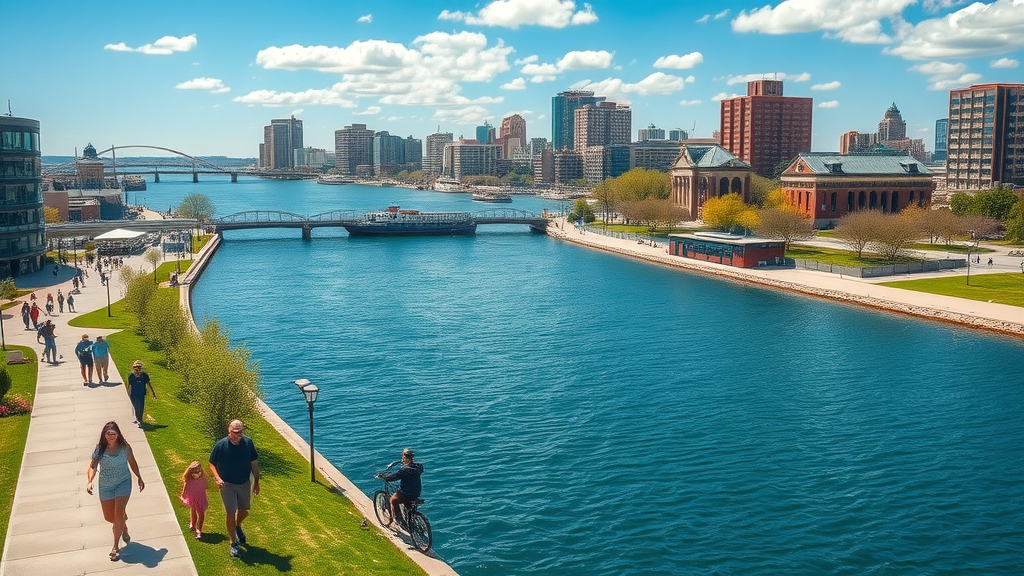
Picturesque Detroit River waterfront with cheerful families and flourishing natural settings, detroit riverfront, cyclists, sparkling river, restoration efforts in Metro Detroit Detroit

Detroit Riverfront and Riverfront Conservancy: Restoration and Renewal

The Detroit Riverfront Conservancy has spearheaded an inspiring transformation of the city’s waterfront. What was once a hazardous, inaccessible industrial shoreline is now a nationally recognized green corridor. The organization’s multi-phase development plan has created over 5.5 miles of trails, verdant parks, repurposed historic sites, and expanded public access to the river. Crucially, these conservation projects mitigate urban heat, filter runoff, and foster diverse wildlife—including migratory birds highlighted in initiatives like “Birds Road Trip.”

Through partnerships with the Michigan Department of Natural Resources, local businesses, and neighborhood groups, the Riverfront Conservancy invites residents to plant new gardens, host river cleanups, and create a public space that bridges the needs of people and nature . Continued expansion, including the revitalization of the Uniroyal Promenade and Valade Park, illustrates a vision for combining environmental justice with outdoor recreation. The riverfront’s restoration is not just about the landscape—it’s about redefining urban Detroit for the next generation.

How The Detroit Riverfront Conservancy Powers Local Sustainability

By integrating modern stormwater management and green infrastructure techniques, the Detroit Riverfront Conservancy sets an example for other urban centers. Rain gardens and bioswales efficiently filter pollutants before they reach the river. Programs to educate the public about water stewardship, recycling, and native habitat support have yielded significant results, including a dramatic uptick in pollinator species and better flood resilience in low-lying areas near the waterway.

The Conservancy’s impact stretches far beyond its own boundaries: they regularly collaborate with schools and community organizations to provide hands-on workshops, environmental education, and internships for Detroit youth. This trickle-down effect ensures that Detroit’s environmental transformation isn’t a one-off improvement but instead a continuous cycle of renewal. With every mile of newly accessible riverfront, the city takes another significant step toward sustainability.

“The Detroit River’s improved water quality now supports a greater diversity of wildlife than at any time in the last 100 years.” — Great Lakes Restoration Initiative

Belle Isle: Conservation Efforts in Michigan Detroit’s Urban Oasis

Regarded as Detroit’s urban crown jewel, Belle Isle delivers on conservation in a remarkable urban setting. As both a city park and a state-managed natural reserve, Belle Isle merges recreation with rigorous preservation of rare wetlands, woodlands, and meadows. Over the past decade, a partnership involving the Belle Isle Nature Center , Friends of Belle Isle, the Michigan Department, and dedicated volunteers has resulted in significant ecological restoration, habitat creation, and the reintroduction of native species.

Belle Isle is more than a weekend escape—it’s a living classroom for Metro Detroit. From programs at the Nature Center to wildlife monitoring and invasive species removal initiatives, the park draws schoolchildren, scientists, and families keen to witness biodiversity in an urban environment. Ecological data gathered here helps shape policy across the city, ensuring key habitats continue to thrive amid the pressures of urban use and climate change.
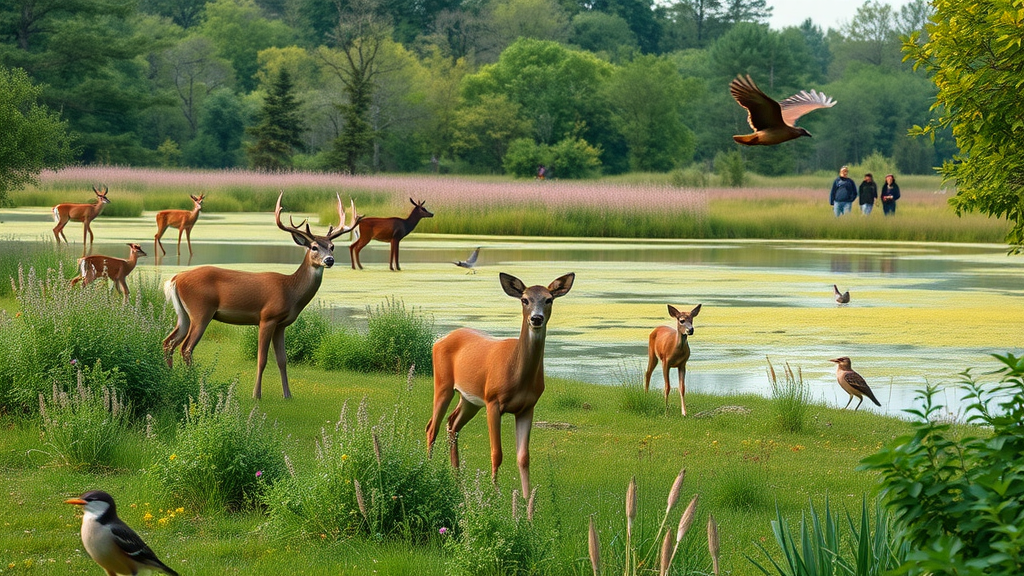
Lush Belle Isle landscape, diverse wildlife and serene visitors, conservation efforts in Michigan Detroit, Belle Isle Nature Center, wetlands and wildflowers, highly detailed, Detroit park scenery

Belle Isle Nature Center: Education and Ecological Impact

The Belle Isle Nature Center is a cornerstone of Detroit’s conservation education. Run by the Detroit Zoological Society, its interactive exhibits and programming connect thousands of visitors each year with the island’s natural history. Kids and adults alike explore aquatic habitats, rare insect displays, and hands-on wildlife rehabilitations. These immersive experiences inspire a stewardship ethic crucial for sustained conservation efforts in Michigan Detroit .

Beyond classrooms, the Nature Center partners with local schools, delivering curriculum-aligned lessons on animal adaptation, water cycle dynamics, and ecological restoration. This direct connection to the local environment sparks passion, curiosity, and a lasting bond between people and nature . The Belle Isle Nature Center’s model is being replicated elsewhere in Metro Detroit, amplifying the region’s commitment to environmental literacy.

Belle Isle Nature: Preserving Rare Habitats & Wildlife

Belle Isle is home to some of southeast Michigan’s rarest ecosystems. The ongoing conservation work protects forested wetlands, upland meadows, and riparian habitats that support an impressive array of birds, amphibians, and pollinators. Volunteers and professional ecologists team up for everything from bird counts to amphibian surveys, ensuring that data informs habitat management strategies and future land use planning.

Restoration at Belle Isle also addresses environmental equity, ensuring access for residents across Detroit. Trail networks, picnic groves, and fishing access blend seamlessly with protected wildlife zones. Programs like the “Birds Road Trip” inspire urban adventurers to observe diverse birdlife, including species only recently returned due to improved water quality and restored ecosystems. The result: Belle Isle stands as a proven template for urban conservation success.

Invasive Species: The Ongoing Threat to Belle Isle and Detroit’s Green Spaces

Invasive species challenge the health of Detroit’s parklands and urban nature reserves. Species such as emerald ash borer, phragmites, and garlic mustard can outcompete native plants, degrade habitats, and destabilize food chains. Belle Isle has been a focal point for citywide invasive species management projects—employing manual removal, biological controls, and public awareness campaigns to restore resilience to these precious local ecosystems.

City-wide, volunteers work in tandem with conservation professionals to spot, report, and remove invasive populations, sometimes even leading community science projects. The vigilance against these threats is a testament to Detroit’s commitment to balancing access with protection. Addressing invasive species on Belle Isle and across natural spaces requires sustained community engagement and innovative restoration techniques—and remains ongoing.

Belle Isle Conservation Successes (2019-2024)
Key Metric 2019 2024 Notable Achievement
Native Trees Planted 2,000 8,500 Quadrupled tree coverage with community involvement
Invasive Species Removed (sq. ft.) 45,000 130,000 Sustained habitat management, expanded monitoring
Annual Wildlife Species Counted 185 225 Greater wildlife diversity, incl. new bird/mammal species
Environmental Education Attendees 14,000 32,000 Broadened outreach via Nature Center partnerships

Protecting and Expanding Green Space: Detroit’s Urban Forests and Parks

Green spaces are the lungs and heart of a healthy city, and conservation efforts in Michigan Detroit have made ambitious headway in protecting and expanding Detroit’s urban forests and parks. Across Metro Detroit , collaborative initiatives have preserved remnant woodlands, converted vacant lots into thriving community parklets, and created greenways that crisscross neighborhoods previously lacking easy access to nature. These “patches of green” are more than recreational amenities—they’re vital for stormwater management, urban cooling, wildlife movement, and public health.

The city of Detroit has implemented expansive tree-planting drives, particularly through The Greening of Detroit, with a strong focus on under-served neighborhoods. The programs link residents with resources and training to steward trees and gardens, ensuring lasting care. Partnerships between schools and non-profits add green infrastructure and science education, uniting generations around a shared mission to value and protect natural resources—positioning Detroit as a rising model for green, resilient midwestern cities.

  • Over 130,000 new trees planted since 2010, targeting areas with heat vulnerability
  • 22 new city parklets and 8 miles of greenway trails installed citywide since 2018
  • Comprehensive stormwater management improvements capture runoff from 200+ acres annually
  • Active collaboration with residents to design and maintain new green spaces
  • Ongoing investment in urban forestry education and job training

The Role of Great Lakes Ecosystem in Conservation Efforts in Michigan Detroit

The Great Lakes basin is not just a backdrop for Detroit—it is the engine of regional biodiversity, drinking water, and economic vitality. Conservation efforts in Michigan Detroit are deeply intertwined with the goals of broader Great Lakes restoration. City and federal agencies have directed resources toward shoreline restoration, wetland revival, and pollution reduction projects, aiming for holistic ecosystem health across the entire watershed. These efforts are critical, as Detroit sits at the heart of a unique confluence where river, lake, wildlife, and community intersect.

By restoring coastal wetlands and reinvigorating native plant communities, these projects buffer the urban environment from flooding, filter pollutants before they enter the lakes, and create “green corridors” supporting both people and migratory wildlife. Initiatives like the Great Lakes Restoration Initiative have measurable impacts: Detroit now boasts cleaner water, flourishing marshes, and increased populations of native turtles, fish, amphibians, and birds. The result is restoration not only of nature, but of civic pride and opportunity for current and future generations.

Great Lakes-Basin Restoration Projects Impacting Metro Detroit

Within metro Detroit, basin restoration projects include the daylighting of buried streams, large-scale wetland plantings, shoreline stabilization, and coordinated efforts to reduce urban runoff. Urban planning now incorporates “natural infrastructure” strategies—bioswales, retention ponds, and green buffers—to support the natural water cycle. Educational programs use these projects as living science labs for youth, linking the classroom to the field and cultivating environmental leadership.

These projects don’t only help wildlife; they create more resilient cityscapes able to withstand climate stresses like heavy rainfall and urban heat waves. Community involvement in these projects is crucial—volunteers monitor water quality, plant wetland species, and help shape green policy. As Detroit’s population rebounds and land use intensifies, keeping the Great Lakes’ health at the forefront of city planning remains one of the region’s most important conservation efforts.
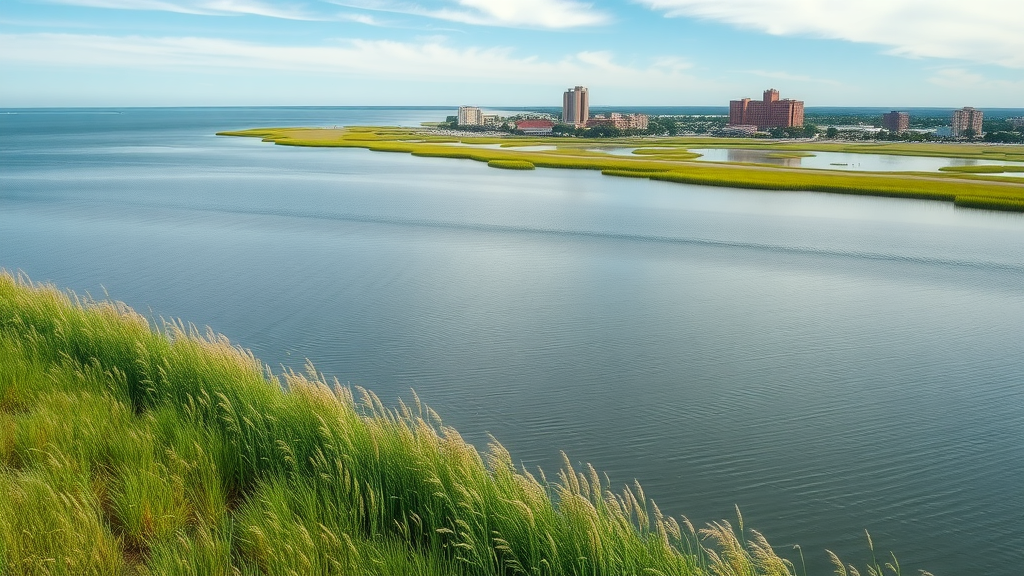
Panoramic view of Great Lakes coastline near Detroit, thriving wetlands, local flora and wildlife, highly detailed, conservation efforts near Metro Detroit

Isle Nature Centers: Interactive Conservation Learning in Detroit

Interactive, place-based education is at the core of transformative conservation efforts in Michigan Detroit . Detroit’s Isle Nature Centers —especially the Belle Isle Nature Center and others across southeast Michigan—provide year-round opportunities for residents and visitors to immerse themselves in hands-on science, wildlife watching, and restoration activities. These centers are critical for building environmental literacy and equipping Detroiters of all ages with the knowledge to become active stewards of their natural spaces .

Through guided hikes, habitat restoration workshops, animal encounters, and youth leadership programs, the Isle Nature Centers cultivate a shared sense of responsibility for Detroit’s lands and waters. These efforts directly contribute to reversing biodiversity loss, resisting invasive species, and fostering the curiosity of young scientists who will shape Metro Detroit’s future environmental landscape.

Isle Nature Center and Belle Isle Nature Center: Hands-On Opportunities

Both the Isle Nature Center and the Belle Isle Nature Center provide exceptional access to field-based conservation learning. On-site restoration projects, wildlife research, and sustainable gardening teams engage everybody from neighborhood school groups to aspiring ecologists. The centers are regional models for how interactive programming can drive both ecological and social impacts—giving Detroiters the experience and inspiration to make a difference in their city’s natural future.

Specialized workshops on bird monitoring, amphibian tracking, and pollinator gardening expand environmental education from the classroom to real world application, uniting generations of learners in a common mission. With each family event or volunteer session, Detroit’s culture of environmental stewardship grows stronger, helping to ensure lasting momentum behind the city’s conservation programs.

How You Can Make a Difference: Supporting Conservation Efforts in Michigan Detroit

No conservation movement succeeds without community action. Whether you’re an avid volunteer, a first-time park visitor, or simply passionate about Detroit’s environmental legacy, there are practical ways you can make a difference in the ongoing transformation of metro Detroit. By getting involved, you support cleaner water, robust wildlife habitats, new green spaces, and a stronger sense of civic pride. Detroit’s journey shows that grassroots activism, combined with strategic leadership, is fueling some of the Midwest’s most exciting conservation wins.

  • Volunteer for city clean-ups, habitat restoration, or tree-planting events at parks, including Belle Isle
  • Join guided programs at the Belle Isle Nature Center or your local Isle Nature Center
  • Support local conservation groups through fundraising or advocacy on important policy issues
  • Practice sustainable habits at home—reduce plastic, recycle, support local ecology by planting native species
  • Educate friends and family on Detroit’s conservation initiatives and the value of green space
  • Sign up for environmental news and event updates from trusted local sources

Environmental Issues in Detroit Michigan: Challenges to Conservation Success

Despite inspiring progress, several challenges threaten the success of conservation efforts in Michigan Detroit . Pollution, brownfields, legacy industrial sites, and inequitable access to nature persist—especially in low-income neighborhoods. Environmental justice advocates continue to push for more robust remediation and equitable resource distribution. Additionally, climate change increases the frequency of heavy rainfalls and heat waves, straining older infrastructure and natural systems alike.

City leaders and partner organizations are investing in large-scale remediation, tighter pollution controls, and new policies prioritizing green space for all. But meaningful change requires constant vigilance and community input. Detroit’s ongoing struggle for environmental justice spotlights the interconnectedness of people, nature, and health—and the need for a sustained commitment to restoration.
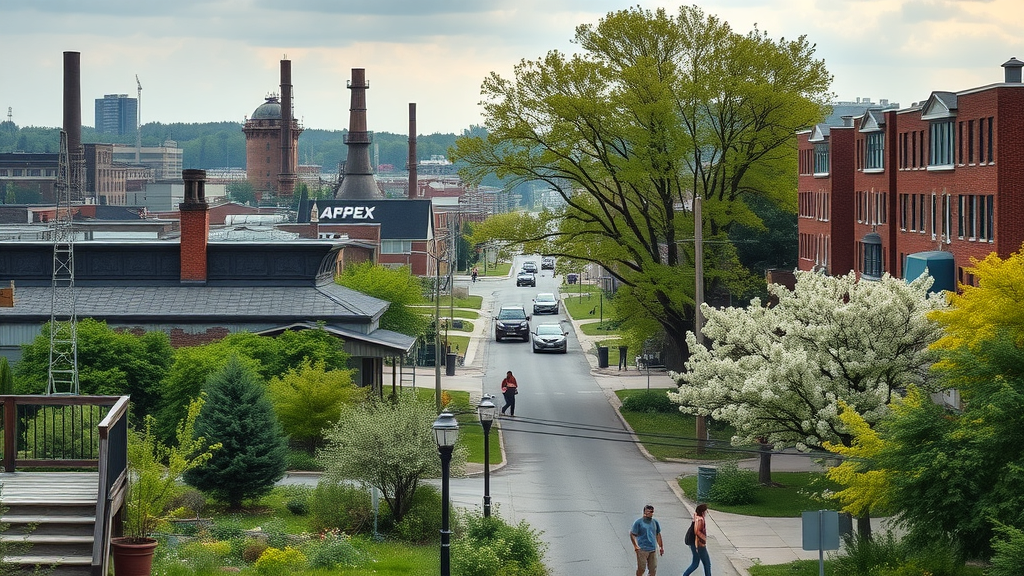
Contrasting Detroit neighborhood, pollution beside rejuvenated green spaces, community clean-up, conservation efforts in Michigan Detroit, environmental challenges and renewal, highly detailed

What are the environmental issues in Detroit Michigan?

Environmental Justice, Pollution, and Restoration Efforts

The environmental issues in Detroit include air and water pollution from legacy industry, brownfields contaminating soil, inequitable distribution of green space, and the threats of climate change—such as flooding and urban heat. In recent years, conservation efforts have begun to address these challenges through brownfield remediation, expanded parks, and policy reforms aiming for environmental justice across all neighborhoods. Restoring access to safe, natural spaces is key to public health and Detroit’s long-term resilience.

Efforts led by city agencies, nonprofits, and passionate community members are making tangible improvements. Still, Detroit faces unique hurdles as it modernizes old infrastructure and remedies historical environmental harm. Community engagement remains pivotal in driving further restoration and holding decision-makers accountable to shared green goals.

Is the Detroit Zoo a Conservation Zoo?

Detroit Zoo’s Proactive Role in Conservation Efforts in Michigan Detroit

Yes—the Detroit Zoo is renowned not just for animal exhibits but for active participation in local and global wildlife conservation. Programs run by the zoo directly support research, species reintroductions, invasive species management, and habitat restoration throughout Metro Detroit . The Belle Isle Nature Center, managed by the Detroit Zoological Society, further extends the zoo’s impact by providing direct field-based learning for thousands of children and adults every year.

The zoo’s proactive role includes working with conservation partners to help protect threatened amphibians, native pollinators, and even regional turtle species. By blending education, research, and outreach, the Detroit Zoo exemplifies how city zoos can serve as conservation catalysts, supporting the health and diversity of local ecosystems and inspiring public stewardship well beyond their borders.

What is the mission of the Greening of Detroit?

Urban Forestry and Community Engagement Driving Conservation

The mission of The Greening of Detroit centers on restoring Detroit’s urban tree canopy, transforming vacant land, and building environmental equity through community engagement . By training residents in tree planting and stewardship, offering green jobs programs, and connecting neighborhoods with nature, The Greening of Detroit drives sustainable change from the ground up. Their vision is a city where everyone enjoys the benefits of robust green infrastructure and renewed natural spaces.

Working in partnership with schools, government, and local businesses, The Greening of Detroit has made remarkable inroads in reforesting the city. Each new sapling not only cools hot city streets and filters the air but also fosters a sense of community pride and intergenerational stewardship. Encapsulating the spirit of Metro Detroit , the organization continues to build urban resilience by connecting people directly to conservation work.
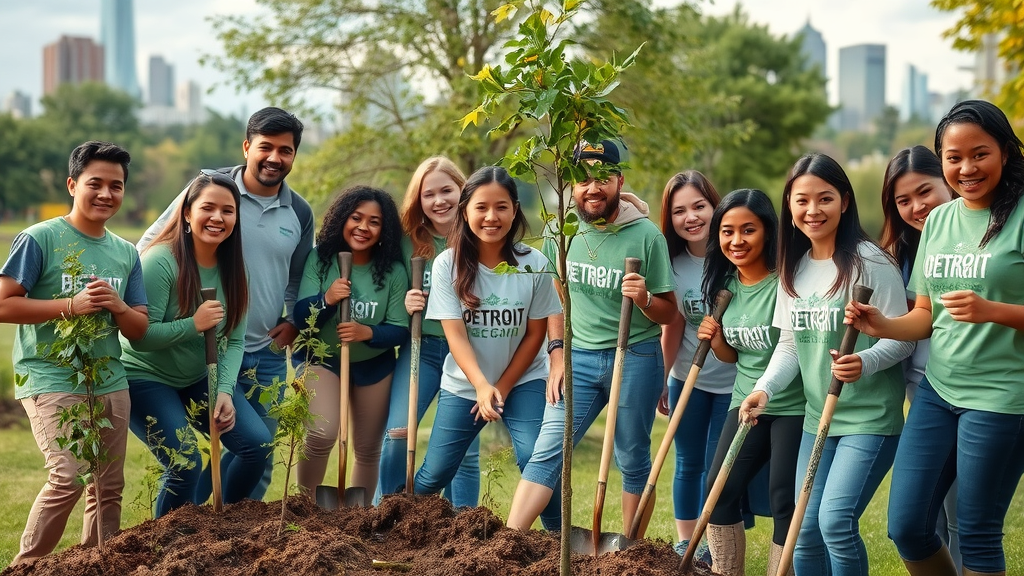
Community tree planting event, Detroit volunteers planting saplings, urban park with skyline in background, conservation efforts in Michigan Detroit, community engagement and teamwork, highly detailed

Is Detroit starting to recover?

Environmental Recovery as a Pillar of Detroit’s Rebirth

Absolutely—environmental recovery is at the heart of Detroit’s transformation. While economic and social revitalization are main headlines, the return of wildlife, blooming natural spaces, and thriving community parks are building a new narrative for the city. Green infrastructure and conservation investments have contributed to increased resilience, improved air and water quality, and greater public engagement. As Detroit rebuilds, the restoration of both people and nature is setting the stage for a sustainable, vibrant future.

This recovery is not finished, but the progress is real: from the Detroit Riverfront’s rebirth to Belle Isle’s ecological renaissance, each project proves that Detroit’s healing includes both its communities and its landscapes.

Frequently Asked Questions on Conservation Efforts in Michigan Detroit

How does riverfront development contribute to conservation efforts in Michigan Detroit?

Riverfront development in Detroit incorporates native plantings, wetlands restoration, and green infrastructure to manage stormwater and create wildlife corridors. This not only supports environmental health—by filtering pollution and cooling the city—but also enhances public recreation and learning, making riverfront parks vibrant urban nature preserves.

What wildlife benefits from Detroit’s green space initiatives?

Initiatives to restore green spaces and expand urban forests have increased the diversity of songbirds, pollinators, amphibians, and small mammals in Detroit. Monarch butterflies, wood ducks, herons, turtles, and even threatened native bee species are among the wildlife directly benefiting from enhanced habitats and cleaner waterways.

How can volunteers get involved in metro Detroit conservation programs?

Metro Detroit offers year-round volunteer opportunities such as park clean-ups, invasive species removal, tree planting, and citizen science projects. Residents can join events hosted by the Detroit Riverfront Conservancy, The Greening of Detroit, Belle Isle Nature Center, and other local organizations—contributing time, skills, and enthusiasm to conservation success.

Why Taking Action Matters: The Future of Conservation Efforts in Michigan Detroit

Sustaining Momentum: Community and Policy Engagement

Staying involved in conservation efforts in Michigan Detroit helps build a healthier, greener, and more equitable city. Your participation—whether through policy advocacy, volunteering, or education—ensures community-driven restoration continues. Residents who make action a habit help Detroit set an example for resilient, sustainable, and nature-rich urban living in America.

  • Cleaner air and water for every Detroit community
  • Expanded wildlife corridors and healthy, growing populations of native species
  • Resilient city infrastructure ready for climate change
  • Access to natural spaces for recreation and learning
  • Stronger connections between people and their city’s natural resources

Ready to Make a Difference? Stay On Top Of The Latest Detroit News and Events

Click Here to Join Detroit’s Conservation Community and Get Involved – https://detroitdailybuzz.com/signup

Take your first step—subscribe for news, updates, and event invites that empower you to help shape Detroit’s conservation future today!

Detroit’s commitment to environmental renewal is exemplified by initiatives like the Joe Louis Greenway, a 27.5-mile urban trail connecting over 23 neighborhoods to promote non-motorized transportation and environmental sustainability. ( en.wikipedia.org ) Additionally, the Detroit Black Community Food Security Network operates D-Town Farm, a seven-acre urban farm growing over 30 types of fruits and vegetables to combat food insecurity and promote food sovereignty. ( en.wikipedia.org ) These efforts highlight the city’s dedication to revitalizing green spaces and fostering community engagement in conservation.

How We Living

2 Views

0 Comments

Write A Comment

*
*
Related Posts All Posts
07.18.2025

Detroit Environmental Initiatives Detroit You Can Join Today

Did you know that Detroit is now recognized among the top U.S. cities for rapid green space expansion, outpacing cities like Chicago and New York? Once famed as the Motor City, Detroit is transforming from an industrial giant to an epicenter of environmental stewardship and grassroots action. Residents, organizations, and the city government are collectively redefining what sustainability looks like in an urban setting—unleashing a movement for cleaner air, public health, and community-driven climate action. Read on to discover how Detroit environmental initiatives Detroit are creating impact, and how you can play a role in making Detroit a greener, healthier place for all. Did You Know? Detroit Ranks Among U.S. Cities with the Fastest-Growing Green Space Expansion Detroit’s landscape is undergoing a remarkable evolution. Recent city data reveals that Detroit is among the national front-runners for green space growth—surpassing many of its midwestern peers. What does this mean for the average Detroiter? Expanded green spaces translate directly to improved air quality , new job opportunities in green sectors, and a substantial boost in quality of life for local families. Once characterized by vacant lots left from industrial decline, many neighborhoods are now being regenerated into thriving, accessible parks and community gardens. This transformation not only reconnects residents to nature but also reduces greenhouse gas emissions and offers new platforms for urban agriculture . With every acre reclaimed for biodiversity, Detroit sends a powerful message: the Motor City can lead the way in action plan implementation and sustainable renewal. Beyond aesthetics and recreation, increasing urban greenery is also about resilience. By expanding green infrastructure , Detroit mitigates stormwater runoff, curbs heat islands, and brings together community members around shared projects—from tree planting drives to public space design. In a city navigating historical challenges, these environmental initiatives symbolize hope and collective progress. Detroit Environmental Initiatives Detroit: Empowering Citizens and Reimagining the Motor City The scope and impact: Explore how Detroit environmental initiatives Detroit transform neighborhoods, foster sustainability action, and drive climate change solutions. Key contributors: Learn who the key players are—including the Office of Sustainability , nonprofit organizations, grassroots groups, and everyday residents. Get involved: Understand how you can contribute directly—from volunteering in urban agriculture projects to championing environmental justice in your community. Current action plans: Delve into the city’s evolving action agenda tackling Detroit climate challenges and targeting public health improvements. Benefits to health and air quality: Discover the positive effects of green initiatives on air quality and wellness throughout the city of Detroit. Why Detroit Environmental Initiatives Detroit Matter: A Personal Perspective The drive for environmental transformation in Detroit isn’t just a policy goal—it’s deeply personal for the city’s residents and leaders. Many Detroiters have witnessed the legacy of pollution, the struggles for clean water, and the toll of industrial decline firsthand. What’s different today is a resilient, united community determined to right historical wrongs and build a thriving, green future. Enhancing green space , improving air quality , and expanding urban agriculture are more than technical fixes—they represent healing, empowerment, and opportunity. As residents reclaim vacant lots and revitalize neighborhoods, their efforts ripple outward, inspiring a new vision for what a modern, sustainable Motor City can be. This vision is not limited to environmentalists or policymakers. It calls on business owners exploring renewable energy , educators connecting the youth to climate action, and parents advocating for cleaner air in school zones. Each segment of society, by engaging in sustainability action agenda efforts, helps make Detroit a model city—one where environmental justice and innovation are inseparable. This is community engagement at its best, creating a legacy that goes well beyond city borders. "The resilience of Detroiters is reflected not just in our history, but in how we are building a cleaner, greener future together." Climate Action and Action Plan: How Detroit Climate Strategies Align with Global Goals Detroit isn’t acting in isolation—its climate action plans are intentionally designed to work in harmony with international frameworks like the Paris Agreement. With the adoption of a bold climate action plan , the city prioritizes the reduction of greenhouse gas emissions , increases renewable energy deployment, and doubles down on energy efficiency. The Office of Sustainability leads this work, crafting strategies that fit Detroit’s unique landscape and culture. Importantly, this action plan is less about lofty promises and more about targeted, measurable, and inclusive progress—ensuring marginalized neighborhoods, workers, and youth all have a role in the new green economy. Collaboration is central. Partnerships with universities, local governments, and the business sector help advance Detroit climate strategies while also unlocking resources for grassroots projects. From electrifying public transportation fleets to investing in advanced recycling bin technology, every action is mapped to both global and local needs. Detroit’s focus on community-driven climate action isn’t just proactive—it sets the city up as a global trailblazer for sustainable urban redevelopment. Comparison of Detroit Environmental Initiatives Detroit vs. Other Major Cities City Climate Action Plan Urban Agriculture Programs Green Space Growth Community Engagement Detroit Yes Robust Rapidly expanding High Chicago Yes Moderate Expanding Moderate New York Yes Moderate Stable Moderate Los Angeles Yes Strong Expanding High The Role of the Office of Sustainability in Detroit Environmental Initiatives Detroit At the core of Detroit’s transformation stands the city’s Office of Sustainability . This small but mighty team is charged with turning climate ambitions into everyday reality. From leading the city’s climate action plan to managing cross-departmental coordination, the Office sets standards that influence everything from building codes to transportation options. They are also responsible for performance tracking, ensuring that climate pledges translate into real-world improvements—particularly in communities carrying the brunt of environmental burden. The Office of Sustainability doesn't simply guide policy; it builds buy-in across agencies, businesses, and the public sector, ensuring a truly city-wide approach to climate action. Transparency and engagement are cornerstones of their philosophy. The Office holds public forums, releases annual progress reports, and solicits feedback for continuous improvement. This participatory approach not only demystifies complex topics—like greenhouse gas inventories or the benefits of green infrastructure—but it directly empowers Detroiters to shape a cleaner future. How the Office of Sustainability Sets Detroit Climate Policy Detroit’s sustainability action agenda relies on science-driven, community-informed policy development. The Office leverages local data and collaborates with experts to identify Detroit’s top priorities—be that improving air quality , advancing clean water access, or deploying renewable energy technologies. Stakeholder input, from neighborhood councils to environmental justice advocates, is fundamental. These policies are not only public-facing but also guide internal city operations: green procurement, fleet electrification, and building retrofits are just a few highlights from the expanding playbook. This approach ensures that overarching climate change solutions reflect on-the-ground realities, allowing Detroit to set a precedent for cities worldwide on integrating environmental justice concerns in official action plans. Community Engagement Through Detroit Environmental Initiatives Detroit Community engagement is at the heart of every successful sustainability initiative. The city’s programs invest in neighborhood workshops, youth ambassador training, and resident-driven planning projects. From urban farmers to high school climate leaders, all are invited to contribute ideas and solutions. Volunteers are critical as well, aiding everything from tree planting to maintenance of raised garden beds. This hands-on involvement helps identify unique local needs and fosters widespread support. More than policy, these efforts create a culture of stewardship and a united front against environmental concern. Crucially, community engagement in Detroit bridges gaps between academic research, policy, and local wisdom, transforming complex science into everyday language and practical action for all residents. Environmental Justice: Addressing Inequity in Detroit Environmental Initiatives Detroit Too often, the harshest impacts of pollution and climate change fall unequally on Detroit’s most vulnerable populations. Environmental justice is more than a slogan—it’s a commitment to ensuring communities of color, lower-income neighborhoods, and longtime residents benefit first from new investment and green infrastructure. Detroit’s policy leaders work hand-in-hand with nonprofits and activists to direct resources—like affordable retrofitting, improved public transportation options, and clean energy installations—to those who need them most. This commitment stands at the center of every action agenda . Redressing disparities in air quality or green space access doesn’t happen overnight. It demands continuous feedback, transparent metrics, and true partnership. Detroit’s targeted environmental justice programs—funded in part by public/private collaborations and profit organizations—demonstrate that climate action can be a powerful lever for social equity and improved public health. Case Study: Bridging Gaps in The City of Detroit In the city of Detroit’s North End and Southwest neighborhoods, years of advocacy have delivered remarkable results. Community members, together with non-profit partners, repurposed vacant lots for urban farming, and launched air quality monitoring networks. These neighborhood-driven programs reflect a new model: rather than waiting for outside intervention, Detroiters themselves are catalyzing the transformation. Such engagement not only delivers tangible improvements in air quality and public health but also empowers youth and elders alike to take pride in their neighborhoods. By prioritizing equitable resource allocation, Detroit builds a path toward inclusive, sustainable development—one that other cities increasingly look to emulate. "Environmental justice isn't just about reducing emissions—it’s about ensuring everyone in the city of Detroit breathes cleaner air and enjoys healthier lives." Public Health, Air Quality, and Climate Change: Detroit’s Interconnected Challenges Climate change, air quality, and public health are inseparable in Detroit. High asthma rates, heat waves, and legacy industrial pollution have long impacted daily life and economic opportunity. As Detroit launches ambitious environmental initiatives , these interconnected crises are tackled together—not as isolated issues, but as symptoms of larger, systemic challenges. Addressing greenhouse gas emissions and cleaning up local waterways can spark measurable health benefits, especially among children and elderly residents. Detroit’s action agenda is designed for these outcomes: leveraging climate initiatives to accelerate health equity and resilience city-wide. From increasing green space to deploying air quality sensors, the city’s approach is practical and urgent. Improved air quality means fewer missed school days, reduced healthcare costs, and a more dynamic workforce. As Detroit meets these challenges head-on, it demonstrates that strong climate leadership is the foundation of a healthier, more vibrant community. How Detroit Environmental Initiatives Detroit Improve Air Quality Air quality in Detroit is improving thanks to data-driven interventions and robust community engagement. By focusing on fleet electrification, cleaner building standards, green space expansion, and advanced monitoring, the city slashes emissions from traditional sources while restoring natural air filters—namely, trees and green corridors. Special programs target school zones, industrial corridors, and public housing areas, maximizing impact where it’s needed most. Partnerships with universities and the EPA supply Detroiters with real-time data, empowering them to make choices for their own families’ health and safety. This success is also a testament to the willpower of residents and local profit organizations, who continue to advocate for strict enforcement of air quality standards and broader access to tools like home HEPA filters and energy-saving upgrades. Connecting Public Health Outcomes to the Detroit Climate Action Plan Detroit’s climate action plan goes beyond emission reductions, directly tracking metrics linked to public health . Key initiatives—ranging from safe routes for walking and cycling to greening vacant lots—contribute to fewer respiratory illnesses and diminished urban heat. Health clinics, schools, and recreation centers collaborate with the Office of Sustainability to provide education, screenings, and resources tailored to the city’s diverse needs. By making public health a centerpiece of climate planning, Detroit ensures that healthier living is a primary outcome, not a collateral benefit, of environmental progress. Urban Agriculture and Green Space: Greening the Motor City From the ashes of the Motor City’s industrial decline, an urban farming revolution has taken root. Thanks to robust urban agriculture programs, Detroit leads the nation in community food systems, turning previously vacant lots into sources of fresh produce and neighborhood pride. These initiatives supply healthy food, provide job training, and foster partnerships with schools and local businesses for ongoing sustainability. Community gardens, rooftop greenhouses, and market stands are now familiar sights across Detroit—each a testament to resilience, creativity, and shared stewardship. Green space isn’t just about aesthetics; it’s about climate mitigation, community health, and a renewed local economy. These growing spaces connect neighbors, offer cool refuges in summer, and even help filter pollutants from stormwater before they reach the Great Lakes. In Detroit, urban agriculture is as much a symbol of hope as it is a practical tool for survival and growth. Innovative Urban Agriculture Programs in Detroit Environmental Initiatives Detroit Detroit’s approach to urban agriculture is characterized by partnership, technology, and equity. Programs blend high-tech hydroponics with traditional gardening, support aspiring farmers of all ages, and create direct-to-market networks that benefit both growers and consumers. These enterprises also bridge community health and environmental concern by ensuring affordable, pesticide-free food in areas previously classified as food deserts. Through creative land trusts, long-term land access is secured for these critical community assets, ensuring that changes are long-lasting and truly community-owned. Other cities are now studying Detroit’s model—proving that a city built by industry can be rebuilt, beautifully, by the hands of its own residents. Urban farming provides not only clean food but also a platform for climate action, youth empowerment, and neighborhood revitalization. Transforming Abandoned Lots into Community Green Spaces Vacant lots once symbolized loss in Detroit; now, they are anchors for renewal. Supported by grants, non-profit partnerships, and grassroots determination, these underutilized spaces have been reimagined as playgrounds, orchards, rain gardens, and pollinator havens. Local artists partner with environmental groups to design welcoming public art, transforming each project into a source of neighborhood pride and resilience. This dual focus—beautification and ecosystem restoration—strengthens both the social and ecological fabric of Detroit. By restoring more than 1,000 acres of vacant lots in the last decade alone, Detroit sets a gold standard for cities tackling blight with creativity and inclusivity. Each new green space provides direct benefits like lower street-level temperatures, reduced flood risk, and improved safety, while giving Detroit residents a new sense of ownership and belonging. Regeneration in the City of Detroit: Lessons from Recent Projects The regeneration of Detroit stands as an ongoing case study in how proactive environmental initiatives can rewrite a city’s destiny. Recent projects include everything from large-scale solar installations to block-by-block planting campaigns and sustainable transportation options. One striking lesson is the power of cross-sector partnership: collaboration among government, profit organizations, philanthropies, and grassroots groups drives not just new projects but culture shift as well. Most significant is the city’s sustained commitment to measuring outcomes—learning, iterating, and rapidly scaling up what works best. Regeneration in Detroit is not about a single win—it’s about establishing models, resources, and relationships that ensure resilience for generations to come. This sustained, innovative energy firmly cements Detroit’s place as a national leader in climate action and urban renewal. The Impact of Environmental Initiatives on The Motor City’s Renewal Detroit environmental initiatives Detroit have become critical to the city’s broader success. By tying economic recovery to environmental justice and sustainability action agenda goals, Detroit has diversified its job market, enhanced the livability of its neighborhoods, and provided a new sense of unity among its people. Cleaner air and thriving green corridors have attracted new businesses and inspired long-time residents to stay and invest. Ultimately, each successful project proves that sustainable regeneration is not only possible—but inevitable—when a city listens to and empowers its own citizens. The revitalized Motor City is not just surviving; it’s thriving, with a sense of purpose that radiates through every replanted lot, upgraded building, and community assembly. The impact is clear: when cities put people and the planet at the center of policy, true transformation follows. People Also Ask: What is the Detroit 2030 plan? The Detroit 2030 plan is a comprehensive climate action and sustainability initiative—and here’s what makes it effective. The Detroit 2030 plan represents the city’s commitment to achieving net-zero greenhouse gas emissions, prioritizing equity, and fostering resilience through coordinated sustainability strategies. By focusing on actionable metrics, such as reduced gas emissions, clean water accessibility, large-scale renewable energy shifts, and expansion of green space, the plan marks out a clear path for Detroit climate success. Its robust community engagement framework ensures that every resident—from students to elders—has opportunities to participate, provide feedback, and benefit directly from the plan’s outcomes. As a model for climate action, the Detroit 2030 plan stands out for its inclusiveness, accountability, and focus on measurable, public health-linked results. People Also Ask: What is being done to regenerate Detroit? Regeneration efforts focus on environmental justice, green infrastructure, and community-driven development across Detroit environmental initiatives Detroit. Detroit’s regeneration efforts center around remediating legacy pollution, transforming vacant lots, investing in green infrastructure, and elevating community voices. By funding neighborhood-scale projects like affordable housing retrofits, greenways, and urban agriculture parks, the city is addressing historic environmental concerns while opening new doors for economic development. These regeneration projects are coordinated through public/private partnerships, and leverage both local and federal funds to maximize reach. Importantly, the city’s approach emphasizes sustainability action alongside cultural preservation, making sure new investments respect Detroit’s proud identity and deep community roots. People Also Ask: What are the environmental issues in Detroit? Detroit faces air quality challenges, legacy industrial pollution, urban sprawl, and equitable access to green space—discover how Detroit environmental initiatives Detroit address these. Historically, Detroit has grappled with significant air quality problems, contaminated waterways, hazardous waste, and inequitable distribution of green space . These issues stem from decades of heavy manufacturing and auto industry dominance, followed by years of depopulation and disinvestment. Today, comprehensive detroit environmental initiatives Detroit combat these challenges through remediation, new land-use policies, and major investments in clean energy and transportation. The transformation is holistic: everything from pollution prevention to robust recycling bin programs receives city and community attention. As a result, the city is seeing not only an improvement in environmental health but also a renewed sense of optimism and collective pride. People Also Ask: What is the Greening of Detroit program? The Greening of Detroit is a flagship urban agriculture and green space program that advances both climate action and public health. As one of the city’s most celebrated environmental initiatives, the Greening of Detroit program is dedicated to tree planting, vacant lot transformation, and environmental education. Functioning as both a nonprofit and strategic partner to the city, the program mobilizes thousands of volunteers annually to expand Detroit’s tree canopy, restore parkland, and promote sustainable, climate-friendly gardening practices. Through this work, the Greening of Detroit supports community resilience, reduces heat islands, improves air quality, and provides engaging outdoor educational opportunities for all ages. The program is routinely cited as a model for how local action can contribute to large-scale climate action and public health benefits. How to Get Involved in Detroit Environmental Initiatives Detroit: Step-by-Step Guide Identify initiatives or community groups that align with your passions Attend public forums and sustainability events in the city of Detroit Volunteer for tree planting, urban agriculture, or environmental justice campaigns Stay informed by following the Office of Sustainability’s updates Join neighborhood workshops and partner with local businesses Taking part in Detroit’s environmental renaissance is accessible and rewarding. Begin by connecting with organizations at the forefront of the movement—like the Greening of Detroit, local block clubs, or city offices supporting the action plan . Attend public events to hear directly from city planners, scientists, and activists. Volunteering, whether for a one-day clean-up or ongoing urban farming, allows you to make an immediate difference while building a sense of community. Stay engaged with city updates and encourage friends and family to join in—collective action amplifies each individual’s impact. And finally, consider starting your own initiative or joining local green business networks, ensuring Detroit’s climate and sustainability action agenda is both inclusive and unstoppable. Frequently Asked Questions about Detroit Environmental Initiatives Detroit What are the most effective climate action programs in Detroit? Detroit’s most effective climate action programs include widespread tree planting, the Greening of Detroit urban agriculture projects, electrification of city vehicles, and robust home energy efficiency upgrades. These programs stand out for their measurable impact on air quality, sustainability, and public health. How do Detroit environmental initiatives Detroit influence city planning? These initiatives inform city planning by shaping zoning laws, transportation priorities, and capital investments. The Office of Sustainability integrates public and stakeholder feedback into every stage, ensuring new developments align with climate and equity goals. Who funds and administers Detroit climate resilience projects? Funding is provided by a mix of local government allocations, federal grants, philanthropic organizations, and public-private partnerships. The city’s climate resilience projects are typically administered by departments in conjunction with non-profits and the active participation of Detroit residents. Where can I find real-time data on air quality in Detroit? You can access real-time air quality data via Detroit’s official Office of Sustainability website, through EPA databases, and with new community-based air monitoring networks installed throughout the city. Key Takeaways: The Lasting Impact of Detroit Environmental Initiatives Detroit Detroit’s environmental initiatives are turning the city into a national model for climate action, public health, and regeneration—driven by relentless community engagement, robust policy, and a clear action agenda . The journey continues as every resident seizes the chance to build a stronger, greener, and more inclusive Motor City. For the Latest on Detroit Environmental Initiatives Detroit—Stay Informed, Stay Engaged "As Detroit continues to redefine itself, your voice and action are essential. Transformation begins with community. Stay on top of the latest news and events in Detroit—Click Here: https://detroitdailybuzz.com/signup " Detroit’s commitment to environmental sustainability is exemplified through initiatives like the Joe Louis Greenway and the Green Door Initiative. The Joe Louis Greenway is a 27.5-mile urban pathway designed to connect over 23 neighborhoods, promoting non-motorized transportation and fostering community engagement. ( en.wikipedia.org ) The Green Door Initiative focuses on environmental equity by offering programs such as green job training and youth leadership development, aiming to ensure all residents can participate in and benefit from sustainable practices. ( greendoorinitiative.org ) Engaging with these resources provides valuable insights into Detroit’s environmental efforts and offers opportunities for community involvement.

07.18.2025

Save Amphibian Habitat Preservation In Detroit – Act Fast!

Startling fact: Since 1970, Detroit's amphibian populations have declined by over 60%—a silent crisis hiding in our own backyard. Wetlands are disappearing fast, and with them, the frogs, toads, and salamanders vital to our city’s health. If you care about clean water, healthy neighborhoods, and the future of Detroit, the fate of our amphibians is your concern too. Read on to learn why urgent action is needed for amphibian habitat preservation in Detroit, and how you can make a real difference—before these incredible creatures vanish for good. Unveiling the Crisis: The Sobering Reality of Amphibian Habitat Preservation in Detroit Amphibian habitat preservation in Detroit is at a crossroads. Urban expansion, pollution, and changing climate patterns are eroding the wetlands that local amphibians call home. Each year, critical habitat shrinks as roads, buildings, and industrial developments encroach on once-continuous wetland corridors. The Detroit River , Great Lakes , and inner-city parks are home to a surprisingly diverse array of frogs, toads, and salamanders—including species now labeled as vulnerable or even critically endangered by conservation groups and the Michigan Department of Natural Resources . Detroit RI areas, once vibrant with croaking and buzzing summer nights, have fallen eerily silent in many neighborhoods. Local conservationists, scientists at the Detroit Zoo , and volunteers from the Detroit Zoological Society warn that this is not merely about animals; it’s about the overall health and resilience of Detroit’s natural resources, waterways, and communities. Without an urgent push for habitat restoration , future generations may not experience the unique symphony of native amphibians along their neighborhood ponds and city parks. The question is clear: will Detroit stand by as its amphibian heritage slips away, or act quickly to secure a healthier, wilder future? "Since 1970, Detroit's amphibian populations have declined by over 60%—a silent crisis hiding in our own backyard." Why Detroit's Amphibians Matter: Ecological Impact and Broader Significance Amphibians do more for Detroit than most residents realize. They are bioindicators , meaning their presence—or absence—signals the quality of our environment and water. Healthy amphibian populations reflect clean water, balanced ecosystems, and a thriving network of living organisms. Their sensitivity makes them the first to warn us about pollution or ecosystem imbalance, a service crucial to our own well-being as Detroit residents. Beyond their role as environmental sentinels, amphibians are also vital players within Detroit’s food web. From controlling pest insect populations to nourishing birds and fish throughout the Detroit River and the Great Lakes basin, their impacts ripple outward. The loss of these creatures affects not just local wildlife, but the safety of our recreational waters and even local agriculture. When amphibians are protected, Detroit benefits in ways most people never see. Essential pollinators and pest controllers Vital food sources in Detroit River and Great Lakes ecosystems Bioindicators for environmental health The Role of Detroit Zoo and Zoological Society in Amphibian Habitat Preservation in Detroit The Detroit Zoo and Detroit Zoological Society are at the forefront of preserving amphibian habitats within city limits and beyond. Their mission extends far beyond entertaining families: these organizations serve as crucial conservation powerhouses, working with local, national, and even international partners. Through science-led research and hands-on environmental stewardship, they help reverse the tide of habitat loss, joining forces with government bodies, such as the Michigan Department of Natural Resources and various nonprofits. Through innovative programs such as captive breeding, wetland restoration, and educational outreach, the zoo and society aim to save hundreds of native frog and salamander species. The Amphibian Conservation Center at the Detroit Zoo is a prime example—a state-of-the-art facility dedicated to the survival of native and global amphibians alike. By reinforcing the natural habitats and raising awareness across Detroit, these organizations are demonstrating that comprehensive amphibian habitat preservation in Detroit is possible—with enough community will and targeted resources. Detroit Zoological Society’s Commitment to Local Amphibian Conservation The Detroit Zoological Society (DZS) doesn’t just talk about conservation—it puts boots in city wetlands and science into practice. Their expert staff includes amphibian biologists, environmental educators, and restoration specialists. Initiatives led by DZS ensure that amphibian habitat preservation in Detroit is grounded in research, community engagement, and real-world results. Partnerships with schools and neighborhood groups turn local residents into citizen scientists, further multiplying their impact. DZS staff use cutting-edge monitoring (including acoustic surveys and DNA sampling) to track amphibian populations at Belle Isle and along critical sections of the Detroit River . Their restoration projects span everything from eradicating invasive species to replanting native vegetation. This intensive, locally rooted approach is helping to build resilience into Detroit’s urban biodiversity—one pond, marsh, and creek at a time. Inside the Amphibian Conservation Center: A Detroit River Biodiversity Stronghold The Amphibian Conservation Center housed at the Detroit Zoo is one of North America's largest and most advanced facilities dedicated to amphibian conservation. Far more than an attraction, it functions as a lifeline for locally endangered species, and for global amphibians fighting extinction. The center provides expertly managed breeding programs for native species like the Eastern Tiger Salamander , employing staff who meticulously replicate Detroit’s unique wetland environments within secure terrariums. Public engagement is a cornerstone of the Center’s philosophy. Families and school groups join outreach programs, witnessing firsthand the fragile beauty of native amphibians and learning ways to support amphibian habitat preservation in Detroit. By partnering with global organizations, the center also amplifies Detroit’s influence on international conservation, supporting projects from Panama’s Golden Frog to the critically endangered Wyoming Toad . Detroit’s Amphibian Conservation Center proves that one city’s commitment can reverberate worldwide. "Our mission is to save species and habitats one frog at a time," — Amphibian Conservation Center Curator Detroit River and Great Lakes: Critical Frontiers for Amphibian Habitat Preservation in Detroit The Detroit River and Great Lakes corridor form a vast, interconnected landscape crucial to the health of Detroit’s amphibians. Wetlands flanking the Detroit River serve as migration routes, breeding grounds, and feeding sites for frogs and salamanders, connecting rural Michigan habitats with the urban heart of Detroit. However, these aquatic corridors now face pressures from every direction: water pollution, invasive species, and intense shoreline development all threaten to unravel the fabric of amphibian life. Multi-stakeholder efforts, from city agencies to the Detroit Riverfront Conservancy, are now mobilizing to protect remaining habitats. These collaborative restoration projects focus on shoreline buffer plantings, stormwater management, and reconnecting fragmented wetland patches. This work is more than a feel-good gesture; it’s a strategic effort to bolster amphibian populations that, in turn, support the rich tapestry of the Detroit RI corridor and the Great Lakes basin ecosystem. Detroit River Restoration Projects Supporting Amphibian Habitat By restoring the banks of the Detroit River , local initiatives are creating critical refuges for amphibians. Hand-in-hand with ecologists, volunteers plant water-loving grasses and native wildflowers, replacing invasive species along degraded shorelines. These efforts help stabilize stream banks, filter runoff pollution, and provide hiding spots for frogs, toads, and salamanders—effectively reversing decades of wetland loss in some of Detroit’s busiest neighborhoods. Projects like these lean on lessons from the Michigan Department of Natural Resources and university research teams. Volunteers working at Belle Isle and nearby parks have transformed once-polluted swaths into amphibian havens, marking an uptick in detroit river biodiversity. By supporting ongoing wetland management and community events, everyone from school children to seasoned conservationists can play a role in Detroit's renewal. The Great Lakes Amphibian Corridor: Challenges and Opportunities The grand sweep of the Great Lakes offers irreplaceable connectivity for amphibian species, with Detroit at a vital crossroads. Yet, urbanization and fragmented green spaces have funneled many species into ecological bottlenecks, hindering migration and ultimately isolating populations. The loss of shoreline wetlands, especially in the face of industrial expansion, increases the risk for vulnerable species like the Fowler’s Toad and Eastern Tiger Salamander. These amphibians now depend on a patchwork of protected zones and restored wetlands to survive. Despite these challenges, Detroit’s riverside and lakeshore habitats offer hope. Extensive habitat restoration, coupled with changing land-use policies, can turn these corridors into thriving lifelines instead of extinction traps. New projects are integrating green infrastructure techniques with conservation priorities, giving amphibians a clear path—literally and figuratively—back to resilience. Detroit's Key Amphibian Species and Conservation Status Species Habitat Conservation Status Key Threats Eastern Tiger Salamander Wetlands/Detroit River Vulnerable Habitat loss, pollution Spring Peeper Wooded areas near water Stable Urbanization Fowler's Toad Great Lakes shoreline Near Threatened Invasive species Obstacles to Effective Amphibian Habitat Preservation in Detroit Despite growing awareness, multiple roadblocks hamper amphibian habitat preservation in Detroit . Rapid urban development fragments wetlands into small, isolated patches that are unable to sustain healthy populations. The expansion of highways and residential zones cuts off amphibian migration routes, making it near-impossible for frogs and salamanders to breed and disperse naturally. Without large, connected habitats, local populations become genetic islands, more susceptible to disease and environmental change. Pollution compounds the crisis. Urban run-off routinely deposits pesticides, heavy metals, and oil into waterways, poisoning amphibian eggs and disrupting their delicate skin-based respiration. Even small increases in water contaminants can devastate frog and salamander communities, serving as a warning for the wider health of Detroit’s natural resources. The presence of litter and chemicals has become all too common in formerly pristine wetland sanctuaries like Belle Isle and the Detroit River mouth, signaling the urgent need for stronger pollution control measures. Urban Development and Habitat Fragmentation As Detroit reinvents itself, the resulting building boom comes at a cost: shrinking green spaces and divided wetlands. New construction without eco-friendly planning can bisect critical amphibian breeding grounds, leaving the city’s native frogs and toads stranded amid concrete. Upward trends in property development are especially problematic along the detroit ri corridor and near the Great Lakes waterfront, regions historically teeming with amphibian life. Conservation-minded city planners are stepping in, pushing for smart urban design that includes wildlife corridors, green roofs, and protected buffer zones. Still, effective implementation requires public support, ongoing funding, and vigilant enforcement. The battle for amphibian habitat preservation in Detroit won't be won in boardrooms alone—it needs passionate citizens demanding a balance between growth and green space. Pollution Impacts on the Detroit River’s Biodiversity The Detroit River bears the scars of Detroit’s industrial legacy. Heavy metals, chemical pesticides, and microplastics routinely find their way into amphibian breeding pools. The unique biology of amphibians—absorbing substances directly through their skin—renders them highly vulnerable to toxins, resulting in deformities, population crashes, and increased susceptibility to disease. Community-driven cleanups and water quality monitoring programs are beginning to pay off, but significant challenges remain. The coordination between local government, nonprofits, and the Detroit Zoological Society amplifies the impact, but only sustained, city-wide efforts can close the pollution loophole that threatens amphibian survival along the detroit ri and throughout southeast Michigan. The Threat of Invasive Species to Detroit's Native Amphibians Another challenge imperiling amphibian habitat preservation in Detroit is the encroachment of invasive species. Bullfrogs, aggressive fish, and non-native plants outcompete native amphibians for resources or directly consume their eggs and larvae. The destabilization caused by these invaders has already pushed species like the Fowler's Toad to the edge in parts of the Great Lakes coastline. The Detroit Zoological Society collaborates with the Michigan Department of Natural Resources and local universities on invasive species monitoring and response. Through public education, early detection, and rapid response, they hope to slow or stop the spread of these damaging species before it’s too late. Long-term amphibian survival hinges on keeping Detroit’s wetlands as free from invasives as possible. Amphibian Conservation Innovations: Detroit Zoo, Conservation Center, and More Despite daunting odds, Detroit leads the way in innovative solutions for amphibian protection. The National Amphibian Conservation Center at the Detroit Zoo is reshaping what local and global conservation can achieve. Utilizing advanced breeding techniques, rigorous disease screening, and genetic monitoring, the staff here set a standard for science-based recovery programs. The Center works in tandem with national and global partners, tackling emergencies from the Panamanian Golden Frog crisis to the ongoing battle to save wyoming toads and puerto rican crested toad populations. Zoos and conservation centers across the Detroit RI region share research findings, best practices, and training opportunities, forming a collaborative network. Bio-secure amphibian rescue facilities now serve as “ark sites” for species on the brink, while innovations in wetland restoration are restoring amphibian-friendly habitats right here at home. The convergence of high technology and community engagement is Detroit’s best hope for ensuring future generations are able to hear the call of the spring peeper or spot a salamander beneath a log. Cutting-Edge Initiatives at the National Amphibian Conservation Center The National Amphibian Conservation Center , simply called “The Amphibiville” by many, is pioneering several conservation strategies unique to Detroit. From environmental DNA testing to climate-controlled rearing of globally endangered species, this facility is a beacon for amphibian research across the U.S. Conservationists and biologists from around the world consult DZS staff for expertise in disease management, habitat design, and captive breeding. Community involvement sets this Center apart; public tours, citizen science events, and school partnerships help demystify the work and rally support for ongoing initiatives. Detroit’s own amphibian heroes, including the Eastern Tiger Salamander and rare frogs, enjoy near-celebrity status during events that combine entertainment with hands-on scientific discovery. It’s a blueprint for combining local relevance with international influence. Panamanian Golden Frog: An International Conservation Tale in Detroit The fate of the Panamanian Golden Frog , a species nearly lost in the wild, is intertwined with Detroit’s conservation legacy. At the Detroit Zoo, the Amphibian Conservation Center manages rescue populations in bio-secure enclosures, sharing husbandry and disease-prevention insights worldwide. These efforts ripple outwards: knowledge gained here informs the care of other critically endangered amphibians, from the Wyoming Toad to the Puerto Rican Crested Toad . But success depends on a holistic approach, combining scientific rigor with public participation. Ongoing citizen science programs enlist residents to monitor amphibian populations in the Detroit RI region, turning every backyard pond or rain garden into a conservation stronghold. Wetland creation and restoration, fueled by local advocacy, bring hope not just to golden frogs, but to the entire web of amphibian life in and around Detroit. Bio-secure amphibian rescue facilities Citizen science and community monitoring Wetland creation and restoration in the Detroit RI corridor How Local Citizens Can Champion Amphibian Habitat Preservation in Detroit Every Detroiter has a meaningful role to play in saving amphibian habitats. You don’t need to be a professional scientist or policy leader to make a difference. Supporting the Detroit Zoological Society by visiting the zoo, volunteering for river cleanups, or planting native flowers at home boosts the city’s ecological resilience. Even the simple act of reporting amphibian sightings—frogs, toads, or salamanders—helps scientists monitor and protect populations through open-access databases. Advocacy is equally crucial. Join local campaigns that call for sustainable urban planning, or urge city leaders to fund more green spaces and enforce pollution controls. Engage your neighborhood with educational events about amphibians. In an interconnected city like Detroit, one small action—a new backyard pond, a single rebuilt wetland, a school field trip to the conservation center—can tip the scales toward a healthier urban ecosystem. Support Detroit Zoological Society initiatives Participate in Detroit River cleanup efforts Report amphibian sightings to conservation databases Advocate for stronger urban planning policies "It only takes a single backyard pond to make a difference in Detroit’s amphibian future." — Local Conservationist Policy, Funding, and the Future of Amphibian Habitat Preservation in Detroit Without robust policy and sustained funding, even the best ideas for amphibian habitat preservation in Detroit will flounder. Laws protecting wetlands, regulating industrial runoff, and limiting urban sprawl must be strengthened and enforced. The Michigan Department of Natural Resources, along with local government bodies, needs continued resident input to prioritize amphibian needs in planning decisions. Financial support is the bedrock of recovery programs. The Detroit Zoological Society, as well as key partners such as the National Amphibian Conservation Center and local conservation centers, depend on grants, donations, and municipal funding. Investment in these institutions pays dividends not just in biodiversity, but in community pride and neighborhood stability—making Detroit a national model for urban conservation. Legislative Trends Impacting the Detroit River and Great Lakes Amphibians Recent legislative moves on both state and city levels have focused on safeguarding the Detroit River and surrounding wetland habitats. Policies curbing wetland drainage, restricting chemical use near waterways, and incentivizing green infrastructure offer hope for amphibian populations. However, rollbacks in environmental protections at the federal level, or shifting political agendas, threaten to undermine local progress. Staying informed and encouraging neighbors to vote for conservation-friendly leaders is vital. As legislative and funding priorities shift, public support ensures amphibian priorities remain on the city’s agenda. Detroit’s amphibian heritage can thrive—but only with political will rooted in public enthusiasm and watchdog activism. Securing Sustainable Funding for Urban Amphibian Conservation Centers Public-private partnerships are emerging as a lifeline for urban conservation initiatives. Sustained investment allows amphibian breeding programs, community science efforts, and education outreach to expand, directly benefiting amphibian habitat preservation in Detroit . Donor-funded endowments and city grants enable rapid response teams to tackle pollution, invasive species, or disease outbreaks. The long-term success of institutions like the Detroit Zoological Society or the Amphibian Conservation Center hinges on the generosity of Detroit’s civic-minded residents and businesses. By supporting conservation fundraising events, or even sponsoring individual wetland sites, locals can guarantee a vibrant amphibian future for the city. Media and Community Spotlight: Raising Voices for Amphibian Habitat Preservation in Detroit Detroit’s news outlets and local nonprofits wield immense power in spreading the amphibian preservation message. Positive media coverage highlights local success stories and exposes ongoing threats, keeping conservation on the civic radar. Nonprofits galvanize volunteers, run citizen science projects, and hold leaders accountable for action, providing a bridge between the scientific community and everyday Detroiters. By spotlighting amphibian conservation efforts, groups like Friends of the Detroit River and coverage from outlets such as Detroit Free Press create a groundswell of support. These community voices encourage corporate sponsors to invest in habitat restoration, recruit new generations of conservationists, and keep amphibian preservation a visible, shared city goal. The momentum is unmistakable—Detroiters are ready to be champions for the wild right outside their windows. How Detroit’s News Outlets and Nonprofits Shape the Conservation Narrative When the media lifts stories of amphibian loss, habitat restoration, and urban nature access into the spotlight, empathy grows citywide. Local news amplifies the hard work of the Detroit Zoological Society , features citizen scientist success stories, and demystifies complex environmental issues for the general public. Nonprofits use this exposure to recruit eco-volunteers and rally resources. This synergy—between journalism, activism, and science—is transforming how Detroit values every patch of green, every surviving frog or salamander, and every inch of restored wetland. People Also Ask What are the most endangered amphibians in Detroit? Some of the most endangered amphibians in Detroit include the Eastern Tiger Salamander , which relies on healthy wetlands near the Detroit River for survival, and Fowler's Toads found along the Great Lakes shoreline. These species are under significant threat due to habitat loss, pollution, and the incursion of invasive species. Conservation efforts led by the Detroit Zoo and local organizations are crucial to halting their decline. How can Detroit residents help preserve amphibian habitats? Detroiters can support amphibian habitat preservation by volunteering for river cleanups, planting native species, building backyard ponds, and participating in citizen science amphibian monitoring. Advocacy for local wetland-friendly policies and supporting the Detroit Zoological Society also make a direct, tangible impact. Reporting amphibian sightings helps scientists track population trends and better protect vital habitats. What initiatives are led by Detroit Zoo for amphibian conservation? The Detroit Zoo leads critical amphibian conservation initiatives, such as captive breeding programs for local and global endangered species, scientific monitoring of Detroit RI wetlands, educational outreach, and public exhibits at the Amphibian Conservation Center . Their partnerships extend internationally, supporting programs for species like the Panamanian Golden Frog and the Wyoming Toad , while strengthening habitats within Detroit itself. Why is amphibian habitat preservation in Detroit important for human health? Healthy amphibian populations signify clean water and uncontaminated environments—factors directly linked to public health. Amphibians also control insect pests, reducing the spread of diseases, and contribute to functional urban ecosystems. Their decline serves as an early warning for environmental hazards that can ultimately harm Detroit residents, making their protection a matter of community well-being and long-term health security. Frequently Asked Questions How does the Detroit Zoological Society contribute to amphibian habitat preservation in Detroit? The Detroit Zoological Society contributes through science-driven conservation, habitat restoration, captive breeding, education, and citizen science partnerships. Their integrated approach not only helps amphibian habitat preservation in Detroit , but also nurtures a citywide conservation ethic and set an example for urban wildlife stewardship nationwide. What role does the Great Lakes ecosystem play in amphibian survival? The Great Lakes ecosystem offers extensive breeding, feeding, and migration opportunities for Detroit’s native amphibians. These interconnected waterways buffer against urbanization and climate change, supporting complex food webs that amphibians rely on. By keeping these corridors healthy, Detroit secures amphibian populations crucial for regional ecological health. Are there any school programs about Detroit river amphibians? Yes—multiple Detroit Zoo and local nonprofit programs bring amphibian conservation into classrooms throughout the region. These school initiatives include field trips, classroom workshops, and student-led monitoring projects at sites like Belle Isle and the Detroit River’s edge, embedding environmental awareness in future generations of Detroiters. "Protecting amphibians today shields Detroit’s biodiversity tomorrow." Take Action for Amphibian Habitat Preservation in Detroit Ready to make a real difference? Stay on top of the latest news and events in Detroit— Click Here to sign up and become part of the movement to preserve our city's amphibian habitats. The Detroit Zoological Society (DZS) is deeply involved in amphibian conservation efforts both locally and globally. Their initiatives include monitoring mudpuppy populations in the Detroit River to assess ecosystem health, and participating in Species Survival Plans (SSPs) for critically endangered species such as the Wyoming toad and Puerto Rican crested toad. These programs involve breeding and releasing thousands of tadpoles into their native habitats to bolster wild populations. ( dzs.detroitzoo.org ) Additionally, the DZS’s National Amphibian Conservation Center has successfully bred vulnerable species like the Tokyo salamander, contributing to the establishment of assurance colonies that may help prevent extinction. ( amphibians.org ) In collaboration with partners like the Friends of the Detroit River, the DZS has also been involved in habitat restoration projects along the Detroit River. These efforts aim to restore and protect critical wetland habitats, benefiting amphibians and other wildlife. ( canr.msu.edu ) For those interested in supporting these conservation efforts, the DZS offers programs like FrogWatch USA, a citizen science initiative that trains volunteers to monitor local frog and toad populations. Participating in such programs can provide valuable data for conservation research and help raise awareness about the importance of amphibian habitats. ( dzs.detroitzoo.org )

07.18.2025

Inside Amphibian Breeding Programs Detroit That Save Species

Did you know that over one-third of global amphibian species face extinction ? The world is in the midst of a silent crisis, and right in Detroit, experts are battling to rewrite this fate. Amphibian breeding programs in Detroit are far more than fascinating science—they are the last line of defense for species standing at the edge of oblivion. In this opinion piece, we’ll pull back the curtain on Detroit Zoo's groundbreaking efforts, share on-the-ground insights, highlight conservation victories, and show why every Detroiter should care. If you ever wondered what it takes to save a species, or how global amphibian conservation hinges on local action, keep reading—these stories of resilience, teamwork, and hope may inspire you to join the cause. Why Amphibian Breeding Programs Detroit Matter More Than Ever Amphibians are some of the planet’s oldest living creatures, yet they are also among the most vulnerable. The amphibian breeding programs Detroit leads at the Detroit Zoo and through the Detroit Zoological Society are becoming increasingly essential. Today, amphibians like frogs and toads , newts, and salamanders are not only facing natural threats but also human-induced dangers—ranging from deadly diseases like the chytrid fungus to widespread habitat destruction and climate change. With pressures mounting, the careful science and innovative approaches behind breeding programs become indispensable tools in global species recovery. The urgency is stark: “ More than one-third of the world’s amphibian species are threatened with extinction—making local efforts, like those in Detroit, critically important. ” The Detroit Zoo, home to the National Amphibian Conservation Center , has emerged as a beacon in the fight. Programs here don’t just foster “assurance populations” to prevent species decline—they build hope. From the Panamanian golden frog to the Wyoming toad , the breadth of expertise in Detroit’s amphibian conservation program often means the difference between survival and extinction. This makes the city a vital player in safeguarding global amphibian biodiversity. Compelling Statistic: Since 1980, nearly 200 amphibian species have become extinct worldwide. Conservation programs like those at the Detroit Zoo and Detroit Zoological Society are among the last refuges for hundreds more. "More than one-third of the world’s amphibian species are threatened with extinction—making local efforts, like those in Detroit, critically important." What Readers Will Understand About Amphibian Breeding Programs Detroit In diving into the inner workings of amphibian breeding programs Detroit , readers will develop a clear understanding of why these initiatives are so crucial. You’ll learn how the Detroit Zoological Society and the National Amphibian Conservation Center blend cutting-edge science with international and community collaboration. Real-world examples—like the rescue of the endangered Panamanian golden frog or the recovery efforts for the Pueblo Rican Crested Toad —showcase what innovation and passion can achieve. Beyond breeding, you’ll discover how Detroit’s efforts inform global conservation strategies, supporting species from the Striped newt to the Wyoming toad . The article highlights why community involvement, research partnerships, and ongoing education are fundamental to these programs' success stories. By the end, you’ll not only be equipped to support local conservation, but also understand its significance for the future of amphibians worldwide. Gain insight into how amphibian conservation and breeding efforts are structured and run See firsthand how Detroit collaborates with other institutions and society for maximum impact Celebrate the survival stories from species like the Panamanian golden frog and Striped newt Understand how these local efforts help shape global conservation outcomes A Personal Perspective: Witnessing Amphibian Conservation at the Detroit Zoo My first visit to the Detroit Zoo ’s National Amphibian Conservation Center left a lasting impression that was equal parts inspiration and urgency. Walking among the carefully curated habitats, terrariums, and the soft chorus of frogs and toads, the importance of these amphibian breeding programs Detroit suddenly felt vibrantly real. Here, one can witness endangered species, such as the golden frogs and Puerto Rican crested toad , up close—each one a living testament to the dedication of the zoo’s amphibian staff. Engaging with the passionate conservationists at the center, I was struck by how their work blends hands-on care with meticulous scientific rigor. They’re not just breeding amphibians; they’re fighting daily for survival against extraordinary odds—whether it’s monitoring for disease or constructing “mini-ecosystems” to mimic native habitats. The sense of resolve is palpable. Observing endangered species like the Panamanian golden frog mere inches away was a deeply emotional experience—a clear reminder of the fragile thread connecting human actions and species survival. Personal reflections on zoo visits and up-close encounters with some of the most endangered amphibian species Direct observation of detailed work carried out by conservation specialists Emotional response to understanding and observing the critical importance of amphibian conservation "Standing before the Panamanian golden frog, I realized the fragile thread connecting human action and species survival." Inside the Detroit Zoological Society's Approach to Amphibian Conservation The Detroit Zoological Society takes a holistic, science-driven approach to amphibian conservation , leveraging a spectrum of expertise, outreach, and collaboration. Their efforts encompass mobilizing volunteer support, training scientists, and engaging the Detroit community in the fight to save amphibians. At the heart of these efforts are unique facilities—the celebrated National Amphibian Conservation Center and the wider Detroit Zoological campus—where amphibian staff replicate native ecosystems and conduct critical research. These facilities are globally recognized for their innovative husbandry solutions, like advanced disease control, climate-controlled breeding environments, and their role as a conservation hub for species rescue. It isn’t just about maintaining amphibians—the centers support international partnerships, coordinating with similar institutions worldwide to leverage resources and know-how. As a result, Detroit has helped set the gold standard for amphibian program management and reptile and amphibian conservation science. Mobilizing support through donor networks and public education Training and scientific expertise to address emerging threats like infectious diseases Community engagement through volunteer opportunities and citizen science Global partnerships for best practices in captive breeding and reintroduction Habitat simulation Disease management Captive breeding best practices Reintroduction protocols Success Stories: Striped Newt, Panamanian Golden Frog, and Puerto Rican Crested Toad Striped Newt Recovery Efforts at the Amphibian Conservation Center The striped newt , once abundant in wetlands of the southeastern United States, has faced drastic declines due to habitat loss and disease. At Detroit’s Amphibian Conservation Center , specialists have forged collaborative ties with peers in southeastern states, uniting their expertise to meticulously monitor and bolster captive-breeding efforts for these delicate newts. These partnerships help ensure not only genetic diversity but also the long-term stability and health of the assurance populations managed at the Detroit Zoo. Breeding and rearing programs for striped newts serve more than just preservation—they also drive ecosystem restoration. By successfully reintroducing captive-bred individuals into protected wetland habitats, Detroit’s team helps reestablish natural population structures, supporting a broader set of native species and correcting the delicate ecological balance. The ripple effect benefits entire ecosystems, far beyond amphibians alone. Detroit works hand-in-hand with conservationists from Florida and Georgia for striped newt recovery Monitoring population health, breeding rates, and survivorship in controlled and wild environments Direct ecosystem restoration benefits through amphibian reintroduction Panamanian Golden Frog: Rescuing a National Treasure The Panamanian golden frog is one of Central America’s most beloved and most endangered amphibians. At the National Amphibian Conservation Center , Detroit’s amphibian staff lead a flagship program that partners with international zoos and aquariums as part of a broad rescue effort. This initiative is grounded in the creation of assurance populations—safeguarding the species while wild habitats are restored and studied for future reintroduction. Through advanced breeding techniques and biosecure laboratory environments, Detroit’s team has reported multiple breakthroughs, significantly increasing survival rates and enabling the careful study of disease resistance. Notably, the program also fuels public awareness campaigns throughout Michigan and Panama, teaching visitors how keystone species like the golden frog are pivotal to the health of entire ecosystems. Habitat restoration, ongoing monitoring, and close international collaboration remain central pillars of the effort. International partnership with Panama’s conservation agencies and global zoos Groundbreaking breeding and husbandry achievements at the National Amphibian Conservation Center High-impact visual displays and educational outreach highlighting the golden frog’s plight and promise Puerto Rican Crested Toad: From Crisis to Comeback The Puerto Rican crested toad teetered on the brink of extinction just a decade ago. Through a network of breeding collaborations between Detroit, the Association of Zoos and Aquariums, and partners on the island, critical genetic diversity has been preserved and reintroduced. The Detroit Zoological Society’s dedication to breeding for robust toads and supporting international rescue teams has led not only to population rebounds but also to a new model for global amphibian partnerships. The success relies on rigorous genetic management; scientists at Detroit’s Amphibian Conservation Center meticulously monitor and pair breeding stock, ensuring every generation maintains the highest genetic diversity. Released toads are tracked and studied, linking the success of captive breeding programs to ongoing wild population monitoring. This vital balance safeguards the species against unforeseen threats and promotes resilience in an ever-changing climate. Detroit is a core partner in the recovery of the Puerto Rican crested toad Breeding focuses on maintaining genetic diversity crucial for resilience in wild populations International monitoring and long-term collaboration with Puerto Rican conservation agencies Saving the Wyoming Toad: Last-Chance Conservation The Wyoming toad is one of North America’s most critically endangered amphibians, with only a handful remaining in the wild before rescue efforts began. Detroit’s amphibian breeding program plays a crucial role in its ongoing rescue, with captive-rearing facilities simulating natural cycles and closely monitoring health against fatal diseases like chytrid fungus. This labor-intensive science has led to the successful release of thousands of toads back into protected habitats in Wyoming—one of the conservation field’s most challenging “last-chance” stories. Field monitoring teams track released Wyoming toads , providing vital data on survival and adaptation and sharing this information through conservation networks globally. Detroit’s meticulous approach to breeding, health management, and scientific exchange has helped restore hope for the species and provides a tested blueprint for similar endangered amphibian programs worldwide. Detroit contributes to captive breeding, disease control, and reintroduction programs for the Wyoming toad Robust field monitoring ensures released toads are safe, adapt successfully, and reproduce naturally Lessons learned inform global amphibian conservation science How Amphibian Breeding Programs Detroit Shape Global Conservation The reach of amphibian breeding programs Detroit extends far beyond Michigan. The Detroit Zoological Society is a leader in global partnerships, sharing technology and expertise with conservation programs worldwide. Through the National Amphibian Conservation Center, Detroit provides critical knowledge transfer—helping other regions implement advanced disease management, climate adaptation, and habitat restoration efforts using Detroit-developed best practices. Public advocacy is another essential pillar. By involving local schools, hosting public events, and leveraging citizen science, Detroit ensures the next generation values and defends amphibians. This commitment to education, capacity-building, and advocacy creates a global ripple effect—demonstrating how a city’s dedication can drive lasting change for biodiversity, ecosystem services, and future scientific breakthroughs. Leadership in global amphibian conservation networks and technology transfer for best practices Training and resource-sharing with conservation scientists and zoos internationally Powerful public education and engagement campaigns, reaching thousands annually Detroit Amphibian Conservation Success: Key Species Overview Species IUCN Status Years Active Success Indicators Striped Newt Vulnerable 2010–Present Reintroductions, increased wild populations Panamanian Golden Frog Critically Endangered 2005–Present Captive breeding, educational programs Puerto Rican Crested Toad Critically Endangered 2004–Present Genetic diversity maintained, wild recovery Wyoming Toad Extinct in Wild / Critically Endangered 2008–Present Thousands released, monitored populations Challenges Facing Amphibian Conservation at the Detroit Zoological Society Despite its successes, the amphibian conservation work at the Detroit Zoo is not without significant hurdles. Persistent threats like habitat loss, water pollution, and climate-driven environmental changes continue to endanger populations, both in captivity and the wild. Diseases such as the notorious chytrid fungus force ongoing research and monitoring, stretching the limits of resources even further for programs at the Amphibian Conservation Center . Funding is another major challenge. Maintaining specialized facilities, running long-term population monitoring, and investing in public education demand significant financial and volunteer support. The dedication from Detroit’s team is unwavering, but securing sustainable resources remains a continuous battle. Community investment—and global awareness—remain the lifeblood of this lifesaving science. Disease risks and the ongoing battle against chytrid fungus and pathogens Unpredictable impacts of habitat loss and climate change Revenue and funding shortfalls for sustaining staff and research facilities How to Support Amphibian Breeding Programs Detroit Saving amphibians is a collective responsibility, and you don’t need to be a herpetologist to help. Anyone can get involved with the Detroit Zoological Society’s citizen science opportunities—such as volunteering for amphibian monitoring nights, leading classroom activities, or simply attending local conservation events. Even a modest donation can support food, medicine, or outreach programs for the Detroit Zoo’s amphibian conservation work, including endangered species breeding and ecosystem restoration. Participate in Detroit Zoological Society public events and restoration projects Join citizen science efforts by collecting amphibian data in local parks and wetlands Support with direct donations or by enrolling in educational programs at the National Amphibian Conservation Center Every visitor, volunteer, or donor helps safeguard the future of amphibians—and strengthens Detroit’s global reputation as a conservation leader. Frequently Asked Questions About Amphibian Breeding Programs Detroit How to reproduce amphibians? Amphibian breeding involves closely simulating the conditions of natural environments. Specialists control humidity, temperature, and photoperiods to trigger cues for mating. Aquatic habitats may be altered with wet/dry cycles to replicate seasonal variations that encourage breeding. Some species, such as the Panamanian golden frog or striped newt , require highly specialized setups. Techniques and environments are tailored to each amphibian’s needs for the best chance at successful reproduction. Does the Detroit Zoo have frogs? Absolutely. The Detroit Zoo is home to a vibrant array of frogs, including rare and endangered species. Notably, visitors can see the brilliant and critically endangered Panamanian golden frog at the National Amphibian Conservation Center. The zoo’s collection also supports education, research, and the preservation of global frog diversity. Key Insights and the Future of Amphibian Conservation in Detroit Detroit’s amphibian breeding programs have built real momentum, not just for local species but for conservationists everywhere. The road ahead requires expanded community support, government prioritization, and relentless scientific curiosity. Lasting amphibian recovery will demand broad habitat restoration and enduring international collaboration. We must recognize the value of these efforts and join the voices amplifying their importance—our planet needs amphibians, and their fate, in many ways, now rests in our hands. Ongoing progress made by amphibian breeding programs Detroit is proof that local action leads to global change. Now is the time for citizens and leaders alike to make amphibian conservation a public priority. The work ahead will require cooperation that keeps both science and natural habitats alive. Opinion: Every Detroiter—and global citizen—should rally to ensure amphibians don’t just survive, but thrive. Stay Connected to Detroit's Conservation Efforts Stay on top of the latest news and events in Detroit: Click here - https://detroitdailybuzz.com/signup Visual Tour: See Detroit's Amphibian Conservation Efforts in Action Walk-through of the Amphibian Conservation Center, featuring the Panamanian golden frog and more. Inspiring Documentaries on Amphibian Conservation Selected clips and resources for further viewing on global and Detroit-specific amphibian breeding programs. Stay On Top Of The Latest News And Events In Detroit : Click Here Conclusion Act now—support, volunteer, or spread the word about Detroit’s amphibian breeding programs. Your involvement is crucial for sustaining species and biodiversity well into the future. The Detroit Zoological Society (DZS) has been at the forefront of amphibian conservation, implementing successful breeding programs for critically endangered species. Their efforts have led to significant milestones, such as the release of over 11,000 Puerto Rican crested toad tadpoles into the wild in 2018, contributing to the species’ recovery. ( dzs.detroitzoo.org ) Additionally, the DZS’s National Amphibian Conservation Center has played a pivotal role in breeding and releasing Wyoming toad tadpoles, with more than 8,000 released since the program’s inception in 1995. ( dzs.detroitzoo.org ) These initiatives underscore the critical role of local conservation programs in addressing the global amphibian crisis.

Terms of Service

Privacy Policy

Core Modal Title

Sorry, no results found

You Might Find These Articles Interesting

T
Please Check Your Email
We Will Be Following Up Shortly
*
*
*