Add Row
Add Element

Add Element
cropper
update

{COMPANY_NAME}

update
Add Element
  • Home
  • Categories
    • How We Living
    • The Fan Zone
    • Go & Do
    • The 313 Report
    • Detroit Dish
    • Culture City
  • All Posts
  • The 313 Report
  • The Fan Zone
  • Go & Do
  • Detroit Dish
  • Culture City
  • How We Living
July 18.2025
1 Minute Read

Endangered Amphibians Detroit: What’s At Risk & How To Protect

Did you know that amphibian populations are vanishing faster than any other group of vertebrates, even right here in Detroit? When you pause at the edge of a city pond or hear the croak of a frog at dusk, you might not realize that these voices are growing quieter each year. If we don’t act, not only will these ancient survivors fade into silence, but Detroit’s entire ecosystem could shift forever. In this opinion piece, we dive into the urgent plight of endangered amphibians Detroit faces, why it matters to you, and how you can help reverse the tide—before it’s too late.

A Startling Statistic: The Disappearing Amphibians of Detroit

"Across the globe, amphibian populations are declining at a faster rate than any other group of vertebrates—Detroit is no exception."

It’s hard to overstate: scientists have reported that nearly one-third of the world’s amphibian species are now threatened with extinction. In Detroit, the scene mirrors the global crisis. Urban expansion, pollution, and rapid habitat loss have devastated creeks, wetlands, and forests where amphibians once thrived. Sightings of once-common frogs are now rare, and local salamander populations are plummeting at alarming rates.

Amphibians serve as sensitive indicators for environmental health, thanks to their permeable skin and life both in water and on land. When frogs, salamanders, and newts disappear from Detroit, it’s a warning sign—one that affects not only these creatures, but also the quality of life for all who call the city home. The loss isn’t abstract; it’s visible in fewer frog calls after rainstorms and the emptier marshes of Belle Isle. These creatures are Detroit’s canaries in the coalmine: their decline signals broad environmental trouble that could impact humans, too.

A somber Detroit urban pond at twilight, frogs on lily pads, cityscape in background—endangered amphibians Detroit.

Why Endangered Amphibians Detroit Deserve Immediate Attention

  • Critical role of amphibians in Detroit’s ecosystems: Frogs, toads, and salamanders help control insect populations, keeping mosquitoes and pests in check. Their eggs, tadpoles, and adults are also important food for birds, reptiles, and mammals.
  • Connection between endangered amphibians and water quality: Amphibians absorb water and air through their permeable skin, making them extremely sensitive to pollution and changes in water chemistry. Their health reflects the health of Detroit’s wetlands and rivers.
  • The ripple effect on other local species: The disappearance of amphibians disrupts food webs, harms predators reliant on them, and signals broader declines among Detroit’s wildlife.

Recognizing the endangered amphibia ns Detroit faces is not just for animal lovers—it’s vital for everyone committed to a healthy environment. Frogs and salamanders contribute to scientific research and medical breakthroughs. Their unique skin compounds inspire innovations in pharmaceuticals, making their extinction a loss for global health as well as local biodiversity. Immediate attention means preserving a delicate urban balance and honoring the interconnectedness of all Detroit life.

What You Need to Know: Endangered Species and Amphibian Conservation at the Detroit Zoo

The Detroit Zoo stands as one of the region’s greatest defenders of amphibian life. Among its missions is the conservation of endangered species —from spearheading international rescue efforts to serving as a last refuge for some of the rarest amphibians in the world. Education programs at the Detroit Zoological Society introduce residents to local endangered frogs and explain why their survival is crucial for the city’s ecological integrity. If you’ve strolled through the National Amphibian Conservation Center at the Detroit Zoo, you’ve likely come face-to-face with the most threatened members of our community—and discovered how even a small action can make an enormous difference.

Key Endangered Amphibians in Detroit Current Status Conservation Efforts by Detroit Zoological Society
Dusky Gopher Frog Critically Endangered Captive breeding, habitat restoration, public awareness campaigns
Gopher Frogs Endangered Reintroduction programs, monitoring at Belle Isle, educational outreach
Wyoming Toad Critically Endangered National Amphibian Conservation Center partnership, head-starting tadpoles, genetic research
Puerto Rican Crested Toad Endangered Egg shipments, head-starting, international collaboration

Detroit Zoological Society keeper with rare salamander—amphibian conservation at Detroit Zoo

Detroit Zoological Society and Amphibian Conservation Initiatives

Amphibian Conservation Programs at the Detroit Zoo

"The Detroit Zoological Society is a regional leader in amphibian conservation, continuously investing in research and public awareness campaigns."

At the heart of Detroit’s defense of amphibians is the National Amphibian Conservation Center, a living laboratory where research and hands-on conservation work intersect. Detroit Zoological Society experts lead innovative projects, like captive breeding for the dusky gopher frog and other species teetering on the brink. They share their breakthroughs nationally, positioning the Detroit Zoo as a model for urban wildlife protection.

Public engagement is equally crucial. Educational exhibits, like frog habitat demonstrations and interactive youth programs, capture the imagination and curiosity of all ages. These programs encourage Detroiters to recognize amphibians as neighbors—and to understand how our daily choices impact these critical species. By investing in classrooms, workshops, and citizen science, the Detroit Zoological Society is building a new generation of advocates and conservationists.

Children and naturalist observe frog habitat at Detroit Zoo—amphibian education and engagement

Belle Isle Nature Center: Education and Advocacy for Endangered Species

Connected to the Belle Isle Nature Center , the zoo’s outreach goes beyond its walls. Belle Isle is a jewel for urban biodiversity, drawing thousands of local students and families each year. Here, hands-on programming explains the threatened status of amphibians and the steps involved in saving them. Real wetlands, captive-bred species, and engaging guides make the crisis feel both immediate and solvable—if enough Detroiters join the cause.

From guided amphibian walks to classroom presentations showcasing endangered species , Belle Isle’s education focus helps connect urban residents, especially young people, to the fate of frogs right in their city. When people see how their own parks can become sanctuaries or see tadpoles thriving because of their efforts, the reality of Detroit’s conservation challenge—and its promise—hits home.

Focus: Gopher Frogs and the Critical Case of the Dusky Gopher Frog

  • Noteworthy facts about gopher frogs and dusky gopher frogs in Detroit: These frogs once ranged widely across the southern U.S., including parts of Michigan. Their unique calls and secretive habits have made them legendary among herpetologists. In Detroit, dusky gopher frogs represent a focal point for amphibian conservation—symbolizing both challenge and hope.
  • Threat levels and causes of population decline: Habitat destruction, disease (especially chytrid fungus), water pollution, and climate change have pushed these frogs to the edge of extinction.
  • Recovery efforts and what’s working: Captive breeding, habitat restoration, relocation, and persistent public education have helped stabilize—and in some places increase—gopher frog populations. Success relies on continued funding, research, and community involvement.
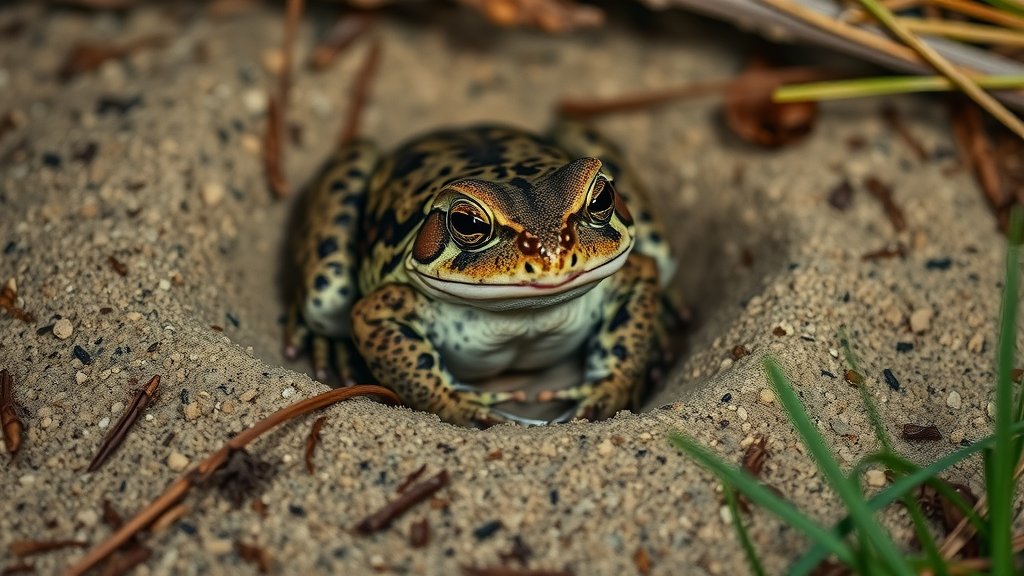
Dusky gopher frog in sandy burrow—endangered amphibian Detroit critical case

Gopher Frog: Habitat, Threats, and the Role of Detroit Zoological Society

The gopher frog and, more specifically, the dusky gopher frog are among the most endangered amphibians Detroit is striving to protect. These frogs require specialized sandy burrows—often made by other animals—for essential shelter. Urban sprawl has fragmented these habitats, leaving the frogs with nowhere safe to breed or hide.

Disease, particularly the deadly chytrid fungus, has decimated wild populations. The Detroit Zoological Society responds actively, leading amphibian conservation efforts through head-start programs: rescuing eggs from threatened environments, nurturing tadpoles in captivity, then releasing juvenile frogs into safer, restored habitats. Teamwork with agencies, scientists, and local volunteers is crucial—making every released frog a symbol of hope for Detroit’s wild neighbors.
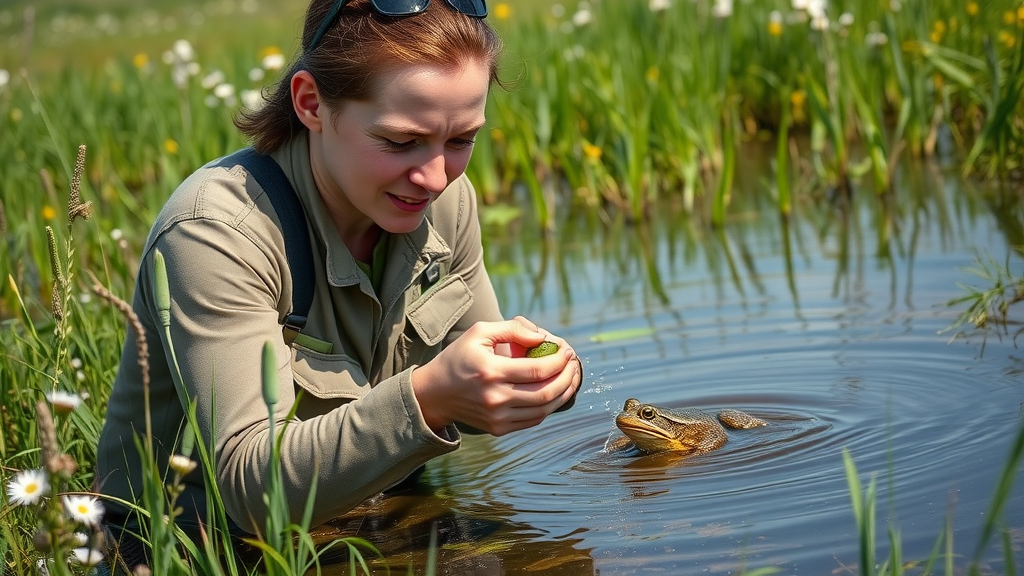
Conservation biologist releases captive-bred gopher frog—Detroit Zoological Society restoration

The Plight of the Dusky Gopher Frog in Regional Conservation

Regionally, the plight of the dusky gopher frog exemplifies the complexity of amphibian declines. Habitat connectivity, long-term monitoring, and broad public support are as vital as scientific intervention. The Detroit Zoological Society has become a central convenor, bringing together government, scientists, and non-profit organizations to tackle the challenge head-on.

Workshops, research presentations, and regular consultation help refine strategies that balance frog needs with regional development. The lessons learned are shared across Michigan and beyond, influencing amphibian conservation from local wetlands to national policies. Every successful transition of captive frogs into the wild marks a milestone in Detroit’s conservation legacy.

Conservationists discuss amphibian data—regional endangered species Detroit efforts

People Also Ask: Which Amphibians Are Endangered?

Detailed Answer: Most Endangered Amphibian Species in Detroit

Detroit is home to several amphibians facing critical threats. The most at-risk include the dusky gopher frog , gopher frogs , Wyoming toad , and the Puerto Rican crested toad . While not always native to Detroit, these species find refuge here through the work of the Detroit Zoological Society and partner organizations.

Some native species—like the blue-spotted salamander and the eastern newt—also suffer from pollution and habitat loss. Each species lost affects the food web, local pest control, and the future of research in pharmaceuticals and genetics. Without interventions, the list of endangered amphibians Detroit faces will only grow, placing the city’s environmental health and natural legacy in jeopardy.
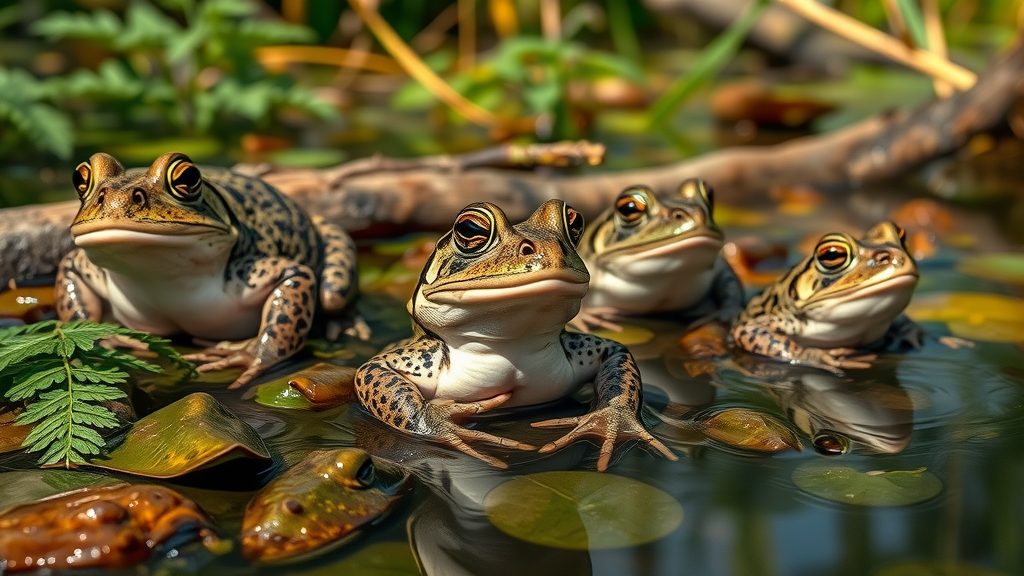
Close-up of endangered amphibians Detroit—Michigan marsh salamanders and frogs

People Also Ask: Does the Detroit Zoo Have Frogs?

Detailed Answer: Amphibian Exhibits at the Detroit Zoo and Their Conservation Impact

Absolutely! The Detroit Zoo is renowned for its amphibian collection, featuring one of the most advanced displays of threatened and endangered species anywhere. The National Amphibian Conservation Center immerses visitors in carefully recreated wetland habitats, showcasing everything from local tree frogs to critically endangered gopher frogs and dusky gopher frogs .

These exhibits are more than displays—they function as lifelines for rare species, where research, captive breeding, and public education unite. Every visitor inspired by a tree frog or enthralled by a salamander leaves the zoo more aware of the delicate interconnectedness of Detroit’s wildlife. The zoo’s conservation work ensures these amphibians won’t only be heard in stories but seen and heard in Detroit for generations.

Family watches frogs at Detroit Zoo exhibit—amphibian conservation Detroit

People Also Ask: Why Are So Many Amphibians Endangered?

Detailed Answer: Causes of Decline among Endangered Amphibians Detroit

Multiple, interconnected causes have led to the rapid decline of Detroit’s amphibian populations. Habitat loss due to urban development is the biggest culprit—wetlands have been drained, forests cut, and ponds polluted. Chemicals from pesticide and fertilizer runoff further poison waterways, as do industrial pollutants from the city’s active history.

Climate change has introduced new challenges, from altered rainfall patterns to increased disease outbreaks. The destructive chytrid fungus, carried inadvertently by international trade and travel, devastates native populations. These pressures combine in a perfect storm, making amphibians the most endangered vertebrate group both in Detroit and worldwide.

Polluted Detroit wetlands—threats facing endangered amphibians Detroit

People Also Ask: Did the Detroit Zoo Have Hippos?

Detailed Answer: Linking Past and Present Conservation at Detroit Zoological

While hippos once graced the Detroit Zoo, the zoo’s conservation focus has evolved substantially. Today, the priorities are on species that are acutely threatened in urban Michigan—like the endangered amphibians Detroit calls its own. The transition reflects an understanding that conservation must address immediate, local threats as well as global challenges.

The experience gained from caring for a range of animals, including hippos, strengthens the zoo’s ability to develop and run sophisticated rescue and breeding programs for amphibians. Commitment to present-day species ensures Detroit Zoo’s impact is felt both within city boundaries and far beyond.

How Belle Isle and the Isle Nature Center Contribute to Endangered Amphibians Detroit

Community Education through Belle Isle Nature Center

The Belle Isle Nature Center stands at the intersection of community engagement and scientific education. Through regular programs, workshops, and interactive displays, the center demystifies the world of amphibians for Detroiters of all ages. School children can track frog calls, participate in amphibian surveys, and learn the importance of wetland health.

Adults are drawn in through citizen science projects, lectures, and conservation events. These initiatives foster a sense of shared responsibility, turning casual visitors into empowered advocates. The more Detroiters understand about their endangered amphibians , the more likely they are to join local and national efforts for their preservation.

Habitat Restoration and Monitoring at Isle Nature

Restoring healthy amphibian habitats is one of the most effective forms of conservation. The Isle Nature Center, together with the Belle Isle Nature Center, organizes planting events, wetland cleanups, and long-term monitoring of frog and salamander populations. These efforts don’t just improve conditions for amphibians—they enhance ecosystem services such as water purification, flood reduction, and mosquito control.

By involving local residents in hands-on projects, these centers are creating living laboratories for scientific discovery and community pride. Every native plant installed, every pond reshaped, every frog counted adds to the legacy of amphibian conservation Detroit so desperately needs.

Protecting Endangered Amphibians Detroit: What You Can Do

  • Support local organizations such as Detroit Zoological Society —Donate, attend events, or spread the word.
  • Participate in monitoring programs at Belle Isle Nature Center —Citizen science can have real impact.
  • Reduce pesticide and fertilizer use —Help keep water sources safe for amphibians and all wildlife.
  • Advocate for amphibian conservation in Detroit —Contact local leaders, support green policies, and inspire others to act.

Active Detroit volunteers planting wetland vegetation—supporting endangered amphibians Detroit

Your individual action, however small, matters. By working together, Detroiters can ensure their city remains home to the bright calls of frogs and the mysterious slither of salamanders for generations. Whether you join a citizen science initiative or simply make your backyard more amphibian-friendly, every bit helps in the fight to protect endangered amphibians Detroit values so deeply.

Frequently Asked Questions about Endangered Amphibians Detroit

  • How can I volunteer for amphibian conservation in Detroit?
    You can join volunteering programs at the Detroit Zoo or partner with organizations like Belle Isle Nature Center. These programs may involve habitat restoration, community science, or leading educational tours that raise vital awareness about endangered amphibians Detroit faces.
  • Are there citizen science programs?
    Yes. Belle Isle Nature Center and Detroit Zoological Society coordinate citizen science initiatives such as amphibian monitoring and frog call counts. These programs give residents a chance to directly impact conservation practices and learn firsthand about local amphibian species.
  • What is the Detroit Zoo’s most endangered amphibian?
    The critically endangered dusky gopher frog is one of the rarest species at the Detroit Zoo, with intense efforts focused on captive breeding, education, and research. Participating in its care makes a significant impact on Detroit’s amphibian conservation.
  • How is climate change affecting amphibians in Detroit?
    Climate change causes habitat loss, changes in breeding cycles, and dramatically increases disease risk for amphibians. Detroit’s shifting weather patterns and unpredictable water levels have made survival even more challenging for its amphibian populations.

Key Takeaways for Endangered Amphibians Detroit

  • Urgency of amphibian conservation —Action is needed now to reverse steep declines in local populations.
  • The importance of public support —Detroiters make a difference through education, hands-on restoration, and vocal advocacy.
  • Direct actions Detroiters can take —Join local efforts, reduce harmful chemicals, and stay informed about the health of Detroit’s amphibians and natural areas.

Act Now: Stay On Top Of The Latest News And Events In Detroit

Eager to make a difference and protect endangered amphibians Detroit cares about? Stay On Top Of The Latest News And Events In Detroit – Click Here

The Detroit Zoological Society (DZS) is at the forefront of amphibian conservation, operating the National Amphibian Conservation Center, a state-of-the-art facility dedicated to the care and breeding of endangered species. Their efforts include the successful breeding and release of critically endangered species such as the dusky gopher frog and the Puerto Rican crested toad. For instance, in 2018, 25 dusky gopher frogs bred at the Detroit Zoo were released into their native habitat in Mississippi, marking a significant milestone in the species’ recovery efforts. ( dzs.detroitzoo.org ) Additionally, the DZS has contributed to the release of over 52,000 Puerto Rican crested toad tadpoles into the wild over the past decade, bolstering the population of this critically endangered amphibian. ( dzs.detroitzoo.org ) These initiatives underscore the DZS’s commitment to reversing the decline of endangered amphibians and preserving biodiversity.


The 313 Report

2 Views

0 Comments

Write A Comment

*
*
Related Posts All Posts
07.19.2025

Amphibian Species Protection In Detroit: Save Them Before It’s Late

Did you know that nearly 41% of amphibian species worldwide are at risk of extinction? Amphibian species protection in Detroit has become a critical issue as local frogs, newts, and salamanders face rapid decline. Without immediate action, Detroit’s wetlands—the lifeblood of these unique creatures—could fall silent forever. This article dives deep into the alarming trends, explains local conservation efforts, and shows you exactly how you can make a difference for Detroit’s most vulnerable wildlife. The Alarming Decline: Amphibian Species Protection in Detroit Needs Immediate Attention Amphibians have long been seen as indicators of environmental health, yet recently their declines have sounded alarms for biologists and citizens alike. Amphibian species protection in Detroit isn't just about saving frogs; it’s about preserving an entire ecosystem that supports biodiversity, clean water, and even our city’s cultural narrative. In the United States, amphibian loss is accelerating, with Detroit facing its own crisis due to habitat loss, pollution, and climate change. This threat isn't exclusive to our local environment—globally, amphibian declines have reached crisis levels. Urgent reports highlight that amphibians are disappearing much faster than birds or mammals, largely due to their sensitive skin and reliance on aquatic habitats. For Detroit and its surrounding marshlands, this means iconic species like striped newts, local salamanders, and frogs are now under siege. With over 40% of amphibians threatened globally and Detroit’s population mirroring this decline, the city serves as a critical battleground for conservation success. Startling Statistics – Amphibian Loss in Detroit and Worldwide Statistics highlight the gravity of the crisis: the World Conservation Union lists thousands of amphibian species as endangered, vulnerable, or critically endangered. Recent Michigan Department of Natural Resources assessments show significant drops in amphibian sightings, especially around Detroit, where urban expansion fragments habitats. Locally, key species like the striped newt and native salamanders have seen population dips of over 30% in just the last two decades, reflecting a dire need for robust amphibian species protection in Detroit. This decline isn’t unique to Michigan. Globally, researchers have found amphibians disappearing from protected areas, remote rainforests, and even highly managed conservation reserves. Climate change and disease—such as chytrid fungus—are compounding local threats of pollution and habitat loss, making the challenge exceptionally complex. Awareness of both the global and Detroit-specific trends is essential for anyone who cares about wildlife or healthy neighborhoods. What You Need to Know About Amphibian Species Protection in Detroit Understand the critical threats to amphibians in Detroit: Pollution, habitat loss, climate change, and disease pressure amphibian populations daily. Learn about the role of key organizations, including the Detroit Zoo and Detroit Zoological Society, in amphibian conservation: These leaders operate programs at the National Amphibian Conservation Center, championing research and restoration. Identify ways individuals can support endangered species and amphibian conservation efforts locally: From native plant gardening to supporting local wetland initiatives, there are tangible actions every resident can take. Amphibian species protection in Detroit involves numerous interconnected strategies including habitat restoration, public education, and community-driven monitoring efforts. Local institutions like the Detroit Zoological Society and the Detroit Zoo are uniquely positioned to educate residents, mobilize resources, and spearhead research. You, too, play a critical role as new citizen science and volunteer initiatives depend on constant public engagement. Who Is at Risk? Endangered Species and the Battle for Amphibian Conservation in Detroit The faces of Detroit’s amphibian crisis include several highly vulnerable species. Endangered species such as the striped newt and local salamanders are at the epicenter, but frogs and toads have also seen significant regional declines. National concern for the gopher frog and Puerto Rican crested toad mirrors the plight of Detroit’s native amphibians. The interdependence of these species on healthy wetlands makes their loss an early warning for our city’s environmental health. Recent monitoring by the Detroit Zoological Society has highlighted few breeding sites that reliably support striped newts and native salamanders, underlining just how precarious their status has become. The disappearance of just one breeding pond could mean local extinction, with cascading effects for other wildlife, water quality, and even urban flood management. Protecting these endangered species is about more than just biodiversity; it’s about the future resilience of Detroit’s natural resources. Striped Newt, Salamanders, and Local Amphibian Species in Peril Striped newts, with their distinctive markings and crucial roles in controlling insect populations, are among Detroit’s most threatened amphibians. Their presence ensures a balance in local ecosystems, yet persistent threats like polluted runoff and shrinking wetlands make their survival uncertain. As charismatic contributors to ecosystem health, their plight highlights the larger story of amphibian species protection in Detroit. Salamanders, too, are feeling the sting of environmental change. Once widespread, these species now struggle to breed successfully due to habitat fragmentation caused by road construction and suburban growth. With fewer safe breeding grounds, their numbers dwindle year after year. Protecting these vulnerable species requires focused conservation actions—like habitat connectivity projects and public education—supported by both science and community passion. The Detroit Zoo’s Crucial Role in Amphibian Conservation The modern era of amphibian conservation in Detroit centers on the Detroit Zoo and its partners’ innovative approaches. As one of the city’s most influential institutions, the Detroit Zoo has dedicated resources, expertise, and passion to safeguarding amphibians. Their commitment is showcased in specialized breeding programs, long-term population monitoring, and public engagement initiatives. From the renowned Detroit Zoological Society to the National Amphibian Conservation Center, these efforts shape Michigan’s strategy for amphibian species protection in Detroit and beyond. Notably, the Detroit Zoo’s amphibian conservation programs are internationally recognized—setting the standard for best practices in species reintroduction and habitat restoration. By connecting science, education, and citizen engagement, these programs offer hope for endangered species like the striped newt and inspire other conservation teams across the United States. Each success in the lab and field offers key lessons in the art and science of recovery. Detroit Zoological Society and the Amphibian Conservation Center The Detroit Zoological Society is deeply invested in local and global amphibian conservation. Their Amphibian Conservation Center, a flagship facility within the zoo, supports cutting-edge breeding, disease prevention research, and public awareness campaigns. Staff—often referred to as DZS staff—includes herpetologists, biologists, and educators, all dedicated to amplifying the impact of conservation efforts. Major partnerships with other organizations, including the Department of Natural Resources and local universities, accelerate research while providing meaningful volunteer roles for residents. The Detroit Zoological Society also actively supports national programs for threatened amphibians like the Wyoming toad and Puerto Rican crested toad, ensuring that knowledge gained here benefits other endangered species throughout North America. National Amphibian Conservation Center: Detroit’s Hub for Endangered Species Research The National Amphibian Conservation Center at the Detroit Zoo is recognized as a leader in amphibian care, research, and reintroduction. The facility houses dozens of threatened species—such as the golden frog, crested toad, and of course, the local striped newt—and facilitates vital research on life cycles, disease resistance, and habitat needs. This hub is where amphibian conservation strategies are developed, tested, and perfected in collaboration with worldwide partners. Through this world-class conservation center, Detroit is making a measurable difference for endangered species. The Center’s efforts have led to successful releases of locally extinct amphibians into Detroit wetlands, offering real hope for the trajectory of amphibian species protection in Detroit. These victories are making headlines and serving as inspiration for conservationists from coast to coast. "If we fail to act, these unique species may vanish from our ecosystem forever." – Conservation Specialist, Detroit Zoo Threats Facing Amphibian Species Protection in Detroit Amphibian species protection in Detroit faces a daunting array of threats. Pollution, habitat loss, and rapidly shifting climate conditions pose the gravest risks, amplified by urban expansion and unsustainable land use. With Detroit’s marshes and forests under pressure from development and industry, the delicate balance that amphibians need is easily upset. Runoff from roads and residential areas introduces pesticides and heavy metals, impacting sensitive amphibian skin and reproductive cycles. The destruction of breeding habitats—vernal pools, forested wetlands, and ponds—fragments amphibian populations, making it harder for them to find mates and escape predators. At the same time, climate change alters rainfall patterns and temperature, challenging amphibians’ survival even further. Collectively, these threats demonstrate why immediate and coordinated action is essential to secure a future for amphibians in Detroit and throughout Michigan. Pollution, Habitat Loss, and Climate Change Impact Pollution in Detroit’s waterways is a silent killer for amphibians. Amphibians breathe and absorb moisture through their skin, so contaminants have an outsize effect. Toxins from suburban lawns, industrial discharges, and discarded waste can kill eggs, cause deformities, or make entire breeding ponds unusable. Habitat loss is just as concerning—wetlands drained for construction don’t just disappear for amphibians; they disrupt the entire natural resource web that Detroit relies on. Climate change only sharpens these dangers. Increased frequency of droughts, unpredictable temperature swings, and the proliferation of new diseases—such as chytridiomycosis—further stress amphibian populations. Without robust amphibian species protection in Detroit, local extinctions will become the rule rather than the exception. It is vital for residents to recognize these threats and partner with organizations before the trends become irreversible. How the Detroit Zoological Society Empowers Amphibian Conservation The Detroit Zoological Society is more than a caretaker—it’s a catalyst for meaningful conservation in Detroit. By combining research, education, and grassroots engagement, the DZS fosters a citywide stewardship ethic. Community-based programs are at the core of their strategy, inviting Detroiters from every background to help restore natural habitats, monitor amphibian populations, and build advocacy for local policies that prioritize endangered species. Key projects include amphibian rescue operations, citizen science data collection, and innovative habitat restoration initiatives in public parks and nature reserves. The DZS collaborates with schools, neighborhood groups, and even business organizations to maximize its reach and impact. Their approach transforms ordinary residents into active conservationists and ensures that amphibian species protection in Detroit isn’t just an institutional responsibility, but a citywide cause. Community Initiatives Led by the Detroit Zoological Society Community engagement drives success stories at the Detroit Zoological Society. Educational events, like “Wetlands Day” and “Amphibian Ambassadors,” bring residents face to face with live amphibians while raising awareness about conservation needs. Volunteers help to plant native vegetation, clean up local waterways, and build amphibian-friendly habitats throughout Detroit’s neighborhoods. These programs reflect the core belief that every Detroiter can be a steward for local wildlife. Whether it’s joining a restoration workday or participating in an annual amphibian count, each person’s involvement directly supports the mission of amphibian species protection in Detroit. By embedding conservation into everyday life, the DZS and its partners help ensure the survival of cherished species and instill a deep respect for Detroit’s natural legacy. "Community engagement is the heart of conservation success in Detroit." – Local Activist Your Role in Amphibian Species Protection in Detroit Every Detroit resident has a part to play in amphibian species protection in Detroit. You don’t need a biology degree or professional credentials—just a willingness to act. Simple steps like reducing household chemical use can help keep waterways clean for frogs and toads. Planting a native garden, supporting local wetland conservation groups, or attending educational events at the Detroit Zoo all contribute significantly to the cause. Your choices make a collective impact. Detroit residents are increasingly coming together to advocate for native species protection and to urge public officials to prioritize environmental stewardship. As the threat to local amphibians grows, every voice and every action—from making donations to joining a conservation center event—becomes critical to the survival of endangered species in our city. Simple Actions Detroit Residents Can Take to Support Endangered Species Native plant gardening for habitat support Supporting wetland protection programs Joining conservation center events Advocating for local policy change Incorporate native plants like milkweed and goldenrod into your yard to provide shelter for amphibians and other wildlife. Get involved in wetland clean-up days or community science projects to monitor amphibian populations. Consider writing to local officials in support of stronger environmental protections or attending events at the National Amphibian Conservation Center to learn and network with fellow conservationists. Together, Detroiters can shape a future where amphibians thrive alongside us. Success Stories in Amphibian Conservation: Learning from the Detroit Zoo’s Striped Newt Program The Detroit Zoo’s striped newt program demonstrates that local action yields real results. After years of research, breeding, and ecosystem restoration, dozens of striped newts that had vanished from area wetlands are now being reintroduced to their natural habitats. This collaborative triumph belongs equally to the zoo’s dedicated staff, conservation partners, and the hundreds of Detroiters who support their work through fundraising and volunteering. Rewilding projects like this provide a model for other endangered species, showing how persistent efforts can reverse declines and restore ecological balance. The lessons learned—from disease management to habitat reconstruction—will drive amphibian conservation for years to come in Detroit and beyond. Detroit Amphibian Conservation Status Endangered Species Key Threats Detroit Zoo Involvement Extremely Vulnerable Striped Newt Habitat Loss, Pollution Breeding & Reintroduction Program At Risk Salamanders Pond Fragmentation, Disease Habitat Restoration, Monitoring Declining Local Frogs and Toads Climate Change, Pesticide Runoff Citizen Science Education People Also Ask: How to Help Endangered Amphibians? You can volunteer with organizations like the Detroit Zoo, raise awareness, make donations, and adopt sustainable practices to minimize harm to local habitats. Amphibian species protection in Detroit depends on direct community involvement. People Also Ask: Are There Polar Bears in Detroit? Yes, the Detroit Zoo is home to several polar bears, but the focus of this article is on amphibian species protection in Detroit and the critical needs these native creatures face. People Also Ask: Are Any Amphibians Keystone Species? Many amphibians, such as certain salamanders, act as keystone species by supporting ecosystem balance. Their loss would drastically affect insect populations, water quality, and biodiversity in Detroit. People Also Ask: What Percent of Amphibian Species Are Threatened? Nearly 41% of all amphibian species globally are at risk of extinction, highlighting the urgent need for amphibian species protection in Detroit and beyond. FAQs on Amphibian Species Protection in Detroit What is an amphibian conservation center? An amphibian conservation center is a specialized facility dedicated to breeding, caring for, and researching amphibians at risk of extinction. Detroit’s own National Amphibian Conservation Center leads efforts in research, education, and species reintroduction, playing a critical role in local amphibian conservation. How does habitat restoration benefit amphibian species protection in Detroit? Restoring wetlands and natural habitats increases breeding opportunities, improves water quality, and connects fragmented populations. These efforts directly support endangered species by ensuring their basic needs are met and their populations can recover. Can climate change reversal help local amphibian species? Yes. By reducing citywide emissions and supporting renewable energy, Detroit can mitigate climate-related stress on amphibians. Climate change reversal improves breeding conditions, disease resistance, and the long-term survival of vulnerable species. What is the role of Detroit residents in the conservation effort? Detroit residents are vital to amphibian species protection. Through volunteering, advocacy, responsible gardening, and community science, locals provide crucial support that amplifies the work of the Detroit Zoological Society and other conservation partners. Emerging Opportunities for Amphibian Conservation in Detroit In the spirit of optimism, Detroit’s conservation community is rolling out new programs to expand amphibian protection. Upcoming workshops at the National Amphibian Conservation Center will introduce families to local amphibians and inspire the next generation of wildlife guardians. Continued collaboration between the Detroit Zoo, DZS staff, schools, and the Department of Natural Resources is rapidly strengthening Detroit’s conservation ecosystem. Educational outreach, hands-on conservation days, and advanced habitat restoration projects are actively recruiting volunteers. By engaging in these initiatives, residents can help ensure amphibian species are not just surviving, but thriving, in Metro Detroit’s future. Upcoming Programs at the National Amphibian Conservation Center Highlights for this year include interactive summer camps, amphibian rescue workshops, and citizen science initiatives for all ages. Visit the National Amphibian Conservation Center’s website for up-to-date event schedules or subscribe to Detroit Daily Buzz for regular updates. Your involvement, whether as a volunteer, donor, or partner, is what drives these programs forward—building capacity for amphibian species protection in Detroit for generations to come. Key Takeaways on the State of Amphibian Species Protection in Detroit Detroit’s amphibian community faces critical threats The Detroit Zoo and its partners are spearheading conservation Immediate action from individuals and communities is vital for the survival of local species Take Action Today for Amphibian Species Protection in Detroit "Every voice and every action counts. Detroit can become a national model for amphibian conservation." – Detroit Zoological Society Director Moving Forward: Join the Detroit Community to Drive Amphibian Species Protection Stay On Top Of The Latest News And Events In Detroit Click Here – https://detroitdailybuzz.com/signup The Detroit Zoological Society (DZS) is at the forefront of amphibian conservation efforts in Detroit. Their National Amphibian Conservation Center, often referred to as “Amphibiville,” is a state-of-the-art facility dedicated to the care, research, and breeding of various amphibian species. This center has been instrumental in breeding and reintroducing critically endangered species such as the Puerto Rican crested toad and the Wyoming toad into their natural habitats. ( dzs.detroitzoo.org ) In addition to breeding programs, the DZS actively monitors local amphibian populations. Since 2006, they have been tracking mudpuppies in the Detroit River to assess population health and water quality, providing valuable data on the ecosystem’s status. ( dzs.detroitzoo.org ) Community involvement is also a key component of their conservation strategy. Through initiatives like FrogWatch USA, the DZS trains citizen scientists to identify and monitor local frog and toad populations by their calls. This program not only aids in data collection but also raises public awareness about the importance of amphibians in the ecosystem. ( dzs.detroitzoo.org ) The Michigan Department of Natural Resources (DNR) plays a crucial role in protecting amphibian species within the state. They maintain a list of threatened and endangered species, including several amphibians native to Michigan. For instance, the marbled salamander and the small-mouthed salamander are listed as endangered, while Blanchard’s cricket frog is classified as threatened. These designations help prioritize conservation efforts and allocate resources effectively. ( michigan.gov ) Another significant player in local conservation is the Michigan Amphibian and Reptile Conservancy (MARC). This nonprofit organization focuses on the protection and management of amphibians and reptiles in Michigan and the Great Lakes region. MARC’s goals include providing education and training, promoting habitat protection, conducting biological research, and developing headstarting projects to restore ecosystem function. ( miarc.org ) Collectively, these organizations and initiatives underscore the importance of amphibian conservation in Detroit. Through dedicated research, community engagement, and habitat protection, they strive to ensure the survival of these vital species and the health of the ecosystems they inhabit.

07.18.2025

Detroit Regional Chamber Shocks With Early 2026 Governor Endorsement

Fewer than 10% of state business groups make candidate endorsements this early in a race. That’s what makes the Detroit Regional Chamber’s recent maneuver so jaw-dropping: with more than two years before ballots are cast, the powerful chamber PAC has put its weight behind one gubernatorial hopeful, jolting the traditional Michigan political playbook. In this article, we’ll reveal why this precedent-shattering endorsement matters, dig into its details, examine winner and loser scenarios, and explore how it could permanently alter the state’s business and political balance. Michigan’s Political Playbook Upended: Detroit Regional Chamber Makes a Very Early Endorsement in 2026 Governor's Race The announcement that the Detroit Regional Chamber makes a very early endorsement in 2026 governor's race is not just a local headline—it’s a tectonic shift for the state’s political landscape. Traditionally, regional chamber political action committees ( chamber PAC ) keep their cards close to their chest until after party primaries are settled. This time, the Detroit Regional Chamber has jumped the line, signaling escalating frustrations over the inability of our political parties to find common ground and move Michigan forward. By moving this soon, the chamber and businesses it represents hope to shape the field long before the general election frenzy consumes the headlines. In practical terms, early moves like this change how candidates fundraise, sharpen their public messages, and even how they strategize to bring people together to work toward common goals. The effect ripples through the business and government career tracks of those eyeing statewide office. With key employers and top donors now given a clear signal about which flag to rally around, the old recipe for waiting-and-seeing is suddenly obsolete. As organizations, donors, and other regional chamber groups observe this bold move, the pathway for future endorsements may be changed for good. Why the Detroit Regional Chamber’s Early Nod Is Raising Eyebrows Across the State The Chamber’s action committee has rarely acted with such urgency. Their premature endorsement sends shockwaves for several reasons. First, making a pick before the full field of candidates is even set undermines the traditional cautious approach favored by many business-oriented PACs. In a political environment where parties struggle to find common ground, the Detroit Regional Chamber's move may be a response to stakeholders growing increasingly concerned about the inability of our political parties to work toward common goals. “Fewer than 10% of state business groups typically make candidate endorsements this early in the race.” Second, this early support comes at a time when many in the business and government communities are calling for more stability and consistent leadership. By signaling support for a candidate now, the regional chamber hopes to set the tone for Michigan’s future, encouraging other political action committees—and possibly even voters—to consider what’s at stake in advance. Finally, this bold move reflects the Detroit Regional Chamber’s intent to anchor Michigan forward—to bring people and parties together to find solutions amid the perceived gridlock of state politics. It’s not just about backing a candidate; it’s a call to action. Breaking Down the Detroit Regional Chamber PAC’s Endorsement: Key Facts and What You Should Know Before diving into the motivation behind this headline-making endorsement, it’s crucial to understand the who, what, and why of the decision—and how it fits within the Chamber’s recent political action committee history. The chamber PAC has traditionally operated with caution, waiting until the general election was near before picking a side. Yet, by putting their resources behind a candidate this early, the Detroit Regional Chamber is clearly signaling their urgency to move Michigan forward. Here are the essential questions you should know: Comparative Timeline of Detroit Regional Chamber Elections Endorsements: Past vs. 2026 Election Year Endorsement Timing Candidate Endorsed Statewide Impact 2018 June (after primaries) Gretchen Whitmer Moderate 2022 July (closer to general election) Incumbent Favoritism Moderate to Strong 2026 March (over 2 years before election) Mike Duggan Potentially Transformative Who is the Detroit Regional Chamber supporting? – Current Detroit mayor, Mike Duggan. How does this compare to past endorsement strategies? – Historically, the Chamber has held its endorsement until after primary fields were set. Why so early in the 2026 governor's race? – To set the agenda, signal priorities early, and possibly steer other donors. Mike Duggan: The 2026 Race and the Chamber’s Bet on Detroit Regional Leadership The chamber PAC’s endorsement spotlights Mike Duggan , a trailblazer whose business and government career has crossed several decades. As Detroit mayor, Duggan has proven he can rally parties to find common ground and move Michigan forward—essential skills in today’s divisive climate. By shining the spotlight on Duggan, the Detroit Regional Chamber isn’t just voicing preference; it’s speaking to the desire for pragmatic, results-oriented leadership that aligns with both business and civic priorities. This endorsement suggests a calculated bet on leadership continuity. The chamber and businesses in the region know that Duggan’s style of bringing people together to work toward common goals has yielded positive results for Detroit. Now, they hope that same magic can be scaled statewide, benefiting not only their members but also the broader base of Michigan workers and voters. It’s a gamble—early bets always are—but one that underscores their commitment to reshaping the political parties’ narrative in 2026. How Mike Duggan’s Reputation Influences the Regional Chamber’s 2026 Endorsement Decision The decision to back Duggan so soon comes down to track record. Mike Duggan has proven that he can work with diverse stakeholders, bridge ideological divides, and push Michigan forward even when parties hesitate. Chamber leaders are growing increasingly concerned about the inability of our political parties to respond decisively to pressing economic and social challenges; Duggan’s model for pragmatic leadership offers an antidote. Across two mayoral terms, Duggan has deftly navigated Detroit’s notoriously complicated business and government environment. His ability to mobilize action and find common ground stands out, especially as the state faces calls for modernization, infrastructure renewal, and workforce development. Ultimately, the chamber PAC sees Duggan as a safe—and potentially game-changing—bet who may galvanize both business and labor interests behind a unified vision. Potential Ripple Effects: How Detroit Regional Chamber’s Move May Shape the 2026 Governor's Race The impact of this early endorsement won’t stop at a headline or a press release. By tapping a candidate with a business and government career as rich as Duggan’s, the Detroit Regional Chamber makes a very early endorsement in 2026 governor's race that could tip donor behavior, sway undecided party activists, and reset the expectations on how business groups engage in political races. Other action committees—watching closely—may be emboldened to move Michigan forward in similar fashion with their own early declarations. As this domino falls, it’s not just campaign professionals who are taking note. Statewide employers, labor organizations, and community groups will likely weigh whether aligning with the chamber’s early favorite is a prudent move or risky business. Meanwhile, rival candidates may be forced to recalibrate their strategies, either to counter Duggan’s early momentum or double down on alternative networks outside the regional chamber’s reach. Impacts on Voters, Donors, and Michigan’s Party Machines The most immediate beneficiaries—or casualties—of the chamber’s play are donors and voters. Political action committee donations tend to follow signals from major groups, and the chamber PAC’s assertiveness sends a message to potential backers not to wait on the sidelines. Grassroots party activists, meanwhile, may see early endorsements as a challenge to the primacy of internal party processes. If the chamber and businesses coalesce early, the traditional role of party brokering is diminished. Michigan’s party machines, both Democratic and Republican, now face unsolicited pressure to rally behind or reposition against the business community’s choice. For voters, the endorsement offers clarity and a concrete option much sooner than usual, but also compresses the window for evaluating all possible candidates. These ripple effects promise to reshape not just the upcoming race but the mechanics of future statewide contests in Michigan and beyond. Dissent and Excitement: Public, Political, and Business Community Reactions to Detroit Regional Chamber's Early Endorsement The business community has not universally applauded the chamber PAC’s historic move. Some see it as a necessary jolt to move Michigan forward , especially amid concerns that political parties are unable to bridge their differences. Others raise questions about whether such centralized endorsements undercut the democratic process, narrowing the field of valid choices before voters and stakeholders have spoken. Political observers note a palpable sense of excitement as well—particularly among Duggan supporters. Early endorsements can create a wave of momentum. But not everyone in Detroit agrees with the chamber’s approach; some believe in letting the full field of candidates be heard before bestowing so much visibility on a single front-runner. Across social media, you’ll find both delight and dissent as voters weigh in on the meaning and implications of this landmark action. “The chamber PAC’s move disrupts expectations and adds intrigue to an already unpredictable race for Michigan’s top leadership.” The Pros and Cons of Very Early Endorsements in State Races: Lessons From the Detroit Regional Chamber As we analyze why the Detroit Regional Chamber makes a very early endorsement in the 2026 governor's race, the advantages and challenges are clear. Early endorsements can bolster a candidate, signaling to donors and activists which way the wind is blowing. However, endorsing so prematurely runs the risk of alienating those who might have preferred a more deliberative process—or a different champion entirely. Advantages of early political endorsements – Provide early clarity for donors, galvanize campaign volunteers, steer media narratives, and can potentially rally business and government interests behind common ground and move Michigan forward initiatives. Risks and drawbacks for organizations and candidates – Can stifle debate in a crowded field, alienate stakeholders unaware of internal decision-making, and risk backing a candidate who may falter long before the general election. Reactions from previous races involving regional chambers – History shows that such moves sometimes unify the business lobby—but can also trigger unexpected backlash from grassroots activists or political parties to find common ground. What This Means for Detroit’s Business Community and Policy Priorities As the Detroit Regional Chamber makes a very early endorsement in 2026 governor's race, the implications for Detroit’s business community are profound. The endorsement places the Chamber’s policy agenda—focusing on economic development, infrastructure, and inclusive job creation—front and center. Businesses eager for a stable environment and predictable policy may find reassurance; yet others worry about unintended consequences of taking sides before knowing the whole field. Detroit Regional Chamber’s Policy Agenda: Will the Endorsement Help or Hurt? History suggests chamber PACs can help shape debate by picking candidates with proven ability to bring people and political parties together to work toward common goals. Yet, if other major donors or industry groups disagree, early endorsements can lead to fragmentation—splintering the once unified front the chamber and businesses have strived for. The push-and-pull between agenda advancement and blowback is real. Comparing Detroit Regional Chamber’s Early 2026 Endorsement to Other Notable Chamber PAC Moves Nationwide The Detroit Regional Chamber makes a very early endorsement in 2026 governor's race, but it’s not alone in testing new ground. Let’s see how this move compares with other regional chamber actions across the US. Timeline: Early Endorsements by Major Regional Chambers Across the US Regional Chamber State Year Endorsement Timing Result Detroit Regional Chamber Michigan 2026 27 months before election Pivotal race, high media attention Atlanta Metro Chamber Georgia 2018 6 months before election Divided impact, split donors Greater Houston Partnership Texas 2022 4 months before election Candidate victory, strong coalition Bay Area Council California 2022 5 months before election Short-term gain, long-term policy feud Will Detroit Regional Chamber’s Endorsement Sway the 2026 Governor's Race? Final Thoughts & Expert Predictions The coming months will test whether the chamber PAC’s strategy of acting early proves visionary or premature. Much will depend on whether Duggan can maintain momentum and if rival candidates can quickly find common ground or mount a compelling alternative for business and government stakeholders. Michigan forward may look very different if visionaries like Duggan and the chamber succeed in reshaping what’s possible. Key Takeaways for Voters, Businesses, and Political Insiders For voters, early endorsements cut through campaign noise but might narrow choice; for businesses, they offer a potential ally with an inside track to Lansing; and for political insiders, they realign how campaigns match up funding, coalition-building, and long-term influence on the state’s future. People Also Ask: Detroit Regional Chamber's Early 2026 Endorsement What is the Detroit Regional Chamber and why is its endorsement significant? Answer: The Detroit Regional Chamber is one of Michigan’s largest and most influential business organizations. Its endorsement provides candidates with credibility, campaign resources, and broad visibility among the state’s leading employers. Has the Detroit Regional Chamber made early endorsements before? Answer: Historically, the chamber PAC has been more reserved, typically endorsing closer to the general election. The 2026 move is unusually early and signals shifting priorities or a desire to set the agenda. “Early endorsements can seem risky, but in a crowded field, staking a claim early can make all the difference.” Stay Informed: Get the Latest on Detroit Regional Chamber and Michigan’s 2026 Governor's Race Stay On Top Of The Latest News And Events In Detroit Click Here What You'll Learn From This Article: How the Detroit Regional Chamber’s early endorsement redefines Michigan’s political dynamics. Background on chamber PAC strategies and their impact on state races. Insights on Mike Duggan's candidacy and the Chamber’s alignment with regional leadership. Potential pros, cons, and ripple effects for voters, donors, and political parties. What this unique scenario could mean for future business and policy priorities across Michigan and the U.S. Conclusion: What’s Next? Action Steps for Engaged Michiganders Monitor the chamber PAC’s influence, stay critical of emerging candidates, and participate early—these moves will shape Michigan’s 2026 governor’s race and the future of statewide leadership. The Detroit Regional Chamber’s recent endorsement of Detroit Mayor Mike Duggan for the 2026 Michigan gubernatorial race marks a significant departure from traditional political timelines. This early backing underscores the Chamber’s confidence in Duggan’s leadership and its desire to influence the state’s political landscape proactively. For a comprehensive understanding of this development, consider reading the Detroit Regional Chamber’s official announcement titled “Detroit Regional Chamber PAC Endorses Mike Duggan and His Ground-breaking Run as an Independent for Michigan Governor.” This article provides detailed insights into the Chamber’s decision-making process and the implications of endorsing an independent candidate. ( detroitchamber.com ) Additionally, the Michigan Advance article “Duggan nets gubernatorial endorsement from Detroit Regional Chamber” offers an in-depth analysis of the endorsement’s potential impact on Michigan’s political dynamics and voter sentiment. ( michiganadvance.com ) Exploring these resources will provide a well-rounded perspective on the Chamber’s unprecedented move and its significance in the upcoming gubernatorial race.

Terms of Service

Privacy Policy

Core Modal Title

Sorry, no results found

You Might Find These Articles Interesting

T
Please Check Your Email
We Will Be Following Up Shortly
*
*
*