 Add Row
  Add
Add 


Did you know that nearly 41% of amphibian species worldwide are at risk of extinction? Amphibian species protection in Detroit has become a critical issue as local frogs, newts, and salamanders face rapid decline. Without immediate action, Detroit’s wetlands—the lifeblood of these unique creatures—could fall silent forever. This article dives deep into the alarming trends, explains local conservation efforts, and shows you exactly how you can make a difference for Detroit’s most vulnerable wildlife.
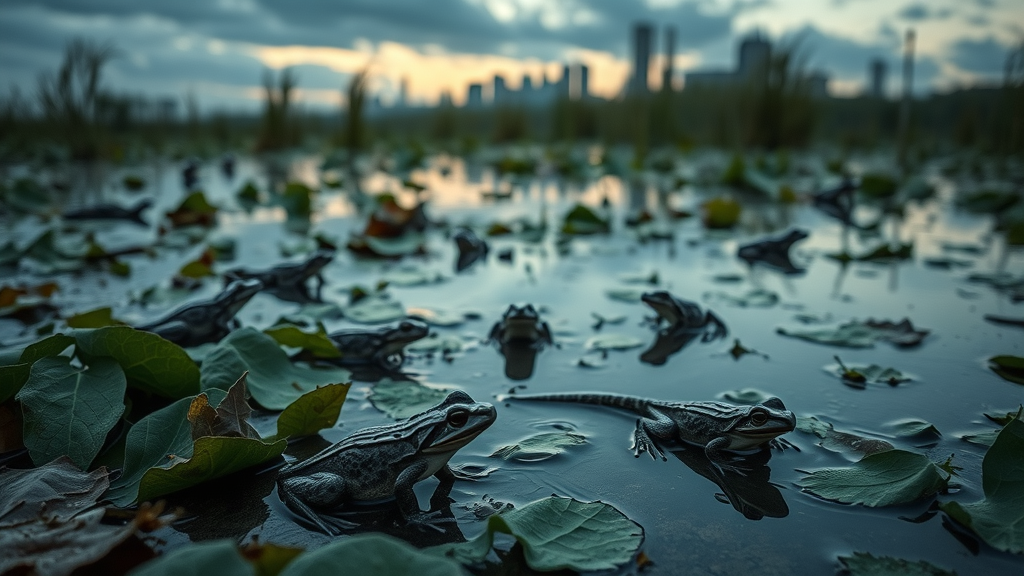
The Alarming Decline: Amphibian Species Protection in Detroit Needs Immediate Attention
Amphibians have long been seen as indicators of environmental health, yet recently their declines have sounded alarms for biologists and citizens alike. Amphibian species protection in Detroit isn't just about saving frogs; it’s about preserving an entire ecosystem that supports biodiversity, clean water, and even our city’s cultural narrative. In the United States, amphibian loss is accelerating, with Detroit facing its own crisis due to habitat loss, pollution, and climate change. This threat isn't exclusive to our local environment—globally, amphibian declines have reached crisis levels.
Urgent reports highlight that amphibians are disappearing much faster than birds or mammals, largely due to their sensitive skin and reliance on aquatic habitats. For Detroit and its surrounding marshlands, this means iconic species like striped newts, local salamanders, and frogs are now under siege. With over 40% of amphibians threatened globally and Detroit’s population mirroring this decline, the city serves as a critical battleground for conservation success.
Startling Statistics – Amphibian Loss in Detroit and Worldwide
Statistics highlight the gravity of the crisis: the World Conservation Union lists thousands of amphibian species as endangered, vulnerable, or critically endangered. Recent Michigan Department of Natural Resources assessments show significant drops in amphibian sightings, especially around Detroit, where urban expansion fragments habitats. Locally, key species like the striped newt and native salamanders have seen population dips of over 30% in just the last two decades, reflecting a dire need for robust amphibian species protection in Detroit.
This decline isn’t unique to Michigan. Globally, researchers have found amphibians disappearing from protected areas, remote rainforests, and even highly managed conservation reserves. Climate change and disease—such as chytrid fungus—are compounding local threats of pollution and habitat loss, making the challenge exceptionally complex. Awareness of both the global and Detroit-specific trends is essential for anyone who cares about wildlife or healthy neighborhoods.

What You Need to Know About Amphibian Species Protection in Detroit
- Understand the critical threats to amphibians in Detroit: Pollution, habitat loss, climate change, and disease pressure amphibian populations daily.
- Learn about the role of key organizations, including the Detroit Zoo and Detroit Zoological Society, in amphibian conservation: These leaders operate programs at the National Amphibian Conservation Center, championing research and restoration.
- Identify ways individuals can support endangered species and amphibian conservation efforts locally: From native plant gardening to supporting local wetland initiatives, there are tangible actions every resident can take.
Amphibian species protection in Detroit involves numerous interconnected strategies including habitat restoration, public education, and community-driven monitoring efforts. Local institutions like the Detroit Zoological Society and the Detroit Zoo are uniquely positioned to educate residents, mobilize resources, and spearhead research. You, too, play a critical role as new citizen science and volunteer initiatives depend on constant public engagement.

Who Is at Risk? Endangered Species and the Battle for Amphibian Conservation in Detroit
The faces of Detroit’s amphibian crisis include several highly vulnerable species. Endangered species such as the striped newt and local salamanders are at the epicenter, but frogs and toads have also seen significant regional declines. National concern for the gopher frog and Puerto Rican crested toad mirrors the plight of Detroit’s native amphibians. The interdependence of these species on healthy wetlands makes their loss an early warning for our city’s environmental health.
Recent monitoring by the Detroit Zoological Society has highlighted few breeding sites that reliably support striped newts and native salamanders, underlining just how precarious their status has become. The disappearance of just one breeding pond could mean local extinction, with cascading effects for other wildlife, water quality, and even urban flood management. Protecting these endangered species is about more than just biodiversity; it’s about the future resilience of Detroit’s natural resources.
Striped Newt, Salamanders, and Local Amphibian Species in Peril
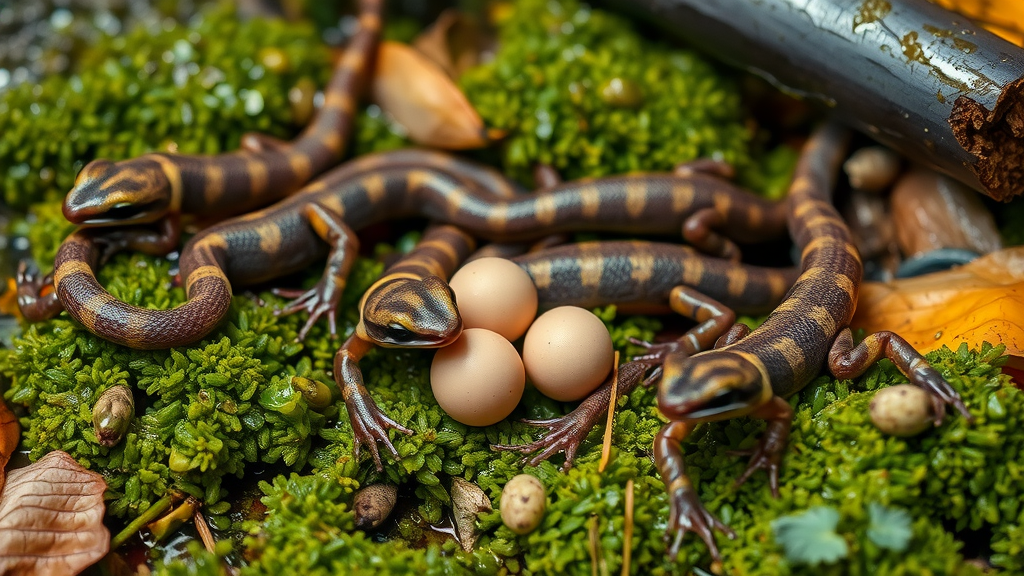
Striped newts, with their distinctive markings and crucial roles in controlling insect populations, are among Detroit’s most threatened amphibians. Their presence ensures a balance in local ecosystems, yet persistent threats like polluted runoff and shrinking wetlands make their survival uncertain. As charismatic contributors to ecosystem health, their plight highlights the larger story of amphibian species protection in Detroit.
Salamanders, too, are feeling the sting of environmental change. Once widespread, these species now struggle to breed successfully due to habitat fragmentation caused by road construction and suburban growth. With fewer safe breeding grounds, their numbers dwindle year after year. Protecting these vulnerable species requires focused conservation actions—like habitat connectivity projects and public education—supported by both science and community passion.
The Detroit Zoo’s Crucial Role in Amphibian Conservation
The modern era of amphibian conservation in Detroit centers on the Detroit Zoo and its partners’ innovative approaches. As one of the city’s most influential institutions, the Detroit Zoo has dedicated resources, expertise, and passion to safeguarding amphibians. Their commitment is showcased in specialized breeding programs, long-term population monitoring, and public engagement initiatives. From the renowned Detroit Zoological Society to the National Amphibian Conservation Center, these efforts shape Michigan’s strategy for amphibian species protection in Detroit and beyond.
Notably, the Detroit Zoo’s amphibian conservation programs are internationally recognized—setting the standard for best practices in species reintroduction and habitat restoration. By connecting science, education, and citizen engagement, these programs offer hope for endangered species like the striped newt and inspire other conservation teams across the United States. Each success in the lab and field offers key lessons in the art and science of recovery.
Detroit Zoological Society and the Amphibian Conservation Center
The Detroit Zoological Society is deeply invested in local and global amphibian conservation. Their Amphibian Conservation Center, a flagship facility within the zoo, supports cutting-edge breeding, disease prevention research, and public awareness campaigns. Staff—often referred to as DZS staff—includes herpetologists, biologists, and educators, all dedicated to amplifying the impact of conservation efforts.
Major partnerships with other organizations, including the Department of Natural Resources and local universities, accelerate research while providing meaningful volunteer roles for residents. The Detroit Zoological Society also actively supports national programs for threatened amphibians like the Wyoming toad and Puerto Rican crested toad, ensuring that knowledge gained here benefits other endangered species throughout North America.
National Amphibian Conservation Center: Detroit’s Hub for Endangered Species Research
The National Amphibian Conservation Center at the Detroit Zoo is recognized as a leader in amphibian care, research, and reintroduction. The facility houses dozens of threatened species—such as the golden frog, crested toad, and of course, the local striped newt—and facilitates vital research on life cycles, disease resistance, and habitat needs. This hub is where amphibian conservation strategies are developed, tested, and perfected in collaboration with worldwide partners.
Through this world-class conservation center, Detroit is making a measurable difference for endangered species. The Center’s efforts have led to successful releases of locally extinct amphibians into Detroit wetlands, offering real hope for the trajectory of amphibian species protection in Detroit. These victories are making headlines and serving as inspiration for conservationists from coast to coast.
"If we fail to act, these unique species may vanish from our ecosystem forever." – Conservation Specialist, Detroit Zoo
Threats Facing Amphibian Species Protection in Detroit
Amphibian species protection in Detroit faces a daunting array of threats. Pollution, habitat loss, and rapidly shifting climate conditions pose the gravest risks, amplified by urban expansion and unsustainable land use. With Detroit’s marshes and forests under pressure from development and industry, the delicate balance that amphibians need is easily upset. Runoff from roads and residential areas introduces pesticides and heavy metals, impacting sensitive amphibian skin and reproductive cycles.
The destruction of breeding habitats—vernal pools, forested wetlands, and ponds—fragments amphibian populations, making it harder for them to find mates and escape predators. At the same time, climate change alters rainfall patterns and temperature, challenging amphibians’ survival even further. Collectively, these threats demonstrate why immediate and coordinated action is essential to secure a future for amphibians in Detroit and throughout Michigan.
Pollution, Habitat Loss, and Climate Change Impact
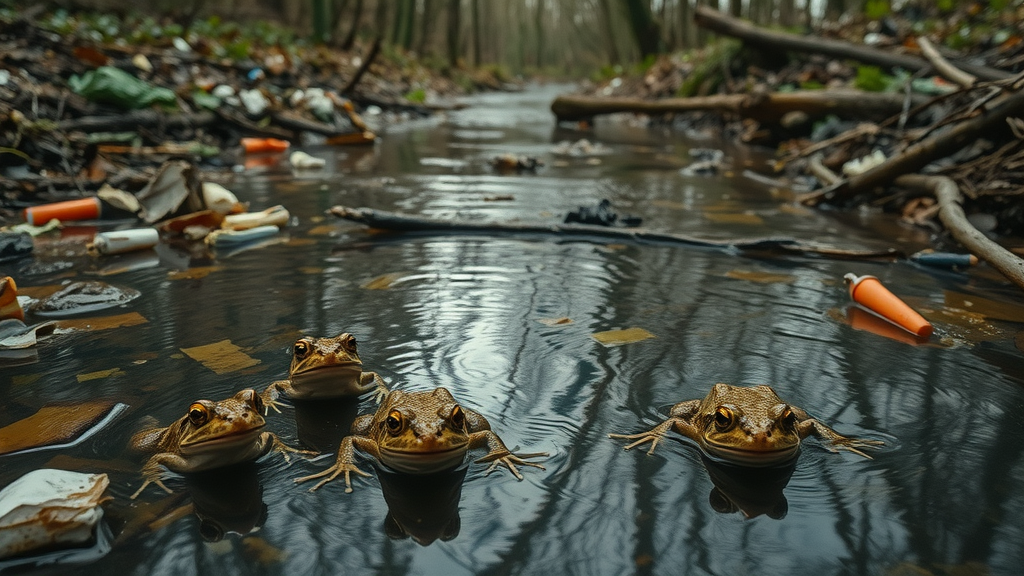
Pollution in Detroit’s waterways is a silent killer for amphibians. Amphibians breathe and absorb moisture through their skin, so contaminants have an outsize effect. Toxins from suburban lawns, industrial discharges, and discarded waste can kill eggs, cause deformities, or make entire breeding ponds unusable. Habitat loss is just as concerning—wetlands drained for construction don’t just disappear for amphibians; they disrupt the entire natural resource web that Detroit relies on.
Climate change only sharpens these dangers. Increased frequency of droughts, unpredictable temperature swings, and the proliferation of new diseases—such as chytridiomycosis—further stress amphibian populations. Without robust amphibian species protection in Detroit, local extinctions will become the rule rather than the exception. It is vital for residents to recognize these threats and partner with organizations before the trends become irreversible.
How the Detroit Zoological Society Empowers Amphibian Conservation
The Detroit Zoological Society is more than a caretaker—it’s a catalyst for meaningful conservation in Detroit. By combining research, education, and grassroots engagement, the DZS fosters a citywide stewardship ethic. Community-based programs are at the core of their strategy, inviting Detroiters from every background to help restore natural habitats, monitor amphibian populations, and build advocacy for local policies that prioritize endangered species.
Key projects include amphibian rescue operations, citizen science data collection, and innovative habitat restoration initiatives in public parks and nature reserves. The DZS collaborates with schools, neighborhood groups, and even business organizations to maximize its reach and impact. Their approach transforms ordinary residents into active conservationists and ensures that amphibian species protection in Detroit isn’t just an institutional responsibility, but a citywide cause.
Community Initiatives Led by the Detroit Zoological Society
Community engagement drives success stories at the Detroit Zoological Society. Educational events, like “Wetlands Day” and “Amphibian Ambassadors,” bring residents face to face with live amphibians while raising awareness about conservation needs. Volunteers help to plant native vegetation, clean up local waterways, and build amphibian-friendly habitats throughout Detroit’s neighborhoods. These programs reflect the core belief that every Detroiter can be a steward for local wildlife.
Whether it’s joining a restoration workday or participating in an annual amphibian count, each person’s involvement directly supports the mission of amphibian species protection in Detroit. By embedding conservation into everyday life, the DZS and its partners help ensure the survival of cherished species and instill a deep respect for Detroit’s natural legacy.

"Community engagement is the heart of conservation success in Detroit." – Local Activist
Your Role in Amphibian Species Protection in Detroit
Every Detroit resident has a part to play in amphibian species protection in Detroit. You don’t need a biology degree or professional credentials—just a willingness to act. Simple steps like reducing household chemical use can help keep waterways clean for frogs and toads. Planting a native garden, supporting local wetland conservation groups, or attending educational events at the Detroit Zoo all contribute significantly to the cause.
Your choices make a collective impact. Detroit residents are increasingly coming together to advocate for native species protection and to urge public officials to prioritize environmental stewardship. As the threat to local amphibians grows, every voice and every action—from making donations to joining a conservation center event—becomes critical to the survival of endangered species in our city.
Simple Actions Detroit Residents Can Take to Support Endangered Species
- Native plant gardening for habitat support
- Supporting wetland protection programs
- Joining conservation center events
- Advocating for local policy change
Incorporate native plants like milkweed and goldenrod into your yard to provide shelter for amphibians and other wildlife. Get involved in wetland clean-up days or community science projects to monitor amphibian populations. Consider writing to local officials in support of stronger environmental protections or attending events at the National Amphibian Conservation Center to learn and network with fellow conservationists. Together, Detroiters can shape a future where amphibians thrive alongside us.

Success Stories in Amphibian Conservation: Learning from the Detroit Zoo’s Striped Newt Program
The Detroit Zoo’s striped newt program demonstrates that local action yields real results. After years of research, breeding, and ecosystem restoration, dozens of striped newts that had vanished from area wetlands are now being reintroduced to their natural habitats. This collaborative triumph belongs equally to the zoo’s dedicated staff, conservation partners, and the hundreds of Detroiters who support their work through fundraising and volunteering.
Rewilding projects like this provide a model for other endangered species, showing how persistent efforts can reverse declines and restore ecological balance. The lessons learned—from disease management to habitat reconstruction—will drive amphibian conservation for years to come in Detroit and beyond.
| Detroit Amphibian Conservation Status | Endangered Species | Key Threats | Detroit Zoo Involvement |
|---|---|---|---|
| Extremely Vulnerable | Striped Newt | Habitat Loss, Pollution | Breeding & Reintroduction Program |
| At Risk | Salamanders | Pond Fragmentation, Disease | Habitat Restoration, Monitoring |
| Declining | Local Frogs and Toads | Climate Change, Pesticide Runoff | Citizen Science Education |
People Also Ask: How to Help Endangered Amphibians?
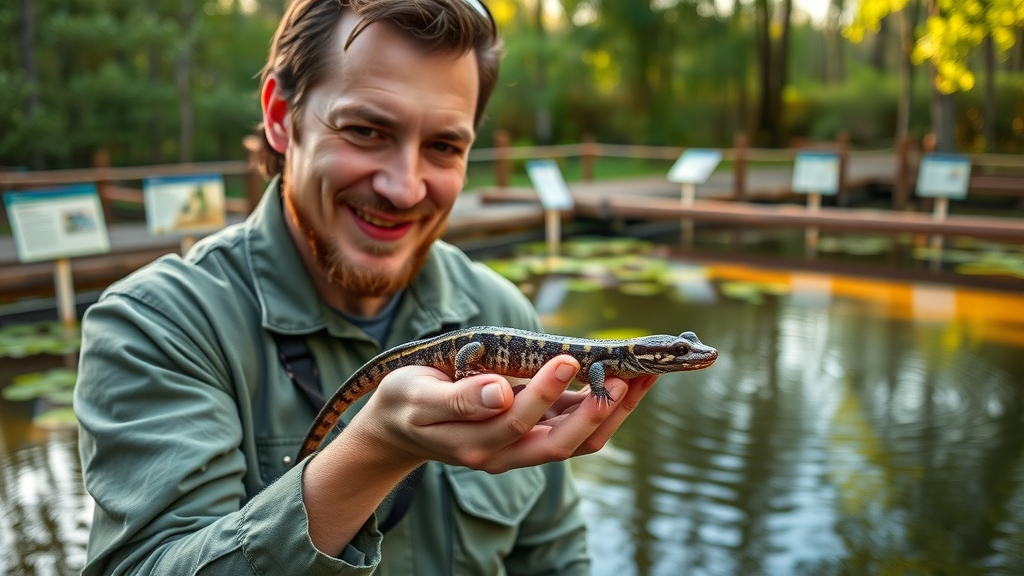
You can volunteer with organizations like the Detroit Zoo, raise awareness, make donations, and adopt sustainable practices to minimize harm to local habitats. Amphibian species protection in Detroit depends on direct community involvement.
People Also Ask: Are There Polar Bears in Detroit?
Yes, the Detroit Zoo is home to several polar bears, but the focus of this article is on amphibian species protection in Detroit and the critical needs these native creatures face.
People Also Ask: Are Any Amphibians Keystone Species?
Many amphibians, such as certain salamanders, act as keystone species by supporting ecosystem balance. Their loss would drastically affect insect populations, water quality, and biodiversity in Detroit.
People Also Ask: What Percent of Amphibian Species Are Threatened?
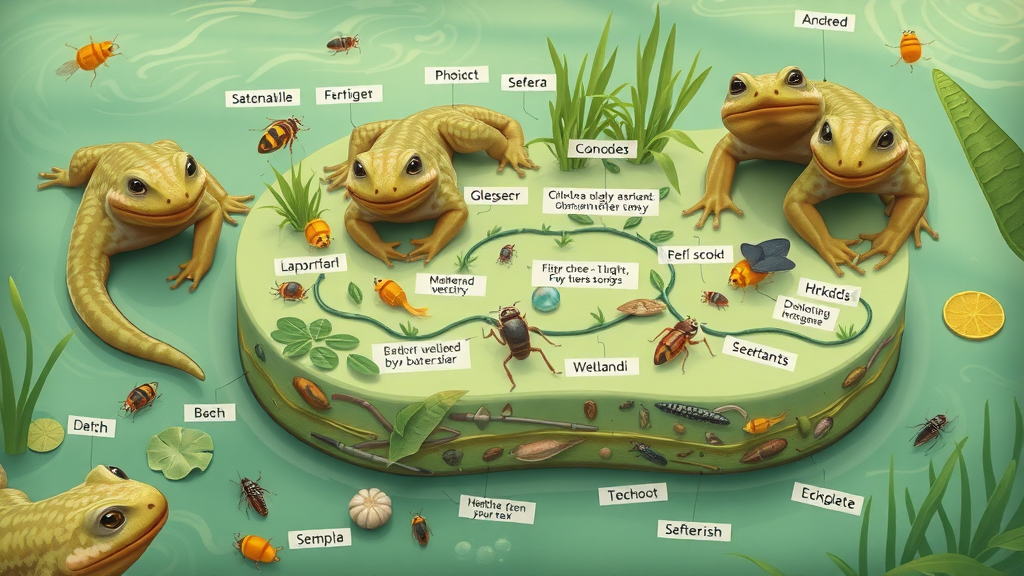
Nearly 41% of all amphibian species globally are at risk of extinction, highlighting the urgent need for amphibian species protection in Detroit and beyond.
FAQs on Amphibian Species Protection in Detroit
-
What is an amphibian conservation center?
An amphibian conservation center is a specialized facility dedicated to breeding, caring for, and researching amphibians at risk of extinction. Detroit’s own National Amphibian Conservation Center leads efforts in research, education, and species reintroduction, playing a critical role in local amphibian conservation. -
How does habitat restoration benefit amphibian species protection in Detroit?
Restoring wetlands and natural habitats increases breeding opportunities, improves water quality, and connects fragmented populations. These efforts directly support endangered species by ensuring their basic needs are met and their populations can recover. -
Can climate change reversal help local amphibian species?
Yes. By reducing citywide emissions and supporting renewable energy, Detroit can mitigate climate-related stress on amphibians. Climate change reversal improves breeding conditions, disease resistance, and the long-term survival of vulnerable species. -
What is the role of Detroit residents in the conservation effort?
Detroit residents are vital to amphibian species protection. Through volunteering, advocacy, responsible gardening, and community science, locals provide crucial support that amplifies the work of the Detroit Zoological Society and other conservation partners.
Emerging Opportunities for Amphibian Conservation in Detroit
In the spirit of optimism, Detroit’s conservation community is rolling out new programs to expand amphibian protection. Upcoming workshops at the National Amphibian Conservation Center will introduce families to local amphibians and inspire the next generation of wildlife guardians. Continued collaboration between the Detroit Zoo, DZS staff, schools, and the Department of Natural Resources is rapidly strengthening Detroit’s conservation ecosystem.
Educational outreach, hands-on conservation days, and advanced habitat restoration projects are actively recruiting volunteers. By engaging in these initiatives, residents can help ensure amphibian species are not just surviving, but thriving, in Metro Detroit’s future.
Upcoming Programs at the National Amphibian Conservation Center
Highlights for this year include interactive summer camps, amphibian rescue workshops, and citizen science initiatives for all ages. Visit the National Amphibian Conservation Center’s website for up-to-date event schedules or subscribe to Detroit Daily Buzz for regular updates. Your involvement, whether as a volunteer, donor, or partner, is what drives these programs forward—building capacity for amphibian species protection in Detroit for generations to come.

Key Takeaways on the State of Amphibian Species Protection in Detroit
- Detroit’s amphibian community faces critical threats
- The Detroit Zoo and its partners are spearheading conservation
- Immediate action from individuals and communities is vital for the survival of local species
Take Action Today for Amphibian Species Protection in Detroit
"Every voice and every action counts. Detroit can become a national model for amphibian conservation." – Detroit Zoological Society Director
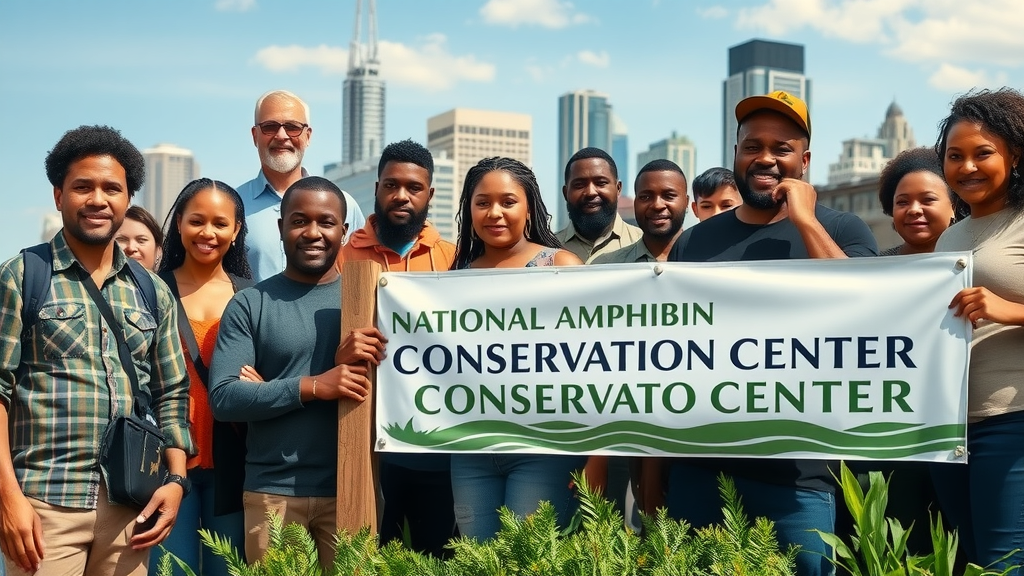
Moving Forward: Join the Detroit Community to Drive Amphibian Species Protection
Stay On Top Of The Latest News And Events In Detroit Click Here – https://detroitdailybuzz.com/signup
The Detroit Zoological Society (DZS) is at the forefront of amphibian conservation efforts in Detroit. Their National Amphibian Conservation Center, often referred to as “Amphibiville,” is a state-of-the-art facility dedicated to the care, research, and breeding of various amphibian species. This center has been instrumental in breeding and reintroducing critically endangered species such as the Puerto Rican crested toad and the Wyoming toad into their natural habitats. ( dzs.detroitzoo.org )
In addition to breeding programs, the DZS actively monitors local amphibian populations. Since 2006, they have been tracking mudpuppies in the Detroit River to assess population health and water quality, providing valuable data on the ecosystem’s status. ( dzs.detroitzoo.org )
Community involvement is also a key component of their conservation strategy. Through initiatives like FrogWatch USA, the DZS trains citizen scientists to identify and monitor local frog and toad populations by their calls. This program not only aids in data collection but also raises public awareness about the importance of amphibians in the ecosystem. ( dzs.detroitzoo.org )
The Michigan Department of Natural Resources (DNR) plays a crucial role in protecting amphibian species within the state. They maintain a list of threatened and endangered species, including several amphibians native to Michigan. For instance, the marbled salamander and the small-mouthed salamander are listed as endangered, while Blanchard’s cricket frog is classified as threatened. These designations help prioritize conservation efforts and allocate resources effectively. ( michigan.gov )
Another significant player in local conservation is the Michigan Amphibian and Reptile Conservancy (MARC). This nonprofit organization focuses on the protection and management of amphibians and reptiles in Michigan and the Great Lakes region. MARC’s goals include providing education and training, promoting habitat protection, conducting biological research, and developing headstarting projects to restore ecosystem function. ( miarc.org )
Collectively, these organizations and initiatives underscore the importance of amphibian conservation in Detroit. Through dedicated research, community engagement, and habitat protection, they strive to ensure the survival of these vital species and the health of the ecosystems they inhabit.



Write A Comment